Camera
Mirrorless cameras disadvantages

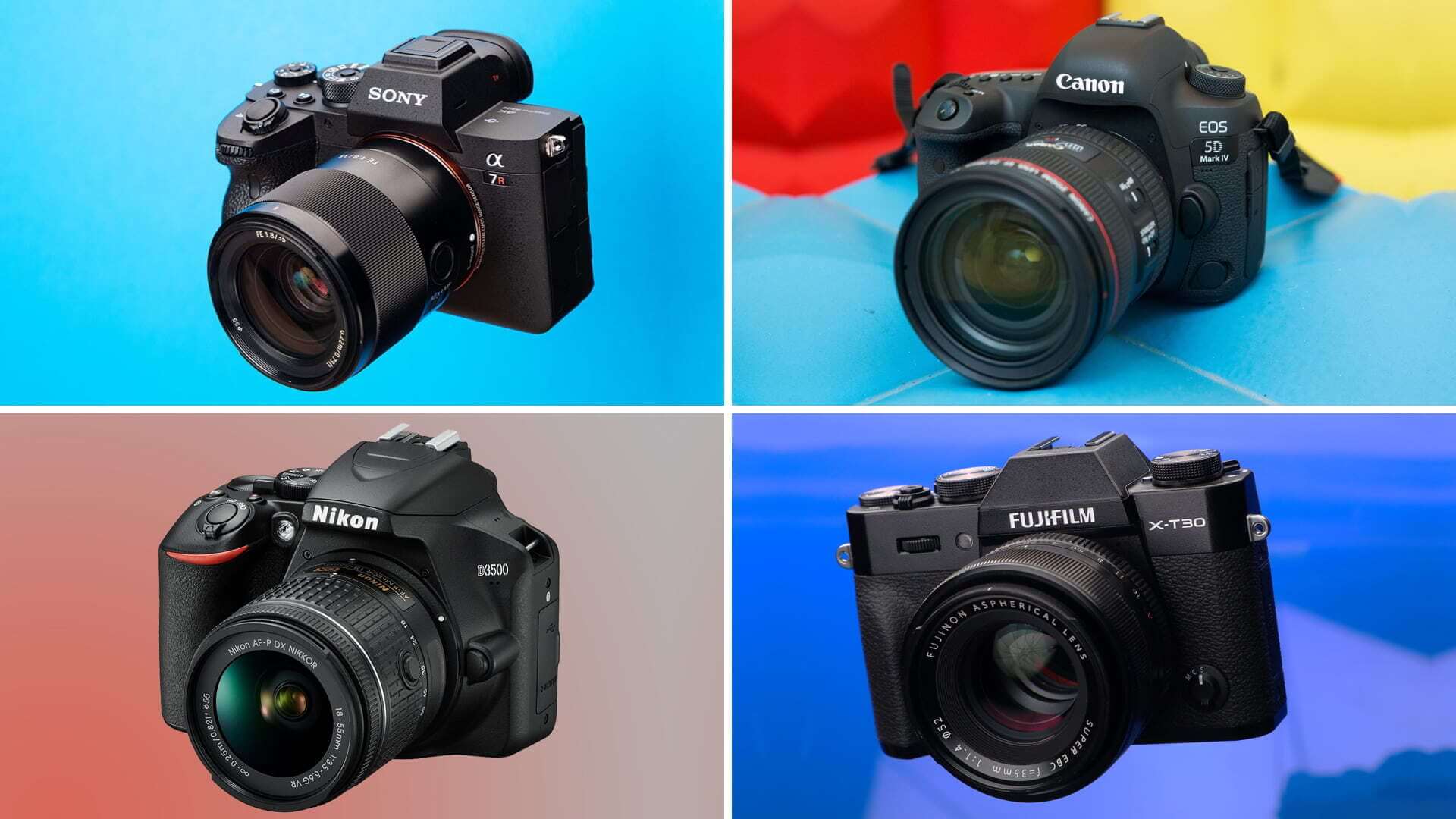
Mirrorless cameras disadvantages. Despite these drawbacks, mirrorless cameras are a popular option for many photographers because to their many benefits, which include silent shooting, real-time exposure previews, and portability. However, before purchasing a mirrorless camera system, it’s crucial to thoroughly analyze the advantages and disadvantages as well as your unique photographic requirements and preferences. These drawbacks might eventually lessen as mirrorless technology continues to progress and camera makers’ support grows, further establishing mirrorless cameras as a practical choice for photographers of all skill levels.
MIRRORLESS CAMERAS DISADVANTAGES
Mirrorless cameras have a few important disadvantages despite their compactness, speed, and autofocus advantages. These include a lack of an optical viewfinder, a lower battery life, and an increased danger of sensor dust.Determining if a mirrorless system is appropriate for your shooting style can be made easier by being aware of these restrictions.
1. Limited Battery Life;
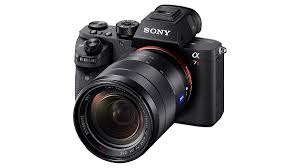
Mirrorless cameras rely on electronic viewfinders (EVFs) or rear LCD screens for composing and reviewing images, which consume more power compared to optical viewfinders found in DSLR cameras. As a result, mirrorless cameras often have shorter battery life, requiring photographers to carry extra batteries or recharge more frequently, especially during extended shooting sessions or when using power-intensive features like continuous autofocus.
2. Limited Lens Selection and Availability;
While the lens ecosystems for mirrorless camera have expanded rapidly in recent years, they may still lag behind DSLR systems in terms of lens variety and availability, particularly for specialized or niche lenses. Additionally, some mirrorless camera manufacturers offer proprietary lens mounts, limiting compatibility with third-party lenses and accessories compared to the more established DSLR lens market.
3. Potential for Overheating;
Mirrorless cameras disadvantages
Mirrorless camera employ electronic viewfinders and sensor-based autofocus systems that can generate heat during prolonged use, particularly when shooting high-resolution video or capturing bursts of images in rapid succession. In certain environmental conditions, such as extreme heat or direct sunlight, mirrorless cameras may be prone to overheating, leading to performance degradation or temporary shutdowns to prevent damage to internal components.
4. Ergonomic Considerations;
Mirrorless cameras disadvantages
While mirrorless camera are praised for their compact size and lightweight design, these attributes can also be a double-edged sword in terms of ergonomics and handling comfort, especially for photographers with larger hands or those accustomed to the grip and balance of traditional DSLR cameras. The smaller form factor of mirrorless cameras may make them less stable when paired with larger lenses, leading to potential hand fatigue or difficulty maintaining steady shots over extended periods.
Summary
Because of their small size, cutting-edge technology, and adaptability, mirrorless cameras have become more and more popular in recent years. Before making a purchase, photographers should take into account their disadvantages, just like any other camera system.
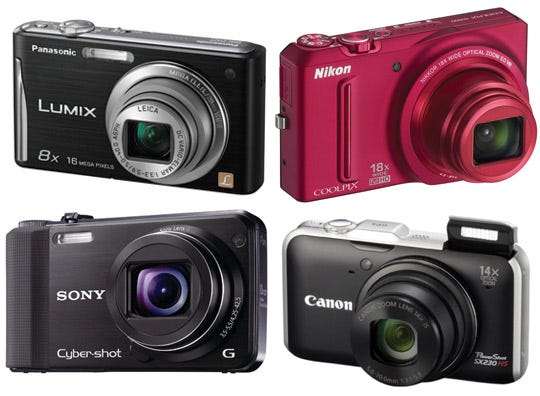
Compact cameras disadvantages. They are portable and convenient, but they have a number of drawbacks that can make them unsuitable for some kinds of photography. Slower performance, limited zoom capabilities, and smaller sensor sizes are just a few examples. For more difficult photographic activities, a compact camera might not offer the versatility and image quality needed.
COMPACT CAMERAS DISADVANTAGES
However, these drawbacks might be acceptable trade-offs given the simplicity of use and convenience provided by small camera systems for travelers and casual photographers looking for a portable and user-friendly camera solution. The choice of camera ultimately comes down to the photographer’s preferences, shooting style, and particular needs for taking striking pictures.
1. Limited Manual Controls;
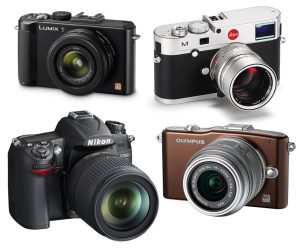
Unlike DSLR (Digital Single-Lens Reflex) or mirrorless cameras, which provide extensive manual control over settings such as aperture, shutter speed, and ISO, compact cameras often have limited manual controls. Although some models have some manual adjustment capabilities, these are usually limited, making it difficult for the photographer to fine-tune settings for best results under various shooting scenarios.
2. Small Sensor Size;
Compact cameras are equipped with smaller image sensors compared to their DSLR and mirrorless counterparts. This smaller sensor size can result in reduced image quality, especially in low-light conditions, as smaller sensors tend to produce more noise and have lower dynamic range. Additionally, compact cameras may struggle to achieve the shallow depth of field desired for creative effects like bokeh.
3. Limited Optical Zoom Range;
Compact cameras disadvantages
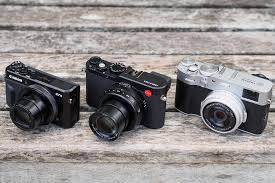
While compact cameras are designed to be lightweight and portable, this often comes at the expense of optical zoom capabilities. Many compact cameras feature fixed or modest zoom lenses with limited focal lengths, making them less versatile for capturing distant subjects or achieving dramatic perspectives. While digital zoom can extend the apparent zoom range, it often compromises image quality and detail.
4. Slower Performance;
Compact cameras are generally slower in terms of autofocus speed, shutter lag, and overall responsiveness compared to more advanced camera systems. This can be particularly frustrating when photographing fast-moving subjects or trying to capture spontaneous moments, as the delay between pressing the shutter button and capturing the image may result in missed opportunities.
5. Limited Creative Control and Customization;
Compact cameras disadvantages
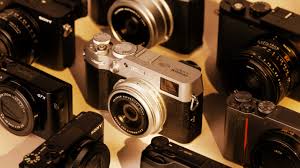
While compact camera excel in simplicity and ease of use, they may lack the advanced features and customization options desired by experienced photographers. Features such as interchangeable lenses, customizable function buttons, and advanced shooting modes are often absent or limited in compact camera models, restricting creative expression and adaptability in various shooting scenarios.
Summary
Travelers and casual photographers frequently use compact cameras, also known as point-and-shoot cameras, because of their portability and ease of use. Nevertheless, these cameras have several drawbacks that might make them unsuitable for more sophisticated photography, despite their small size and simplicity of use.
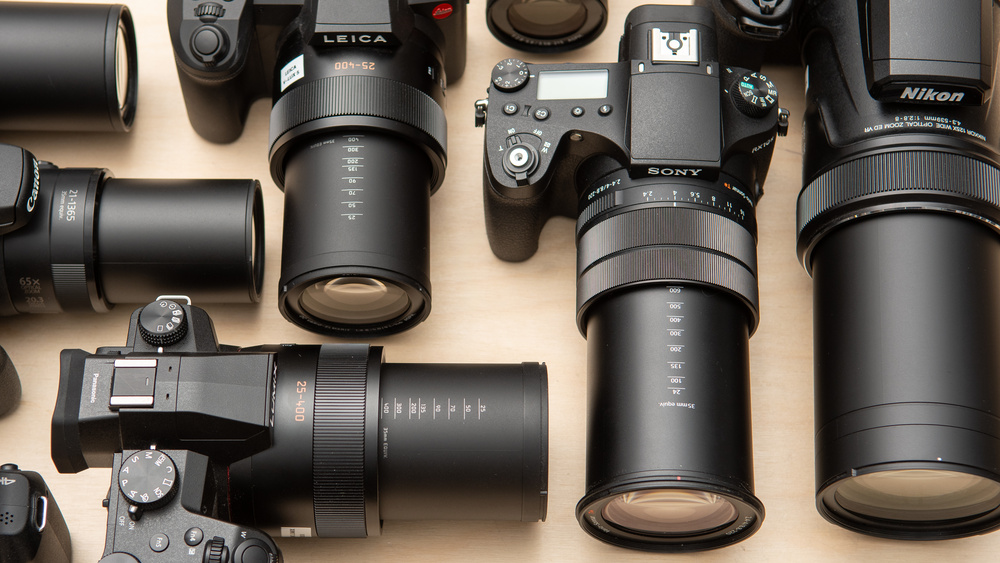
Top bridge cameras.Take into account aspects like zoom range, image quality, performance, functionality, and cost when selecting the ideal bridge camera for your requirements. There is a bridge camera to fit your tastes and make it simple to take beautiful pictures and movies, whether you’re an experienced photographer searching for a flexible travel companion or a novice looking for a simple all-in-one solution.
TOP BRIDGE CAMERAS
Bridge cameras occupy a unique space in the world of photography. Offering a versatile all-in-one solution that bridges the gap between compact point-and-shoot cameras and advanced interchangeable lens systems. With their impressive zoom capabilities, ergonomic designs, and user-friendly features.
1. Sony Cyber-shot RX10 IV;
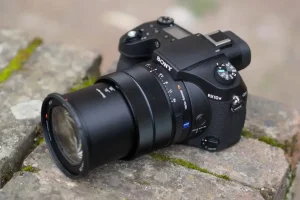
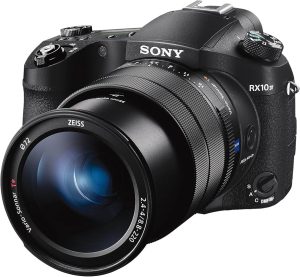
– Widely regarded as one of the best bridge cameras on the market, the Sony RX10 IV boasts a powerful 24-600mm equivalent zoom lens with a fast f/2.4-4 aperture.
– It features a 20.1-megapixel 1-inch Exmor RS stacked CMOS sensor, BIONZ X image processor, and advanced autofocus system with 315 phase-detection points for lightning-fast focusing.
– The RX10 IV offers 4K video recording, 24 frames per second continuous shooting, built-in Wi-Fi and NFC connectivity, and a tilting touchscreen LCD for easy composition and navigation.
2. Panasonic Lumix FZ1000 II;
– The Panasonic FZ1000 II combines a versatile 16x zoom lens (25-400mm equivalent) with a 20.1-megapixel 1-inch MOS sensor and Venus Engine image processor for stunning image quality.
– It features 4K video recording at 30 frames per second, 5-axis Hybrid Optical Image Stabilization (OIS), and a high-resolution electronic viewfinder (EVF) with 0.39-inch OLED display.
– The FZ1000 II offers intuitive manual controls, customizable function buttons, built-in Wi-Fi and Bluetooth connectivity, and a 3-inch free-angle LCD touchscreen for flexible shooting angles.
3. Nikon Coolpix P1000;
Top bridge cameras
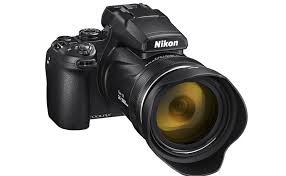
– The Nikon P1000 stands out for its impressive 125x optical zoom lens, equivalent to 24-3000mm in 35mm terms. Making it the ultimate superzoom bridge camera for capturing distant subjects.
– It features a 16-megapixel back-illuminated CMOS sensor, EXPEED image processor. And Dual Detect Optical VR (Vibration Reduction) for sharp, blur-free images and videos.
– The P1000 offers 4K UHD video recording, RAW file support, built-in GPS and Wi-Fi connectivity, and a high-resolution electronic viewfinder (EVF) with 0.39-inch OLED display.
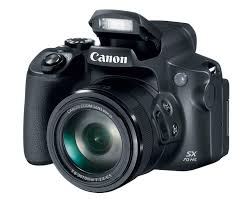
4. Canon PowerShot SX70 HS;
Top bridge cameras
– The Canon SX70 HS combines a versatile 65x optical zoom lens (21-1365mm equivalent) with a 20.3-megapixel CMOS sensor and DIGIC 8 image processor for excellent image quality.
– It features 4K UHD video recording at 30 frames per second, 10 frames per second continuous shooting, and Dual Sensing IS for steady handheld shooting.
– The SX70 HS offers built-in Wi-Fi and Bluetooth connectivity, a 3-inch vari-angle LCD touchscreen. And a high-resolution electronic viewfinder (EVF) with 0.39-inch OLED display.
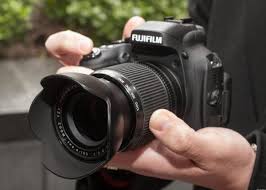
5. Fujifilm FinePix HS50EXR;
Top bridge cameras
– The Fujifilm HS50EXR features a 42x optical zoom lens (24-1000mm equivalent) with optical image stabilization and a 16-megapixel 1/2-inch EXR CMOS II sensor for impressive image quality.
– It offers full manual control, RAW file support, high-speed autofocus, and a high-resolution electronic viewfinder (EVF) with 0.26-inch OLED display.
Summary
Photographers looking for great image quality, convenience, and versatility use bridge cameras. Let’s examine some of the top choices for bridge cameras so you can make an informed choice:Simple point-and-shoot cameras and interchangeable lens cameras are separated by bridge cameras. They provide DSLR-like handling and enormous zoom ranges without the weight or expense of numerous lenses.
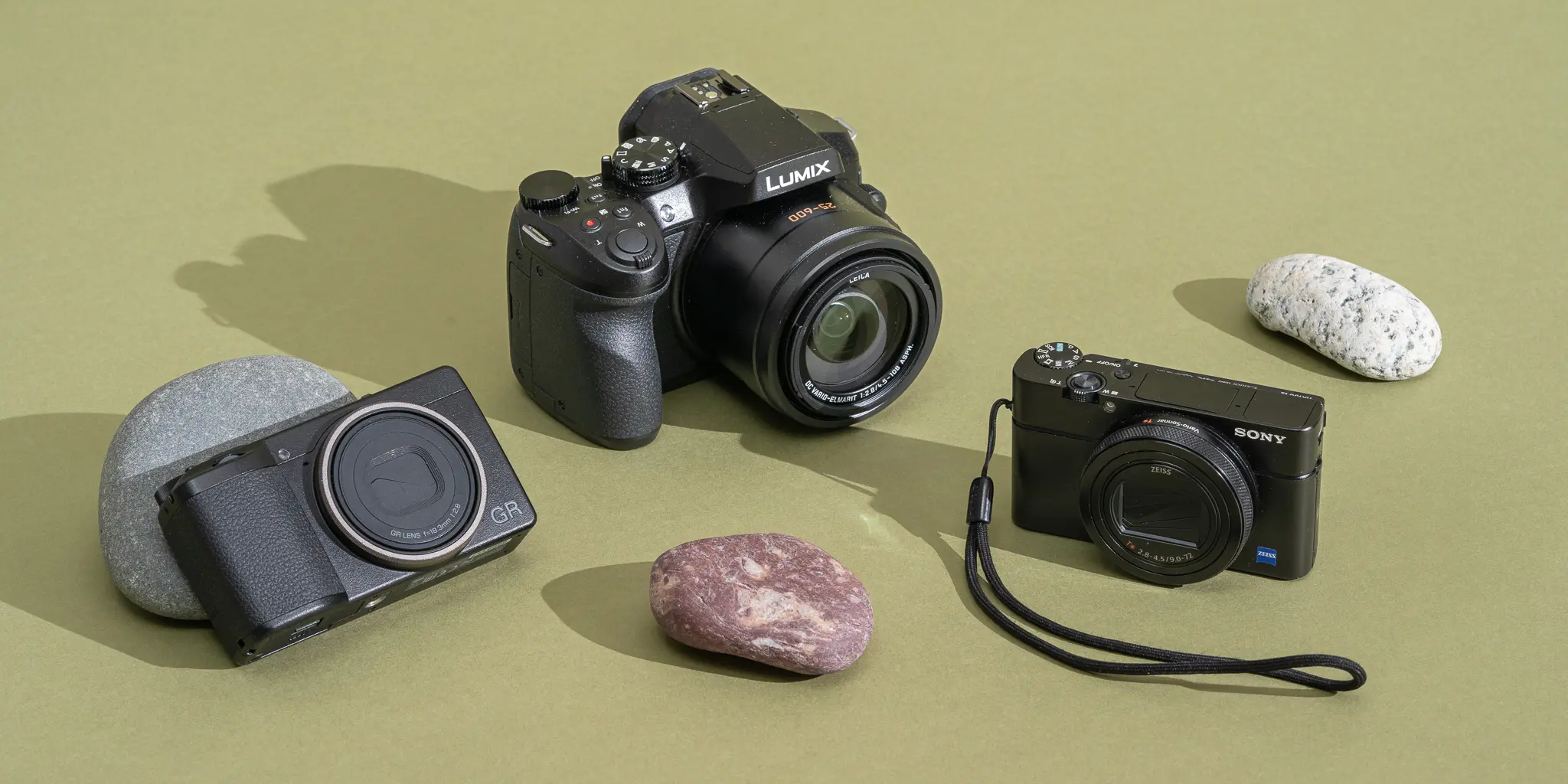
Compact and shoot cameras. Despite their diminutive size, compact point-and-shoot cameras are incredibly strong in terms of image quality.adaptability and cutting-edge features. Whether you’re a professional looking for a backup or vacation partner or a casual photographer searching for a handy and portable camera. The Panasonic Lumix LX100 II, Canon PowerShot G7 X Mark III, and Sony RX100 VII. provide the ideal balance of portability and performance to snap breathtaking pictures wherever your travels take you.
COMPACT AND SHOOT CAMERAS
They have long been popular due to their convenience, portability, and ease of use. They are therefore ideal companions for regular photography. Despite the proliferation of cellphones with ever-improving cameras. With their improved image quality, optical zoom, and cutting-edge capabilities, dedicated small cameras are still competitive. The top little point-and-shoot cameras that offer outstanding performance and portability are as follows:
1. Sony RX100 VII;
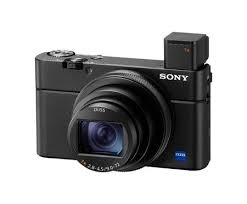
– The Sony RX100 VII is a powerhouse compact camera that packs a punch with its impressive imaging capabilities and advanced features.
– It features a 1-inch Exmor RS CMOS sensor with 20.1 megapixels. Delivering stunning image quality with excellent detail and low-light performance.
– The RX100 VII boasts a versatile 24-200mm equivalent zoom lens. Providing flexibility for a wide range of shooting scenarios from wide-angle to telephoto.
– With its advanced autofocus system, including real-time Eye AF and tracking. 20 frames per second continuous shooting, and 4K video recording. The Sony RX100 VII is perfect for capturing fast-paced action and stunning stills and video.
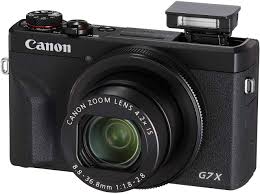
2. Canon PowerShot G7 X Mark III;
Compact and shoot cameras
– The Canon PowerShot G7 X Mark III is a compact camera that combines portability with powerful imaging capabilities and versatile features.
– It features a 1-inch stacked CMOS sensor with 20.1 megapixels, delivering excellent image quality with impressive detail and dynamic range.
– The G7 X Mark III boasts a bright f/1.8-2.8 lens with a 24-100mm equivalent zoom range, providing flexibility for shooting in various lighting conditions and capturing a wide range of subjects.
– With its advanced autofocus system, including face and eye detection. 30 frames per second RAW burst shooting, and 4K video recording with Canon’s Dual Pixel CMOS AF. The PowerShot G7 X Mark III is perfect for capturing high-quality stills and video on the go.
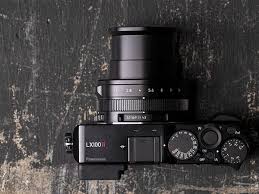
3. Panasonic Lumix LX100 II;
Compact and shoot cameras
– The Panasonic Lumix LX100 II is a compact camera that combines a large sensor with a fast lens and advanced features for exceptional image quality and creative control.
– It features a 17-megapixel Four Thirds MOS sensor with multi-aspect ratio support, delivering excellent image quality with rich detail and dynamic range.
-The LX100 II boasts a fast Leica DC Vario-Summilux lens with a 24-75mm equivalent zoom range, providing versatility for shooting in various situations from wide-angle to portrait.
– With its intuitive manual controls, including aperture ring, shutter speed dial, and exposure compensation dial. As well as 4K video recording, built-in Wi-Fi, and Bluetooth connectivity. The Lumix LX100 II is perfect for photographers seeking creative freedom and exceptional image quality in a compact package.
Summary
Compact “point-and-shoot” cameras are small, portable cameras with built-in or fixed zoom lenses and automated exposure settings. They are perfect if you want a nostalgic, vintage-style look or if you want to capture deliberate, high-quality pictures without being burdened by large equipment.

Compact cameras disadvantages

Mirrorless cameras disadvantages

Top bridge cameras

A Step-by-Step Guide to Deleting Reels on Instagram

A Comprehensive Guide to Setting Up a YouTube Premiere