art
Benefits of Teaching Arts Education



Benefits of teaching arts education. Through the integration of artistic disciplines to improve learning across the curriculum and create well-rounded individuals, arts education teaches subjects like music, drama, dance, and visual arts (drawing, painting, sculpture) to foster creativity, critical thinking, cultural awareness, and problem-solving abilities. It goes beyond technical proficiency to promote social and emotional development, providing all-encompassing experiences that increase motivation and equip students for challenging global issues by encouraging creativity and community involvement.
BENEFITS OF TEACHING ARTS EDUCATION
By fostering creativity, critical thinking, and motor abilities as well as increasing academic performance, mental health, and social skills, teaching arts education promotes overall student development. By encouraging pupils to see errors as teaching opportunities, it fosters resilience, self-assurance, and a growth mentality. Additionally, arts education fosters empathy, cultural understanding, and useful, transferable skills like problem-solving and teamwork, all of which are essential for future professional success.
1. Further improvement and creativity;


In addition to building creativity and invention abilities that are useful in a variety of academic subjects and future occupations, art education gives pupils the chance to express their thoughts and feelings in original and inventive ways.
2. Positive effects on brain development;
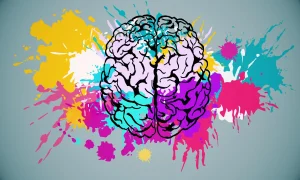

This have been demonstrated by research on the subject of art education. Students’ brains develop holistically when they participate in art-related activities because they activate several brain regions, including the motor and visual areas.
3. Knowledge of Cultural Diversity;


teaching arts education
Art is a useful instrument for learning about and appreciating various cultures. Students gain knowledge of the artistic mediums, fashions, and customs of many countries through art education, which promotes cross-cultural understanding.
4. Delivering critical thinking;

teaching arts education
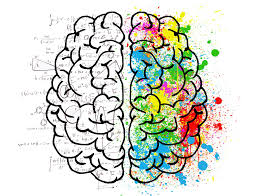
Critical thinking and visual information analysis are fostered in art education. Through art, kids are able to develop critical thinking abilities that are beneficial in many facets of life, such as asking questions and making judgments.
5. Emotional Intelligence;
Students may express and control their emotions in a positive and healthy way through art education. Students can explore their ideas and grow in self-awareness, and find authentic ways to express themselves via art.
6. Advances mental health;


teaching arts education
Students who may be dealing with stress, anxiety, or other mental health issues can find solace in art lessons offered at schools. Students can express themselves safely and constructively by channeling their emotions via art instruction. As a result, they may experience improved mental health outcomes and be able to better control their emotions. They may also feel more accomplished and valuable. improvements for overall motivation, thinking, and academic achievement.
Summary
Art education is still frequently seen as an elective or extracurricular activity, despite evidence showing that it has many positive effects on mental health, brain development, cultural awareness, general learning, and more. Let’s examine ten reasons why art education is essential to students’ entire development.