Camera
Camera safety tips

Camera safety tips. Camera equipment is neither cheap nor easily interchangeable. Additionally, even though certain versions are more durable than others, all of them are quite prone to breaking. In other words, neglecting your equipment could place you in a precarious situation where you have to pay thousands of dollars or, worse, have your trip ruined. Maintaining the operation and security of your camera equipment is essential to photography. I’ve listed five tips below to ensure that your camera stays in top shape even in dry, dangerous, or rainy conditions.
CAMERA SAFETY TIPS
The key to keeping your camera safe is to shield it from theft, environmental dangers, and physical harm. The most crucial guideline is to always maintain a firm grasp on your equipment by utilizing a sturdy camera strap or protective bag. In public, never leave your camera, lenses, or backpack unattended.To maintain your equipment operating at its optimum, adhere to these crucial best practices:
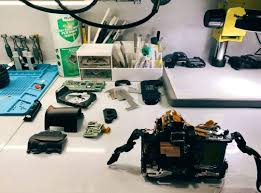
1. Regularly clean, repair, and service your equipment;
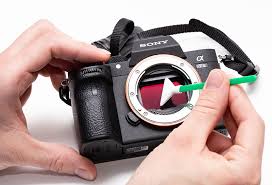

There is an old proverb that states, “Prevention is better than cure.” Therefore, maintaining the state of your camera is the first step towards making sure it is in good operating order. Develop the routine of cleaning your camera on a regular basis. It just takes a few minutes to clean a camera, and there are many excellent products available.
Just give your camera a quick wipe to remove any remaining dust and particles. Additionally, you should clean your lenses, but use caution—lens elements are easily scratched—and only use materials that are suitable with lenses.
Just give your camera a quick wipe to remove any remaining dust and particles. Additionally, you should clean your lense, but use
2. Be aware of the elements;

Camera safety tips
Two of the main hazards your camera will encounter are water and sand. A few grains of sand may be very problematic, as anyone who has ever had their lens or sensor scraped by sand knows. Water, especially sea spray, can also create major problems. Thankfully, there are techniques to reduce the risk of sand and water damage to your camera when working in desert or coastal conditions.
3. Know your surroundings;
Theft can pose a serious risk to cameras, just as sand and water. Fortunately, you can prevent becoming a victim if you use a little prudence and common sense. Understanding your environment and acting appropriately in it are crucial
4. Store your equipment safely;

Camera safety tips
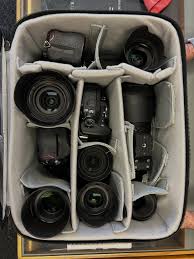
When not in use, take great care when storing it, ultimately, no of how often you snap pictures, there will be periods of time when you are without your camera (even of it’s only for the evening). Furthermore, sunshine and humidity can be problematic if you’re not careful. Steer clear of high humidity areas like damp basements and laundry rooms while keeping your equipment. Fungus can grow on your lens elements due to moisture, and it can cause havoc.
Summary
A camera is a device that records and stores pictures and videos, either chemically using photographic film or digitally using an electronic image sensor. The advancement of visual arts, media, entertainment, surveillance, and scientific study has been greatly aided by cameras, a key technology in the domains of photography and videography.