Depression
Chronic Symptoms of Depression

Chronic Symptoms of Depression. This is a mood disorder, which include feelings of melancholy, emptiness, and lack of joy. This is not the same as the emotional fluctuations people experience on a daily basis. Significant life circumstances, such as losing a career or a loved one, can trigger depression. Depressive symptoms, however, are distinct from the negative feelings that a person may experience briefly following a difficult period in their life.
CHRONIC SYMPTOMS OF DEPRESSION
In adults, chronic depression, also known as persistent depressive disorder or dysthymia, is characterized by a persistently sad, gloomy, or empty mood that lasts for at least two years. Though symptoms may be less severe or more persistent than those of major depression, it causes persistent sorrow, low energy, low self-esteem, and difficulties with day-to-day functioning.
Can depression be cured?


Chronic Symptoms of Depression
Depression cannot be cured, however, there are helpful therapies that aid in healing. The likelihood of therapy success increases with early initiation. Some people may never experience depression again after a single bout of it. There will be relapses for others. After a therapy regimen, many depressed individuals get well. Relapses can happen, though, even with successful treatment. About half of persons do not initially respond to treatment. People taking medicine for depression should stick with treatment for as long as prescribed by their doctor to avoid relapsing, even if their symptoms become better or go away.
Signs and symptoms;


Chronic Symptoms of Depression
Meanwhile, many psychological and physiological symptoms can be brought on by depression, including a persistently melancholy mood; a loss of interest in or enjoyment from hobbies and activities; changes in food and body weight; unusually sluggish or agitated movements; diminished energy, or exhaustion. trouble focusing or making decisions; thoughts of suicide, or attempts at suicide; trouble sleeping or oversleeping; extreme emotions of guilt or worthlessness
Types;
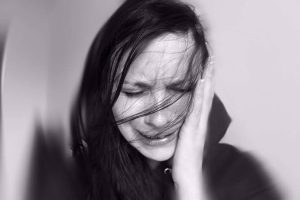

Severe depression; A person suffering from serious depression is depressed all the time. Activities that people once enjoyed may no longer pique their attention. Typically, psychotherapy and medicine are used in treatment.
Disorders of persistent depression Also known as dysthymia, persistent depressive illness causes symptoms that endure for at least 2 years. A person living with this condition may have episodes of major depression as well as lesser symptoms that do not fulfill the criteria for major depressive disorder.
Postpartum depression


Some call the brief period of melancholy or elevated emotions that follow childbirth the “baby blues.” Usually, this passes after a few days or a few weeks. Feeling lonely
Summary
A persistent sense of melancholy and disinterest in life are symptoms of depression, a prevalent and dangerous mood disease. It can lead to everyday issues and has an impact on your thoughts, emotions, and behavior. Although you can’t just get over it, it can be handled carefully.