Eyes health
Cloudy Visions and Cataracts

Cloudy visions and cataracts. Because cataracts break down proteins in the lens of the eye, they create cloudy, blurry, or dim vision, which frequently gives the impression that you are seeing through a haze or foggy window. Halos surrounding lights, light sensitivity, poor night vision, and faded colors are typical symptoms. They typically grow slowly and are primarily age-related, but they can be successfully corrected with routine outpatient surgery that takes 15 to 30 minutes and replaces the hazy lens with a clear artificial one.
CLOUDY VISIONS AND CATARACTS
By dissolving proteins in the lens of the eye, cataracts result in cloudy, fuzzy, or dim vision, which frequently gives the impression that one is seeing through a haze or foggy window. Light sensitivity, poor night vision, faded colors, and halos around lights are typical symptoms. They are mostly age-related, develop gradually, and can be successfully corrected with routine outpatient surgery lasting 15 to 30 minutes, which replaces the hazy lens with a clear artificial one.
What Are Cataracts?
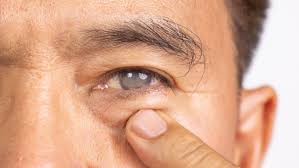

Cataract occur when proteins in the lens of the eye break down and clump together, forming a cloudy area. This clouding can make it difficult to see clearly, and over time, it can grow larger, making vision even blurrier. People with cataracts often describe their sight as looking through a frosted or fogged-up window.
Common Symptoms;
The most common symptoms of cataract include blurry vision, sensitivity to light, difficulty seeing at night, fading or yellowing of colors, and seeing halos around lights. These symptoms can affect daily activities like reading, driving, and recognizing faces, leading to frustration and reduced quality of life.
Causes and Risk Factors;

CLOUDY VISIONS AND CATARACTS
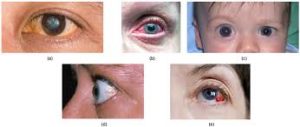
Aging is the most significant risk factor for cataract, but it isn’t the only one. Other factors include:
– Genetics: Family history of cataracts can increase risk.
– Sun Exposure: Prolonged exposure to UV rays can damage the eye’s lens.
– Medical Conditions: Diabetes and other health issues may contribute.
– Lifestyle Choices: Smoking and excessive alcohol consumption can also heighten the risk.
Treatment Options;


CLOUDY VISIONS AND CATARACTS
While lifestyle changes and protective measures like wearing sunglasses can help delay the development of cataract, surgery is the only effective treatment once vision becomes significantly impaired. Cataract surgery is a safe and routine procedure where the cloudy lens is replaced with a clear artificial lens, restoring vision and improving quality of life.
Maintaining regular eye exams and a healthy lifestyle can go a long way in preventing and managing cataracts. Don’t let cloudy vision take away the view of life’s most beautiful moments.
Summary
The gradual, typically age-related clouding of the natural lens of the eye that prevents light from reaching the retina is called a cataract. Early indicators include mild blurring, faded colors, and increased sensitivity to glare. Surgery is utilized to replace the hazy lens, which is primarily caused by protein breakdown in the lens.