Camera
Compact cameras disadvantages

Compact cameras disadvantages. They are portable and convenient, but they have a number of drawbacks that can make them unsuitable for some kinds of photography. Slower performance, limited zoom capabilities, and smaller sensor sizes are just a few examples. For more difficult photographic activities, a compact camera might not offer the versatility and image quality needed.
COMPACT CAMERAS DISADVANTAGES
However, these drawbacks might be acceptable trade-offs given the simplicity of use and convenience provided by small camera systems for travelers and casual photographers looking for a portable and user-friendly camera solution. The choice of camera ultimately comes down to the photographer’s preferences, shooting style, and particular needs for taking striking pictures.
1. Limited Manual Controls;
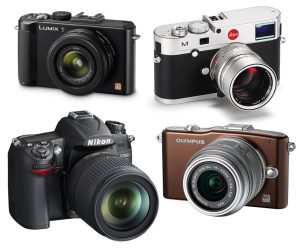

Unlike DSLR (Digital Single-Lens Reflex) or mirrorless cameras, which provide extensive manual control over settings such as aperture, shutter speed, and ISO, compact cameras often have limited manual controls. Although some models have some manual adjustment capabilities, these are usually limited, making it difficult for the photographer to fine-tune settings for best results under various shooting scenarios.
2. Small Sensor Size;
Compact cameras are equipped with smaller image sensors compared to their DSLR and mirrorless counterparts. This smaller sensor size can result in reduced image quality, especially in low-light conditions, as smaller sensors tend to produce more noise and have lower dynamic range. Additionally, compact cameras may struggle to achieve the shallow depth of field desired for creative effects like bokeh.
3. Limited Optical Zoom Range;

Compact cameras disadvantages
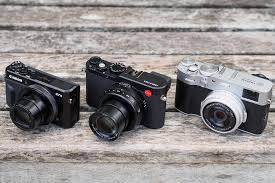
While compact cameras are designed to be lightweight and portable, this often comes at the expense of optical zoom capabilities. Many compact cameras feature fixed or modest zoom lenses with limited focal lengths, making them less versatile for capturing distant subjects or achieving dramatic perspectives. While digital zoom can extend the apparent zoom range, it often compromises image quality and detail.
4. Slower Performance;
Compact cameras are generally slower in terms of autofocus speed, shutter lag, and overall responsiveness compared to more advanced camera systems. This can be particularly frustrating when photographing fast-moving subjects or trying to capture spontaneous moments, as the delay between pressing the shutter button and capturing the image may result in missed opportunities.
5. Limited Creative Control and Customization;

Compact cameras disadvantages
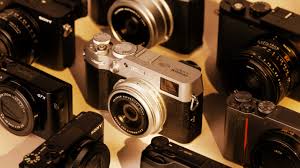
While compact camera excel in simplicity and ease of use, they may lack the advanced features and customization options desired by experienced photographers. Features such as interchangeable lenses, customizable function buttons, and advanced shooting modes are often absent or limited in compact camera models, restricting creative expression and adaptability in various shooting scenarios.
Summary
Travelers and casual photographers frequently use compact cameras, also known as point-and-shoot cameras, because of their portability and ease of use. Nevertheless, these cameras have several drawbacks that might make them unsuitable for more sophisticated photography, despite their small size and simplicity of use.