Skin health
Effects of dust on skin

Effects of dust on skin. Dust can have serious and varied consequences on the skin, from dryness and irritation to allergic reactions and skin infections, even though these effects are frequently disregarded. Despite environmental constraints, people can preserve healthy, glowing skin by being aware of the possible risks of dust exposure and taking proactive steps to protect and care for the skin. Making skin health a priority may help people feel and look their best, from implementing a regular skincare routine to reducing dust exposure in both indoor and outdoor settings.
EFFECTS OF DUST ON SKIN
Dust is an inevitable part of our environment, accumulating in our homes, workplaces, and outdoor spaces. While we often associate dust with respiratory issues, its effects on the skin are equally significant and deserving of attention. In this article, we’ll explore the various ways in which exposure to dust can affect the skin and discuss strategies to protect and maintain skin health.
1. Dryness and Irritation:
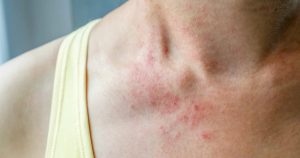

One of the most common effects of dust on the skin is dryness and irritation. Dust particles can contain various substances, including allergens, pollutants, and chemicals, which can strip the skin of its natural oils and moisture. Prolonged exposure to dust without proper protection can leave the skin feeling dry, tight, and itchy, particularly for individuals with sensitive or dry skin.
2. Allergic Reactions:
Dust mites, microscopic creatures found in household dust, are a common source of allergens that can trigger allergic reactions in susceptible individuals. When dust mite allergens come into contact with the skin, they can cause symptoms such as redness, itching, hives, and eczema flare-ups. These allergic reactions can be particularly troublesome for individuals with existing skin conditions or compromised immune systems.
3. Acne and Breakouts:

Effects of dust on skin
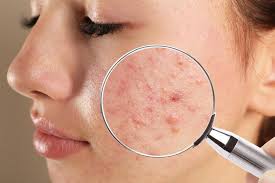
Dust particles, along with other environmental pollutants, can clog pores and contribute to the development of acne and breakouts. When dust accumulates on the skin’s surface, it mixes with excess oil, dead skin cells, and bacteria, forming a breeding ground for acne-causing bacteria. Regularly cleansing the skin and removing dust and impurities can help prevent clogged pores and minimize the risk of acne flare-ups.
4. Premature Aging:

Effects of dust on skin
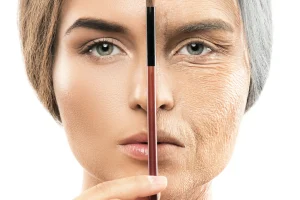
Exposure to environmental pollutants, including dust, can accelerate the aging process and lead to premature signs of aging such as wrinkles, fine lines, and age spots. Dust particles can generate free radicals, unstable molecules that damage skin cells and collagen fibers, leading to oxidative stress and skin aging. Protecting the skin from dust and other pollutants with antioxidant-rich skincare products and sun protection can help mitigate the effects of premature aging.
5. Skin Infections:

Effects of dust on skin
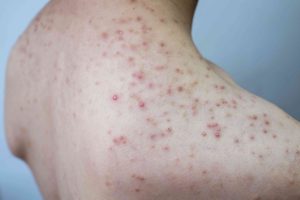
In addition to causing irritation and allergic reactions, dust can also harbor bacteria, viruses, and fungi that can lead to skin infections. Prolonged exposure to contaminated dust, particularly in environments with poor hygiene or sanitation, can increase the risk of developing infections such as bacterial folliculitis, fungal infections, and impetigo. Practicing good hygiene, including regular handwashing and keeping skin clean and dry, is essential for preventing skin infections caused by dust exposure.
Summary
Acne, allergic reactions, skin inflammation, and early aging are all brought on by dust, especially tiny particulate matter (PM2.5) and dust mites. In addition to increasing the breakdown of collagen, which results in wrinkles and spots, it weakens the skin’s barrier, producing dryness, irritation, and rashes. To prevent this damage, daily washing and nourishing, antioxidant-rich products are essential.