safety
Helmets Advantages

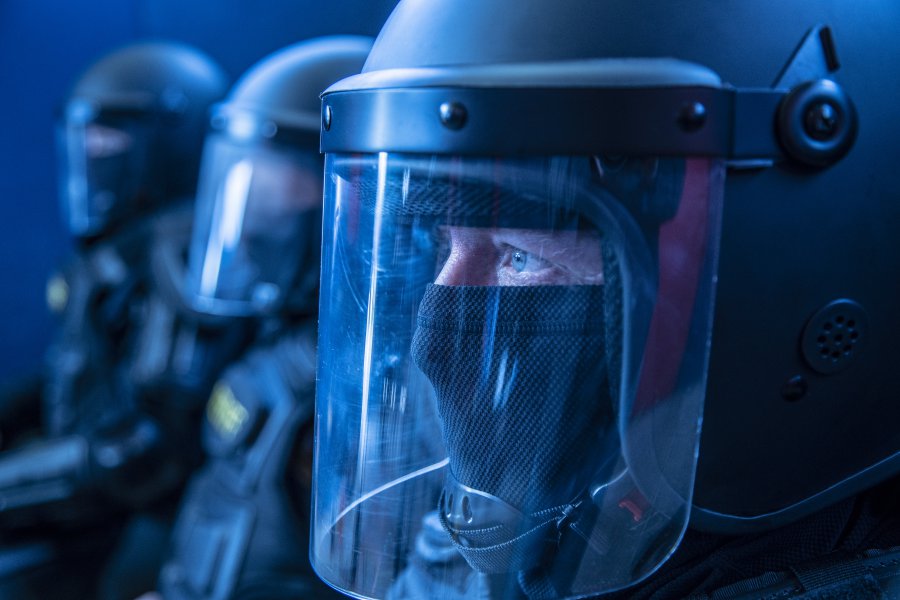
Helmets advantages. One of the best ways to encourage helmet use and reduce the amount of head injuries is through education and awareness campaigns. Through these programs, riders of all ages learn the value of wearing a helmet and how to choose one that fits properly. By organizing events, distributing free helmets to those in need, and providing fit demonstrations, cycling clubs, schools, and community organizations can all significantly contribute to the promotion of helmet use. Public health campaigns should also highlight the importance of wearing helmets and the data showing their effectiveness in lowering serious injuries.
HELMETS ADVANTAGES
By lowering the chance of catastrophic brain injury by 53% to 60% and the risk of fatal head injuries by up to 88%, helmets offer vital, life-saving protection. In addition to improving sight, providing weather protection, and lowering noise levels during rides, they protect against debris, facial injuries, and skull fractures.
1. It Can Protect You Against Head Injuries;

A helmet reduces the risk of head trauma and the force of an accident on your head. If you are riding a two-wheeler and you are not wearing a helmet, you run the risk of suffering fatal brain injuries in an accident. Failure to wear a helmet increases the risk of both internal and exterior brain injuries, which can be fatal. To save your life, you should wear a helmet.
2. Eye protection;
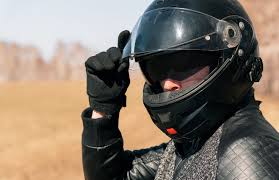
A full-faced helmet completely encloses your face, giving you total protection in the event of an accident. Wearing this kind of helmet when riding a two-wheeler shields your eyes from dust and bright lights. Additionally, this helmet’s design gives you the best possible field of vision when driving.
3. Ensures greater control of the vehicle;
It has been noted that wearing a helmet increases your level of focus when riding a bicycle. When wearing a helmet when operating a two-wheeler, you are more likely to exercise caution and regulate your pace. By doing this, the likelihood of an accident is significantly reduced.
4. Protects you from chilly winds;
Helmets advantages
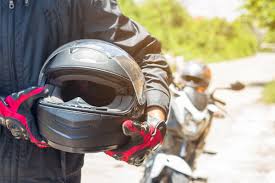
Donning a helmet shields your ears in addition to your head. By keeping the cool breeze out of your ears, this protective covering keeps you healthy and keeps you from becoming sick during the cold months. Wearing a helmet during the summer also helps you keep cool because the solid lining cushioning reduces the warmth.
5. Prevents fines;
Helmets advantages
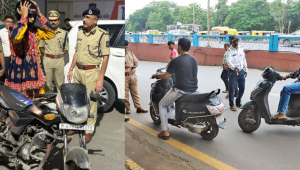
Traffic cops are on high alert to fine individuals who ride their bikes without a helmet because of the law requiring helmet use. To avoid paying large fines and damaging your driving record, you should wear a helmet when driving.
6. Wearing a Helmet Can Reduce the Risk of Death
7.It Keeps Your Head Dry and Warm
8.A Helmet Can Help Other People Notice You More Easily
9.A Helmet Can Help Other People Notice You More Easily
How to buy a helmet;
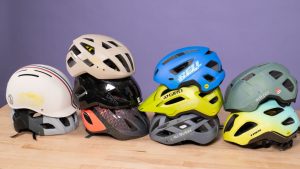
Helmets advantages
1. To guarantee the safety of everyone riding the bike, purchase helmets for the driver and any pillion passengers.
2. To ensure total safety, always get a full-faced helmet, which covers your entire face.
Summary
Since the helmet absorbs most of the impact energy during a fall or collision rather than your head and brain, wearing one has been shown to reduce your chance of dying or suffering a catastrophic brain injury. Just as important as donning a helmet is wearing the proper one.
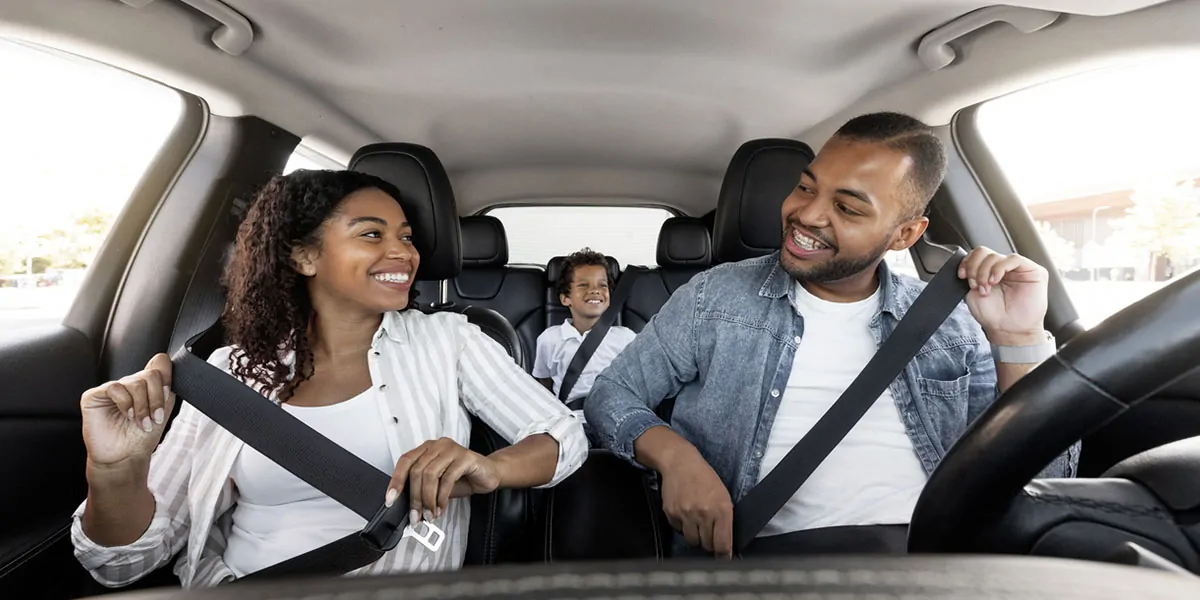
Seat belts advantages. Nowadays, wearing a seat belt should come naturally to you when you get into your automobile. However, some people are still unaware of the benefits of using a seat belt. Instead, they are increasing their risk because the safety measures of the car won’t protect them in the event of an accident.
SEAT BELTS ADVANTAGES
Since 75% of auto accidents and injuries happen within 25 miles of a person’s house, you can increase safety by always wearing a seatbelt when driving, even if you’re just within your estate. Also, low speeds (less than 40 mph) account for more than half of all automotive accidents that cause injuries. If you don’t think wearing a seatbelt is vital or you don’t enjoy wearing one, these reasons might convince you otherwise.
1. It ensures the safety of all occupants and other drivers;
Even if you drive an older car without airbags, seat belts are still life-saving, as several studies and research have concluded.
2. It maintains your position when hits occur;
By keeping you in your seat, the seat belt prevents you from being flung through the windshield or tossed around the car.
3. It is made to cooperate with your airbags;
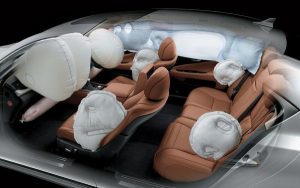
In addition to your seat belt, airbags are made to help hold you in place. You cannot use the airbag system if you are not wearing it.
4. You can avoid being fined for not wearing one;
There are seat belt laws, as was previously noted, and failing to wear one could result in a traffic citation, a fine, and a record of the infraction on your driving record.
5. It lowers the chance of death and severe injuries;
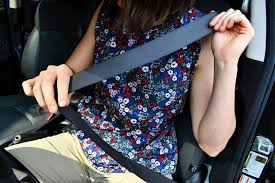
Seat belts advantages
Some people have survived serious collisions in which their vehicles were completely destroyed, yet they only suffered minor injuries because they were wearing seat belts.
6. It may impact the cost of auto insurance;
When it comes time to renew your auto insurance, if you receive a traffic ticket for not wearing your seatbelt, your rates may increase dramatically since you are viewed as a high-risk driver, or your policy may not be renewed at all.
7. After an accident, it affects your capacity to get compensation;
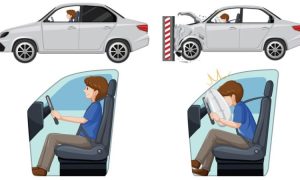
Seat belts advantages
The person who caused the accident or your motor insurance company may claim that you should receive less money because you were at fault for not wearing a seat belt, even if you were not at fault.
8. Stops Ejection;
The Insurance Institute for Highway Safety reports that when a person is ejected from a car, fatalities are more likely to occur. Wearing a seat belt improves your chances of surviving an accident by keeping you inside your vehicle.
9. Impact Force;
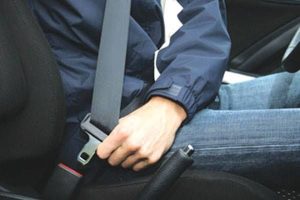
Seat belts advantages
Distribution The force will be distributed over your strongest body parts by your shoulder and lap belts. Compared to a concentrated hit on your head, chest, or abdomen, which is more likely to occur if you are not restrained, this is less likely to result in harm.
10. Preserves Your Spine and Brain;
Also, Brain damage is likely to result from hitting your head in an accident. The severity of brain injuries can vary from minor concussions to diffuse axonal damage and potentially lethal coup-counters.
Summary
The risk of serious injuries can be reduced by half by using seat belts. Wearing seat belts reduces the number of fatalities in accidents by 45%. This indicates that 15,000 lives are saved on average each year by seat belt use.
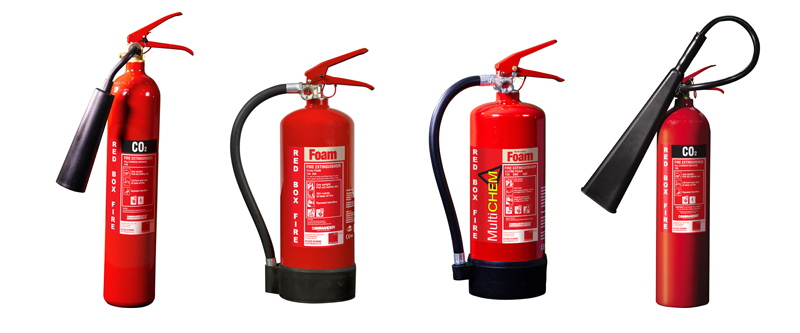
Fire extinguishers merits. Fires can start anywhere, at any moment, and without warning. A small spark can quickly turn into a violent fire that destroys property and kills lives. Fire extinguishers, an essential piece of fire safety equipment, may help confine and extinguish small fires before they get too big and uncontrollable. A fire extinguisher is a vital component of home security. In the event of a fire, it serves as the first line of defense, preventing property damage and saving lives. Choose the right extinguisher and learn how to use it to protect your home.
FIRE EXTINGUISHERS MERITS
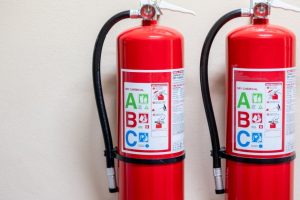
An essential portable tool for controlling or putting out small, controllable fires in an emergency is a fire extinguisher, which releases extinguishing agents. Depending on the fuel source (usually wood, liquid, electrical, or cooking fires), they are classified by fire class (A, B, C, D, or K). They are also frequently rated to make sure they adhere to safety regulations.
Importance;
Whether you are a homeowner, business owner, or responsible individual, fire safety should always come first. Installing fire extinguishers in your business can have a big impact on how a fire emergency turns out. The significance of fire extinguishers, their various varieties, and how to use them correctly in an emergency will all be covered in this article.
1. Initial defense;
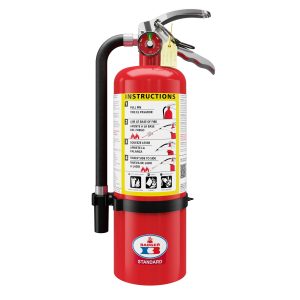
When a fire breaks out, a fire extinguisher acts as the first line of defense. Before the fire department arrives, which could take several minutes or longer, a small flame can evolve into a full-blown inferno. During these critical minutes, a fire extinguisher can contain or even extinguish a fire, stopping it from spreading and inflicting further damage.
2. Protecting lives and property;
A rapid response to a fire can saves lives. Fires can swiftly spread, engulfing the home with smoke and making escape more difficult. A fire extinguisher allows you to extinguish a fire in its early stages, potentially giving you more time to exit safely.
3. Not a choice in many areas;
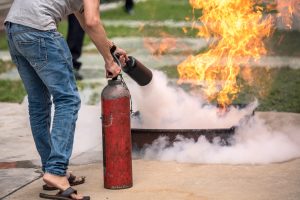
FIRE EXTINGUISHER MERITS
having a fire extinguisher in your house is not only a safety precaution; it is a requirement. Several jurisdictions and insurance companies mandate that residences have at least one fire extinguisher readily available. These regulations emphasize the critical role that fire extinguishers play in household safety.
4. Choose and utilize a fire extinguisher;
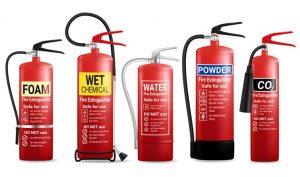
Not all fire extinguishers are made equal. Different types of extinguishers are designed to fight different types of fires, such as those caused by common combustibles, flammable liquids, or electrical equipment. It’s critical to have the appropriate extinguisher for the potential fire hazards in your home.
5. Regular maintenance;
FIRE EXTINGUISHER MERITS
FIRE EXTINGUISHER MERITS
The state of a fire extinguisher determines its effectiveness. Regular inspections are required to verify that your extinguisher is in good operating order, with no damage or blockages and the appropriate pressure. Extinguishers have expiration dates and should be changed or serviced as necessary.
Summary
It is important to keep in mind that fire extinguishers are only intended to put out small fires. Evacuating the building and contacting the fire brigade are crucial if the fire has spread beyond its original location. buy fire extinguishers in your house or place of business to assist in reducing the amount of damage that a fire can do. A fire extinguisher that is easily accessible can help contain a fire until the fire service comes.
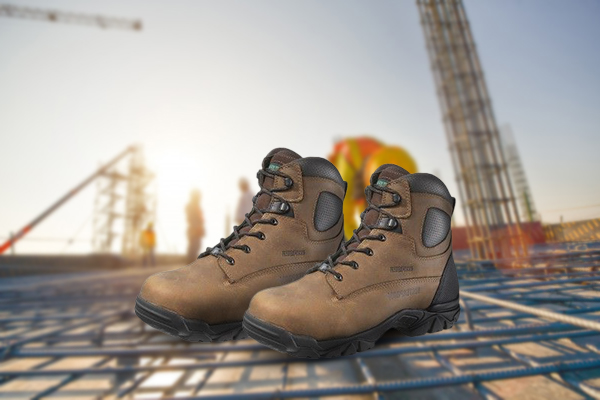
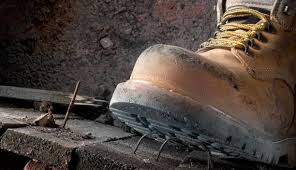
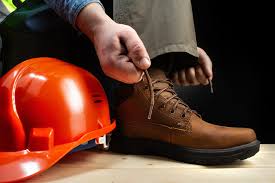
Safety shoes relevance. It’s crucial to remember that there isn’t a single, accepted style for safety shoes. Various kinds of safety shoes are designed for various uses and workplace conditions. However, what unites them is that they are all affordable and useful wardrobe necessities. They protect the foot under harsh environments and guard against a number of construction-related injuries.
SAFETY SHOES RELEVANCE
Essential personal protection equipment (PPE), safety shoes shield feet from serious workplace dangers such electrical shocks, slips, punctures, and crushing. In sectors including construction, manufacturing, and logistics, they are essential for preventing injuries, guaranteeing adherence to safety rules, and promoting comfort and lowering fatigue.
1. Your feet won’t get hurt if anything falls;
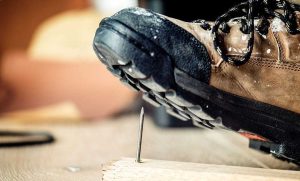
A common cause of concern when workers, machinery, and vehicles are all operating simultaneously is falling or dropping objects. Wearing protective footwear, such as steel-toed boots, will help you stay safe.
2. It is a puncture armor;
anti-wearing shoes with sturdy, thick soles and uppers is essential if you work in a hazardous environment. Soft-soled shoes, on the other hand, could endanger construction workers.
3. You are shielded;
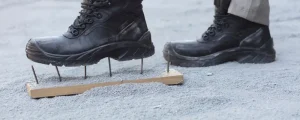
incidents using sharp objects or moving machinery to cut is risky. Chainsaws pose a risk to foresters. When a worker’s foot gets stuck in a chainsaw, it might cause fatal injuries. Your feet are shielded from chainsaws by cut-resistant safety shoes. This footwear supports the ankle and is waterproof and water-resistant.
4. You contain complete electrical safety;
you might get electric shocks, sparks, or static buildup, depending on where you operate. It could help to wear shoes composed of rubber, leather, or other non-conductive materials. If static electricity builds up, use shoes that are conductive or antistatic. Waterproof boots avoid electrostatic sparks by lowering static charges.
5. You can avoid falls and slips;
SAFETY SHOES RELEVANCE
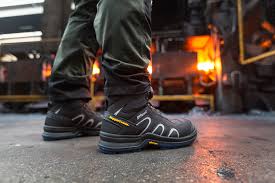
In every setting, slips and falls are a common source of job injuries. By using nonslip floor tape or making sure that everyone can understand the pertinent notice, this risk can be decreased.
6. You will feel less weary;
Numerous workers are required to stand or walk all day, occasionally on concrete. Foot fatigue may ensue as a result. Walking or standing for long periods wears down your back, hips, legs, feet, and other muscles.
7. You can avoid burnout at work;
Burns sustained on the job can result from chemicals, fire, and hot materials. With the right safety footwear, one can prevent burns from chemicals, splashes from molten metal, and other poisons that cause skin injuries.
8. An essential that is weatherproof;
SAFETY SHOES RELEVANCE
working outside in the winter or damp, cold conditions could put you in danger. Extreme cold temperatures can cause hypothermia and frostbite. Rain and snow will not harm your feet if you wear insulated and waterproof shoes. Verify whether the organization or firm you work for offers safety shoes.
Summary
Safety shoes are specialized protective footwear made to guard against electrical hazards, punctures, slips, and falling items in dangerous work conditions. To guarantee worker safety and adherence to health requirements, they have slip-resistant soles, pierce-resistant midsoles, and reinforced, protected toes (steel, composite, or alloy).

Kids and Reading Loud

Lips Breakage Remedies

Healthy Tips for Chapped Lips

A Step-by-Step Guide to Deleting Reels on Instagram

How to Create a WhatsApp Group