Flowers
How to Deadhead Flowers

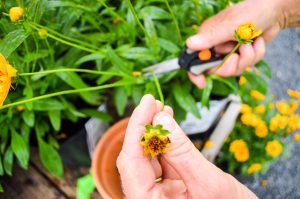

How to deadhead flowers.The horticultural technique known as “deadheading flowers” involves removing old, fading blossoms in order to promote additional flowers, maintain plants neat, and reroute energy from seed development back into growth, thereby boosting plant health and bloom duration. In order to encourage new growth, you usually pinch or snip old flowers off at the stem, cutting just above the next healthy leaf or bud. While this works for many perennials, such as daisies and roses, some plants, such as fuchsias or those planted for their seeds, such as sunflowers, shouldn’t be deadheaded.
HOW TO DEADHEAD FLOWERS
Meanwhile, flowers, also referred to as blossoms or blooms, are the vibrant reproductive parts of plants found in nature. They are essential for the production of seeds, come in countless varieties (roses, lilies, sunflowers), and have a variety of colors, shapes, and scents. They are also necessary for gardens and bouquets and are frequently given as gifts to convey feelings like love or sympathy. They are made up of male stamens, female parts, petals, and sepals. They are attractive to pollinators and flourish in sunlight and water. Steps to deadhead flowers. Keeping your garden and yard lush and full of lovely blooms all season may appear to be a big task, but it’s quite simple.
What does it mean to Deadhead Flowers?
Deadheading is just removing dead flower heads from plants. If you’re new to gardening and want to know how to deadhead a flower.
Tips for Deadheading Flowers;
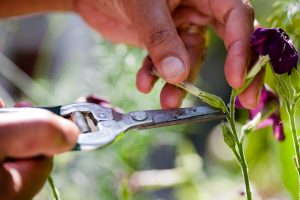

1. Plan your Deadheading;
Deadheading flowers does not require precise time. This garden duty can be completed throughout the growing season, from spring to fall. You can deadhead flowers whenever they begin to fade. This is visible in single blossoms on single stems.
2. Select a Deadhead Cutting Point;

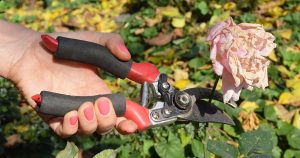
how to deadhead flowers
However, it can be difficult to decide which location to deadhead. If you cut near the bottom of the bloom, you will most likely end up with a dry and unsightly stem. Where to deadhead or trim a plant varies based on the species.
3. Make a Deadhead Cut;
Although, certain plants can be pinched, I prefer to use my Micro-Tip Snips to deadhead most of them. They let me rapidly reach into a plant and make a neat, tidy cut with no damage to the plant.
4. Cleaning up is Quick and Easy;

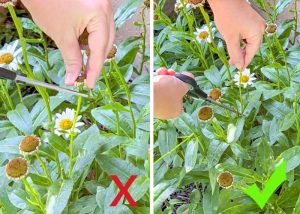
how to deadhead flowers
Meanwhile, the primary goal of deadheading plants is to make your flower beds, so don’t leave your fallen blossoms on the ground. It’s just as simple to gather them in a little bucket.
5. Fertilize your Main Development;
Also, deadheading flowers and trimming promote fresh growth. Remember to follow a regular fertilizing program to keep your plants growing strong and healthy. Annuals are particularly heavy feeders.
Why should I deadhead?

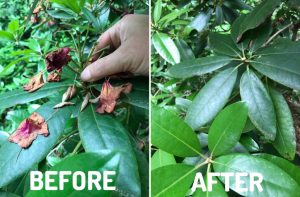
how to deadhead flowers
Although, flowering plants perform several functions besides adorning our surroundings.
Summary
However, in order to keep plants neat and promote repeat blooms, deadhead flowers by pinching or cutting the stem just above the next healthy leaf or bud, or down to the base for single-stem flowers, using clean tools like fingers, snips, or secateurs to reroute energy from seed production to new flowers.