Skin health
How to Remove Stretch Marks

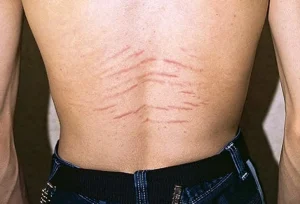

How to remove stretch marks. When your skin rapidly changes shape as a result of growth or weight gain, you may get stretch marks, also known as striae. Usually, they don’t indicate that your health is in any danger. Stretch marks can affect people of either gender. The two most typical times in life to have them are during pregnancy and adolescence. A thin red or purple line that is different in texture from the surrounding skin is how a stretch mark initially appears. Over time, the majority of stretch marks will go away on their own. After fading, they might not be as obvious. Typically, faded stretch marks have a slightly glossy appearance similar to a scar and are paler than the surrounding skin.
HOW TO REMOVE STRETCH MARKS
Stretch marks, also known as striae, are a common skin condition characterized by visible lines or streaks on the skin’s surface. These marks often appear as parallel lines, ranging in color from pink to purple to silver, and can develop on various areas of the body due to rapid growth, weight fluctuations, pregnancy, or hormonal changes. While they are completely natural and harmless, many people seek ways to minimize their appearance for cosmetic reasons. While stretch marks cannot be completely eradicated, several strategies can help reduce their appearance and improve skin texture.
Here are five things you can do to minimize the appearance of stretch marks:
1. Topical Treatments


HOW TO REMOVE STRETCH MARKS
Use topical creams, lotions, or oils specifically formulated to improve the appearance of it. Look for products containing ingredients such as retinoids, hyaluronic acid, vitamin C, or peptides, which can help promote collagen production and improve skin elasticity. Applying these treatments regularly can help fade stretch marks over time.
2. Moisturize
Keeping the skin well-hydrated can help improve its elasticity and reduce the appearance of it. Use a moisturizing lotion or oil daily, focusing on areas prone to stretch marks, such as the abdomen, thighs, hips, and breasts. Hydrated skin is more supple and less likely to develop new stretch marks.
3. Exfoliate
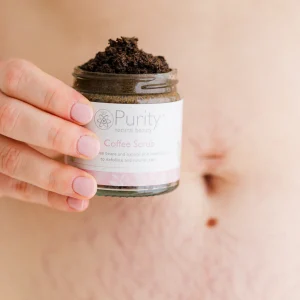

Regular exfoliation can help promote cell turnover and improve the texture of the skin, making stretch marks appear less noticeable. Use a gentle exfoliating scrub or body brush to remove dead skin cells and promote the regeneration of new, healthy skin. Be cautious not to over-exfoliate, as this can irritate the skin and exacerbate it.
4. Maintain a Healthy Weight
Rapid weight gain or loss can contribute to the development of stretch marks. To minimize their appearance, aim to maintain a healthy and stable weight through a balanced diet and regular exercise. Gradual weight loss or gain is less likely to cause stretching of the skin and subsequent it.
5. Medical Treatments
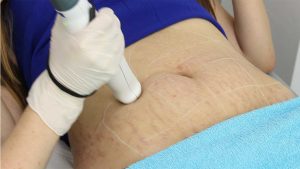

In some cases, medical treatments performed by dermatologists or skincare professionals may be effective in reducing the appearance of stretch marks. These treatments may include laser therapy, microdermabrasion, chemical peels, or microneedling, which can help stimulate collagen production and improve skin texture. Consult with a healthcare provider to determine the most appropriate treatment option for your individual needs. While these strategies can help reduce the visibility of it, it’s important to remember that they may not completely eliminate them. Embracing and accepting your body’s natural changes is an essential part of self-love and body positivity. Click here for more healthy-living related articles..
Summary
Don’t forget that stretch marks are typical. Many people experience changes like growth spurts, weight fluctuations, and pregnancy that can result in stretch marks. Although topical treatments can aid in hydration and encourage your skin’s healing processes, there is no foolproof home solution.