Uncategorized
Impacts of Jojoba Oil



Impacts of jojoba oil. It’s effects include hydrating skin and hair, controlling sebum to avoid acne and shine, and having anti-inflammatory and antioxidant qualities that can ease irritation, aid in wound healing, and lessen the appearance of wrinkles. Because it is non-comedogenic and imitates the skin’s natural oils, it is widely regarded as safe for topical use on the majority of skin types, including sensitive and acne-prone skin. It is dangerous to consume, though, and in rare instances, it may result in an allergic reaction.
IMPACTS OF JOJOBA OIL
Jojoba oil’s standing as a significant and adaptable ingredient in the beauty, health, and wellness industries has been solidified by its distinct composition and numerous advantages. Its non-comedogenic, hypoallergenic, and antioxidant qualities allow it to replicate the skin’s natural oils. Make it your go-to option for haircare and skincare. Jojoba oil’s popularity and uses are expected to grow as customers continue to look for sustainable and natural products, confirming its status as nature’s liquid gold.
Composition and Properties:
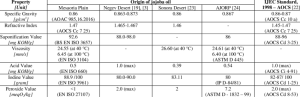

Unlike most vegetable oils, jojoba oil is not actually an oil but a liquid wax ester. This unique composition makes it remarkably stable, resistant to oxidation, and non-greasy. Chemically, jojoba oil closely resembles the sebum produced by human skin. Allowing it to blend seamlessly with the skin’s natural oils. It contains a rich array of fatty acids, including eicosenoic, erucic, and oleic acids. Along with vitamins E and B-complex, which contribute to its nourishing and protective properties.
Skin and Hair benefits:
Skin Care;


Jojoba oil’s resemblance to human sebum makes it an excellent moisturizer for all skin types. It provides a lightweight, non-comedogenic (won’t clog pores) barrier that helps to lock in moisture without causing breakouts. Its anti-inflammatory properties can soothe skin conditions such as eczema, psoriasis, and rosacea, while its antibacterial qualities help prevent acne.
Hair Care;
In hair care, jojoba oil serves as an effective conditioner and scalp treatment. It penetrates the hair shaft, moisturizing and strengthening hair from within. Which helps to reduce breakage and split ends. For the scalp, jojoba oil can help balance oil production, soothe dryness, and reduce dandruff, promoting a healthier environment for hair growth.
Applications in Beauty and Personal Care;


Jojoba oil’s versatility and compatibility with the skin make it a popular ingredient in a wide range of beauty and personal care products:
– Moisturizers and Creams: the oil is a key ingredient in many facial and body moisturizers. Providing hydration and nourishment without leaving a greasy residue.
– Cleansers and Makeup Removers: Its gentle, non-irritating nature makes it an effective cleanser and makeup remover. Capable of dissolving impurities and makeup while maintaining the skin’s natural balance.
Industrial and Medicinal Uses;


Beyond its cosmetic applications, jojoba oil has found uses in various industrial and medicinal fields. It serves as a biodegradable lubricant in machinery, an ingredient in pharmaceuticals, and a carrier oil in aromatherapy. In the medical field, jojoba oil’s hypoallergenic and healing properties make it suitable for formulations in topical treatments and ointments.
Sustainability and Environmental Impact;


Impacts of jojoba oil
The cultivation of jojoba plants is relatively sustainable, requiring minimal water and thriving in arid, marginal lands where few other crops can grow. Jojoba oil production is generally environmentally friendly, with minimal pesticide use and a low carbon footprint.
Summary
Often called “nature’s liquid gold,” jojoba oil is a special oil that is extracted from the seeds of the jojoba plant, a shrub that grows naturally in the dry regions of northern Mexico and the southwestern United States. Jojoba oil has been a mainstay in the wellness, health, and cosmetics sectors due to its remarkable stability and adaptability.