Camera
Mirrorless cameras disadvantages

Mirrorless cameras disadvantages. Despite these drawbacks, mirrorless cameras are a popular option for many photographers because to their many benefits, which include silent shooting, real-time exposure previews, and portability. However, before purchasing a mirrorless camera system, it’s crucial to thoroughly analyze the advantages and disadvantages as well as your unique photographic requirements and preferences. These drawbacks might eventually lessen as mirrorless technology continues to progress and camera makers’ support grows, further establishing mirrorless cameras as a practical choice for photographers of all skill levels.
MIRRORLESS CAMERAS DISADVANTAGES
Mirrorless cameras have a few important disadvantages despite their compactness, speed, and autofocus advantages. These include a lack of an optical viewfinder, a lower battery life, and an increased danger of sensor dust.Determining if a mirrorless system is appropriate for your shooting style can be made easier by being aware of these restrictions.
1. Limited Battery Life;
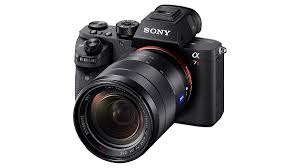

Mirrorless cameras rely on electronic viewfinders (EVFs) or rear LCD screens for composing and reviewing images, which consume more power compared to optical viewfinders found in DSLR cameras. As a result, mirrorless cameras often have shorter battery life, requiring photographers to carry extra batteries or recharge more frequently, especially during extended shooting sessions or when using power-intensive features like continuous autofocus.
2. Limited Lens Selection and Availability;
While the lens ecosystems for mirrorless camera have expanded rapidly in recent years, they may still lag behind DSLR systems in terms of lens variety and availability, particularly for specialized or niche lenses. Additionally, some mirrorless camera manufacturers offer proprietary lens mounts, limiting compatibility with third-party lenses and accessories compared to the more established DSLR lens market.
3. Potential for Overheating;

Mirrorless cameras disadvantages
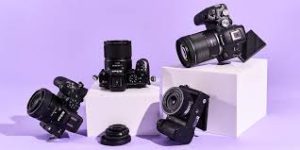
Mirrorless camera employ electronic viewfinders and sensor-based autofocus systems that can generate heat during prolonged use, particularly when shooting high-resolution video or capturing bursts of images in rapid succession. In certain environmental conditions, such as extreme heat or direct sunlight, mirrorless cameras may be prone to overheating, leading to performance degradation or temporary shutdowns to prevent damage to internal components.
4. Ergonomic Considerations;

Mirrorless cameras disadvantages
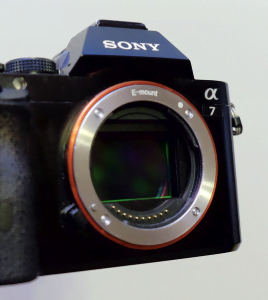
While mirrorless camera are praised for their compact size and lightweight design, these attributes can also be a double-edged sword in terms of ergonomics and handling comfort, especially for photographers with larger hands or those accustomed to the grip and balance of traditional DSLR cameras. The smaller form factor of mirrorless cameras may make them less stable when paired with larger lenses, leading to potential hand fatigue or difficulty maintaining steady shots over extended periods.
Summary
Because of their small size, cutting-edge technology, and adaptability, mirrorless cameras have become more and more popular in recent years. Before making a purchase, photographers should take into account their disadvantages, just like any other camera system.