oil
Nutritional Value of Olive Oils

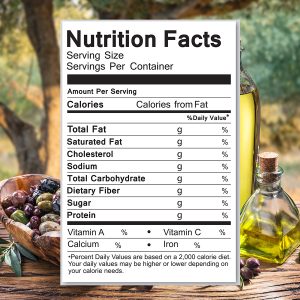

Nutritional value of oilve oils. They are nutrient-rich, multipurpose oils with many health and cosmetic advantages. Olive oils are an important part of any diet and personal care regimen, supporting everything from heart health and inflammation reduction to weight management, improving skin health, and safeguarding cognitive function. A better lifestyle and increased well-being can result from incorporating olive oil into your everyday routine.
NUTRITIONAL VALUE OF OLIVE OILS
Despite being rich in calories and lacking in carbohydrates and protein, olive oil is a staple of the Mediterranean diet because of its high quantity of heart-healthy monounsaturated fats (such oleic acid) and antioxidants (polyphenols, vitamin E, and vitamin K). About 120 calories, 14g fat (mainly MUFAs), and essential antioxidants that promote heart health, lower inflammation, and strengthen immunity can be found in one tablespoon.
1. Heart Health;


Olive oils are high in monounsaturated fats, particularly oleic acid, which is known for its heart-protective properties. These healthy fats help reduce bad cholesterol (LDL) levels while maintaining or even increasing good cholesterol (HDL) levels. Regular consumption of olive oil has been linked to a lower risk of heart disease, reduced blood pressure, and improved overall cardiovascular health.
2. Anti-Inflammatory Properties;


Olive oils contains powerful antioxidants, such as oleocanthal, which have anti-inflammatory effects similar to those of ibuprofen. Chronic inflammation is a key driver of many diseases, including heart disease, cancer, and arthritis. By reducing inflammation, olive oils helps protect the body from these chronic conditions, promoting overall health and longevity.
3. Skin Health and Anti-Aging;
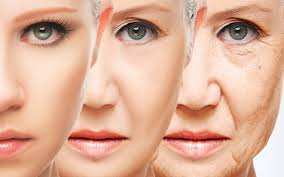

Rich in vitamins E and K, as well as a host of antioxidants, olive oils are superb natural moisturizer for the skin. It helps to hydrate and nourish the skin, reducing dryness and improving elasticity. Its antioxidants combat free radicals, which can cause premature aging, thereby reducing the appearance of wrinkles and fine lines. Applying olive oil to the skin can also help soothe conditions like eczema and psoriasis.
4. Weight Management;
Despite being a fat, olive oils can be beneficial for weight management. The monounsaturated fats in olive oil are known to increase feelings of fullness, which can help reduce overall calorie intake. Studies have shown that a diet rich in olive oils can aid in weight loss and help prevent weight gain when combined with a balanced diet and healthy lifestyle.
5. Brain Health;


NUTRITIONAL VALUE OF OLIVE OILS
The antioxidants and healthy fats in olive oils are beneficial for brain health. Olive oils consumption has been linked to a reduced risk of cognitive decline and Alzheimer’s disease. The anti-inflammatory and antioxidant properties of olive oils help protect the brain from oxidative stress and inflammation, which are contributors to neurodegenerative diseases. Regular intake of olive oils supports memory, learning, and overall cognitive function.
How to Use it;


NUTRITIONAL VALUE OF OLIVE OILS
– Cooking:
Use olive oils for sautéing, roasting, and grilling. Its high smoke point makes it suitable for various cooking methods.
– Salad Dressings:
Drizzle extra virgin olive oil over salads and vegetables for added flavor and nutrition.
– Skin Care:


NUTRITIONAL VALUE OF OLIVE OILS
Apply a small amount of olive oils directly to the skin as a moisturizer or mix it with your favorite skincare products.
– Hair Care:
Use olive oils as a deep-conditioning treatment by massaging it into the scalp and hair, then rinsing after 30 minutes.
Summary
A mainstay of the Mediterranean diet, olive oil is well known for its many applications and outstanding health benefits. This golden oil, which is extracted from the olive tree’s fruit, is full of vital minerals, antioxidants, and monounsaturated fats. The main advantages of olive oil are as follows: