Grain
Nutritional Value of Quinoa

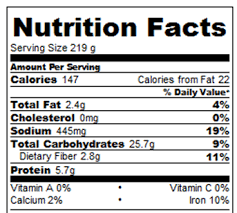

Nutritional value of quinoa. It is a useful complement to current diets because of its ancient roots and contemporary appeal. Its significance as a superfood is highlighted by its strong nutritional profile, culinary versatility, and environmental advantages. Quinoa is a flexible and beneficial alternative that may improve any meal, whether you want to increase your protein consumption, look into gluten-free options, or just enjoy new flavors.
NUTRITIONAL VALUE OF QUINOA
Quinoa is a very nutrient-dense food that is high in fiber, complete protein, and important minerals including phosphorus, manganese, and magnesium. In addition to essential B vitamins, iron, and zinc, a single cup of cooked quinoa contains roughly 222 calories, 8 grams of protein, and 5 grams of fiber. It is a flexible and healthful dietary staple because it is naturally gluten-free and a strong source of antioxidants.
Nutritional Excellence;

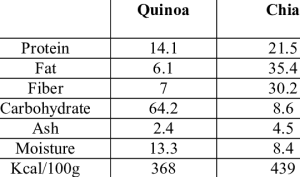
nutritional value of quinoa
Quinoa as a superfood, is renowned for its impressive nutritional profile. It is a complete protein, containing all nine essential amino acids, which makes it an excellent protein source for vegetarians and vegans. Rich in fiber, quinoas aids in digestion and helps maintain a healthy weight by promoting a feeling of fullness. It is also packed with essential vitamins and minerals, including magnesium, iron, potassium, and B vitamins. Additionally, quinoas are gluten-free, making it a suitable option for those with celiac disease or gluten intolerance.
Culinary Versatility;
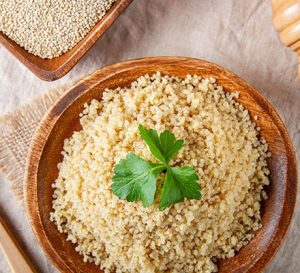

One of quinoa’s most appealing features is its versatility in the kitchen. It has a mild, nutty flavor and a slightly crunchy texture, which makes it a perfect addition to a variety of dishes. Quinoa can be eaten as a side dish or as a foundation for soups, stews, and salads. It can also be added to baked dishes, desserts, and breakfast bowls. Quinoa flour is increasingly popular in gluten-free baking, offering a nutritious alternative to traditional wheat flour.
Cooking Quinoa;
Cooking quinoa is straightforward and similar to cooking rice. It typically requires a ratio of one part quinoa to two parts water. After rinsing to remove its natural coating, saponin, which can be bitter, quinoa is boiled and then simmered for about 15 minutes until the grains are tender and translucent. Fluffing it with a fork before serving enhances its texture.
Sustainable Agriculture;

nutritional value of quinoa
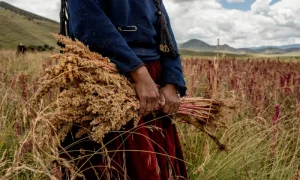
Quinoa is not only beneficial for our health but also for the environment. It is a hardy crop that can thrive in harsh conditions, including poor soil quality and extreme altitudes. Quinoa’s resilience reduces the need for chemical fertilizers and pesticides, making it a sustainable crop choice. Furthermore, its cultivation supports biodiversity and the livelihoods of small-scale farmers in the Andean region.
Summary
For more than 5,000 years, the Andean region of South America has grown this nutrient-rich seed. Quinoa, which the ancient Incas revered as the “mother of all grains,” has become well-known throughout the world for its remarkable health advantages and culinary adaptability.