Lifestyle
Obesity and lifestyles

Obesity and lifestyles. The primary cause of obesity, a worldwide health issue when excess fat builds up as a result of calorie intake surpassing expenditure, is lifestyle factors. Major reasons include poor eating habits (processed foods, sugar-filled beverages), inactivity, excessive screen time, sleep deprivation (less than seven hours), and chronic stress. It can be managed with dietary changes, behavior therapy, and more than 150–300 minutes of moderate exercise each week.
OBESITY AND LIFESTYLES
A complicated and multifaceted disorder, obesity is impacted by a number of lifestyle variables. A comprehensive strategy that prioritizes getting enough sleep, encourages regular physical activity, promotes healthy eating habits, and successfully manages stress is needed to address the underlying causes of obesity. Individuals and communities may fight obesity and improve health by adopting healthy lifestyle choices and creating surroundings that promote wellbeing.
Sedentary Behavior


Modern lifestyles often involve prolonged periods of sitting, whether at work, during leisure time, or while commuting. Sedentary behavior reduces energy expenditure and contributes to weight gain, especially when coupled with excessive calorie intake. Lack of physical activity not only leads to weight gain but also increases the risk of chronic diseases such as heart disease, diabetes, and certain cancers.
Poor Dietary Habits
Unhealthy dietary habits, characterized by the consumption of calorie-dense, nutrient-poor foods, are major contributors to obesity. Diets high in processed foods, sugary beverages, fast food, and snacks laden with salt, sugar, and unhealthy fats promote weight gain and undermine overall health. Additionally, oversized portions and frequent eating out contribute to excessive calorie intake, making it difficult to maintain a healthy weight.
Lack of Sleep


Obesity and lifestyles
Sleep plays a crucial role in regulating appetite, metabolism, and energy balance. Chronic sleep deprivation disrupts these regulatory mechanisms, leading to increased hunger and cravings for high-calorie foods. Moreover, tiredness and fatigue may reduce motivation for physical activity, further exacerbating weight gain. Poor sleep quality and inadequate sleep duration have been linked to obesity and metabolic disorders, highlighting the importance of prioritizing sleep for overall health.
Stress and Emotional Eating
Stressful lifestyles and emotional upheavals can trigger overeating and unhealthy eating behaviors. Many individuals turn to food as a coping mechanism to alleviate stress, anxiety, or boredom, often consuming calorie-rich comfort foods high in sugar and fat. Emotional eating can lead to a vicious cycle of weight gain and negative emotions, perpetuating unhealthy habits and increasing the risk of obesity-related health complications.
Environmental Factors

Obesity and lifestyles
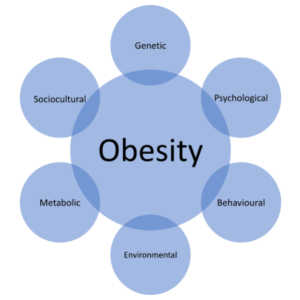
Environmental factors, such as food accessibility, affordability, and marketing, also influence dietary choices and obesity rates. The ubiquity of fast food outlets, vending machines, and convenience stores makes unhealthy food options readily available, while healthier alternatives may be less accessible or more expensive. Moreover, pervasive food advertising, especially targeting children, promotes the consumption of unhealthy foods, further exacerbating the obesity epidemic.
Summary
Lifestyle factors are the main cause of obesity, a global health concern when extra fat accumulates due to calorie consumption exceeding expenditure. Poor eating habits (processed foods, sugar-filled beverages), inactivity, excessive screen time, insufficient sleep (less than seven hours), and long-term stress are major causes. Dietary adjustments, behavior treatment, and 150–300+ minutes of moderate activity per week are necessary to manage it.