Skin health
Peptides and Skincare

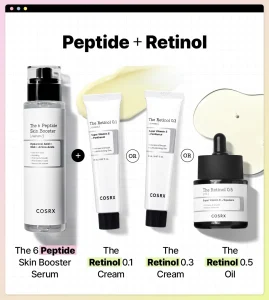

Peptides and skincare. Short strands of amino acids, the building blocks of proteins, are called peptides. Peptides are crucial to skincare because they instruct the skin to carry out a number of tasks, including the production of collagen, which is necessary to preserve the skin’s suppleness and structure. As we age, our bodies naturally produce less collagen, which causes wrinkles, sagging, and a loss of firmness. Peptides stimulate the skin to create more collagen and elastin, which helps fight these indications of aging.
PEPTIDES AND SKINCARE
With a variety of advantages ranging from hydration and skin restoration to anti-aging, peptides are an effective supplement to any skincare regimen. through promoting more collagen production in the skin. Peptides also support the skin’s natural barrier, which keeps the skin looking young and healthy. Whether you want to improve your regimen or are new to skincare. The appearance and texture of your skin can be significantly improved by using peptides.
Benefits of it in Skincare;
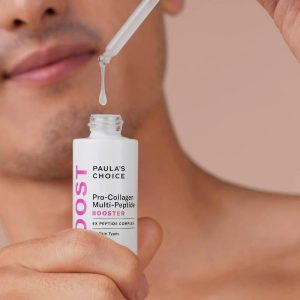

There are best known for their anti-aging properties. By boosting collagen production, they help reduce the appearance of fine lines and wrinkles, giving the skin a firmer, smoother look.
– Improved Skin Barrier:
there support the skin’s barrier function, which protects against environmental damage, moisture loss, and irritation. A strong skin barrier is essential for healthy, resilient skin.
– Hydration:
Some of it can improve the skin’s ability to retain moisture, leading to plumper, more hydrated skin. This is particularly beneficial for dry or dehydrated skin types.
– Anti-Inflammatory Effects:
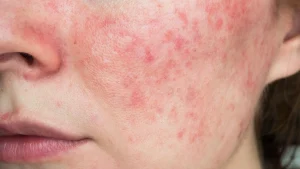

Certain peptides have anti-inflammatory properties, which can help calm the skin and reduce redness, making them a good choice for those with sensitive or acne-prone skin.
– Enhanced Skin Repair:
It can aid in the skin’s natural repair process, helping to heal damaged or compromised skin. This can be especially useful after procedures like chemical peels or laser treatments.
Types;

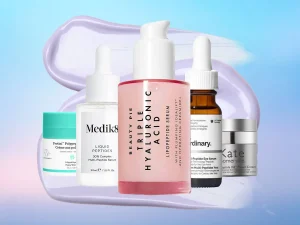
Peptides and skincare
– Signal Peptide:
These peptides send signals to the skin to produce more collagen, elastin, and other proteins that help maintain the skin’s youthful appearance.
– Carrier Peptide:
this deliver essential trace elements, like copper, to the skin, boosting its healing and regeneration processes.
– Enzyme-Inhibitor Peptide:

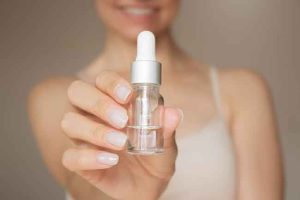
Peptides and skincare
These type inhibit the enzymes that break down collagen in the skin. Helping to preserve the skin’s firmness and elasticity over time.
– Neurotransmitter Peptide:
Sometimes referred to as “botox in a bottle,” these type work by temporarily relaxing facial muscles, reducing the appearance of wrinkles and fine lines.
How to Incorporate it;

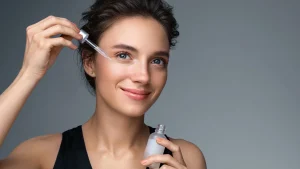
Peptides and skincare
There are are typically found in serums, moisturizers, and eye creams. To get the most out of your peptide-containing products:
– Apply Consistently:
Use peptide-rich products daily, both in the morning and at night, for the best results. Consistency is key to seeing improvements over time.
– Pair with Other Active Ingredients:
Peptides work well with other skincare ingredients like hyaluronic acid, niacinamide, and antioxidants. However, be cautious when layering peptides with strong acids, as this may reduce their effectiveness.
– Store Properly:
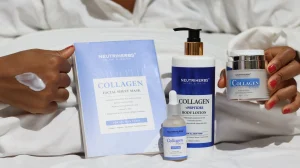

Peptides can be sensitive to light and air. So it’s essential to store your products in a cool, dark place and use them within the recommended time frame to ensure potency.
Summary
With good reason, peptides have gained popularity in the skincare sector. With a variety of advantages that can aid with everything from hydration to anti-aging, these microscopic proteins are essential for maintaining healthy skin. You can decide whether or not to include peptides in your skincare regimen by being aware of what they are and how they function.