Lifestyle
The Benefits of Happiness

THE BENEFITS OF HAPPINESS
Sadly, many people mistake happiness for an indulgent feeling limited to the present moment—warm fuzzy feelings and tingling in the spine.
However, an increasing body of research is demonstrating the wonderful advantages of happiness. It benefits us greatly and permeates many significant facets of life. It might be difficult to define happiness since it is a subjective emotional experience that is different for everyone.
In general, two primary elements make up happiness:
Overall, feeling more happy than negative emotions is the emotional equilibrium.
Life satisfaction refers to how content we are with various aspects of our lives, including our relationships, careers, hobbies, and the degree to which our lives are in line with our moral principles.

What is Happiness?
Happiness refers to our general sense of purpose and fulfillment in life, and it goes beyond simply being the absence of melancholy. It is possible to be happy and still feel detached, uninterested, or numb.


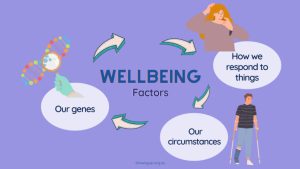
To what extent can we influence our happiness?
Numerous outstanding studies have examined happiness, how we perceive it, and most importantly, what we can do to cultivate and preserve our happiness and well-being.
Among the important tactics noted in the research body are:
cultivating a thankful mindset
Assisting others
Maintaining our physical well-being by getting enough sleep and exercising
The benefits of happiness
Here are some key takeaways:
1. It can strengthen your bonds with others.
2. It can increase your output: When you’re feeling good, you can generate more.
3. It may encourage healthier lifestyle choices: People who are happier exercise more.
4. It may result in improved immunological response: Happier People tend to be more resilient to colds and even heal wounds more quickly.
Counseling and Psychological Services