Sound
Tips for Pronouncing “R” Sound

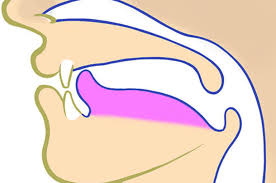

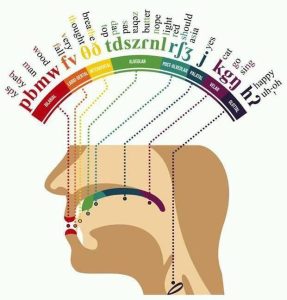
Tips for pronouncing “R” sound. The English “R” can be spoken by pulling your tongue back and bunching it up (sides touching back teeth) or by curling the tip back, slightly rounding your lips, and allowing air to flow without the tongue tip touching the roof of your mouth; Practice the tongue-back, lips-forward sound of “ra, re, ri, ro, ru” and words like “red,” “carrot,” and “right,” paying particular attention to tongue tension and lip rounding for consistency.
TIPS FOR PRONOUNCING “R” SOUND
Pronouncing the letter “R” incorrectly is a widespread problem with a number of possible explanations. Most people can greatly enhance their ability to enunciate this sound clearly with focused speech therapy, practice, and, when required, medical assistance.
Many people struggle with pronouncing the “R” sound, a common speech challenge that can impact communication and confidence. This difficulty can stem from various causes, including speech development issues, anatomical variations, and neurological conditions.
Causes;

TIPS FOR PRONOUNCING “R” SOUND
1. Speech Development Issues:
For young children, difficulty with the “R” sound often falls within the normal range of speech development. Children typically master this sound between the ages of 6 and 8. Delays or difficulties in this process can be due to the natural progression of language acquisition.
2. Articulation Disorders:
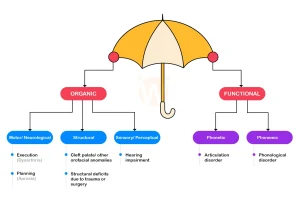

Conditions such as rhotacism (difficulty producing the “R” sound) are often related to articulation disorders. These issues can occur when the speech organs (tongue, lips, and palate) do not coordinate effectively to produce the sound.
3. Anatomical Variations:
Some individuals may have anatomical variations, such as a high or low palate, or a short frenulum (the tissue connecting the tongue to the bottom of the mouth), which can affect their ability to produce the “R” sound.
4. Neurological Conditions:


TIPS FOR PRONOUNCING “R” SOUND
In some cases, neurological conditions can impact the ability to articulate sounds correctly. Conditions such as cerebral palsy or other motor speech disorders may affect the coordination required for producing the “R” sound.
Remedies;
The most effective remedy for difficulties with the “R” sound is speech therapy. A speech-language pathologist (SLP) can work with individuals to develop strategies for improving articulation. This often involves exercises to strengthen the muscles used in speech and techniques to improve the coordination of the tongue and palate.
2. Practicing Sounds:

TIPS FOR PRONOUNCING “R” SOUND
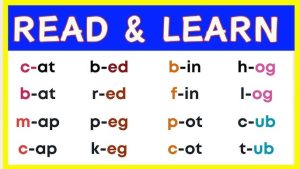
Regular practice with specific exercises can help. Techniques such as repeating “R” sound words, tongue placement drills, and mimicking the sound with visual aids can be beneficial.
3. Correcting Anatomical Issues:
If anatomical variations are identified, consulting with an orthodontist or oral surgeon may be necessary. In some cases, corrective procedures can help improve speech production.
4. Building Awareness:

TIPS FOR PRONOUNCING “R” SOUND
Sometimes, individuals benefit from becoming more aware of their speech patterns. Techniques such as recording and listening to one’s speech can help identify patterns and areas for improvement.
Summary
Your tongue must be positioned correctly in order to produce the R sound. To gently touch the back teeth on either side of your mouth, lift the back of your tongue. To let air pass over it, the middle portion of the rear of your tongue should be lower. Your tongue’s tip may curl slightly, but it won’t come into contact with your lips or mouth. You’ll have a tight tongue. It won’t come loose.