tea
Tisanes side effects

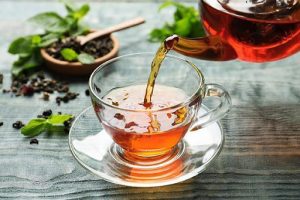
Tisanes side effects. Herbal teas are a powerful concoction that can improve your mental, emotional, and physical health in addition to being a calming beverage. from strengthening immunity and offering antioxidant defense to encouraging rest and digestive wellness. Numerous health advantages of herbal tea might help you on your path to complete wellness. Whether you’re enjoying a cool mixture of peppermint and ginger after a meal or taking a cup of chamomile before bed. One easy yet effective way to feed your body and soul is to incorporate herbal tea into your daily routine. So why not enjoy the numerous health advantages that herbal teas have to offer and brew a cup of herbal deliciousness today?
TISANES SIDE EFFECTS
In general, many people can benefit from adding herbal tea to their healthy lifestyle. However, before adding herbal teas to your routine, it’s crucial to take into account your unique health state, allergies, prescriptions, and other issues. When in doubt, seek the advice and recommendations of a certified herbalist or healthcare expert.
While herbal tea offers numerous health benefits, it may not be suitable for everyone in certain situations. Here are some considerations to keep in mind:
1. Allergies and Sensitivities:


Some individuals may have allergies or sensitivities to certain herbs or botanicals used in herbal tea blends. It’s essential to be aware of any known allergies or sensitivities and to check the ingredients list before consuming herbal teas.
2. Medication Interactions:
Herbal teas may interact with certain medications, either by enhancing or inhibiting their effects. For example, herbs like St. John’s Wort and echinacea can interact with various medications, including blood thinners, antidepressants, and immunosuppressants. It’s crucial to consult with a healthcare professional before consuming herbal teas, especially if you are taking medications or have underlying health conditions.
3. Pregnancy and Breastfeeding:


Tisanes side effects
While many herbal teas are safe for consumption during pregnancy and breastfeeding, some herbs may pose risks to expectant or nursing mothers. For example, herbs like chamomile, ginger, and peppermint are generally considered safe during pregnancy, while others like licorice root and sage should be avoided or consumed in moderation. It’s best to consult with a healthcare provider before consuming herbal teas during pregnancy or breastfeeding.
4. Children and Infants:
Herbal teas may not be suitable for young children and infants, as their bodies may not metabolize certain herbs effectively. It’s essential to exercise caution and consult with a pediatrician before giving herbal teas to children or infants.
5. Individual Tolerance:

Tisanes side effects
Some individuals may experience gastrointestinal upset or other adverse reactions to certain herbs or herbal tea blends. It’s essential to listen to your body and discontinue use if you experience any negative side effects.
Summary
Although tisanes, or herbal teas, are typically calming and caffeine-free, they can nevertheless have negative consequences like allergic reactions, upset stomachs (nausea, cramps), or drug interactions. Researching the precise ingredients in your blend is crucial because specific dangers vary greatly depending on the herbs utilized.