
Uncategorized
Parasitic Infections: Understanding, Preventing, and Treating Them


Parasitic infections are caused by organisms that live on or inside a host, drawing nutrients at the host’s expense. These infections are prevalent worldwide, with certain types more common in tropical and subtropical regions. While some parasitic infections cause mild discomfort, others can lead to severe illness or death if left untreated.
What Are Parasitic Infections?
Parasites are organisms that depend on a host for survival. Parasitic infections occur when these organisms invade the body, leading to various health problems. Parasites can be classified into three main types:
1. Protozoa: Single-celled organisms that multiply within the host, such as Plasmodium (malaria) and Giardia lamblia.
2. Helminths: Multicellular worms, such as tapeworms, roundworms, and flukes.
3. Ectoparasites: External parasites like lice, mites, and ticks.
Common Types of Parasitic Infections
1. Malaria
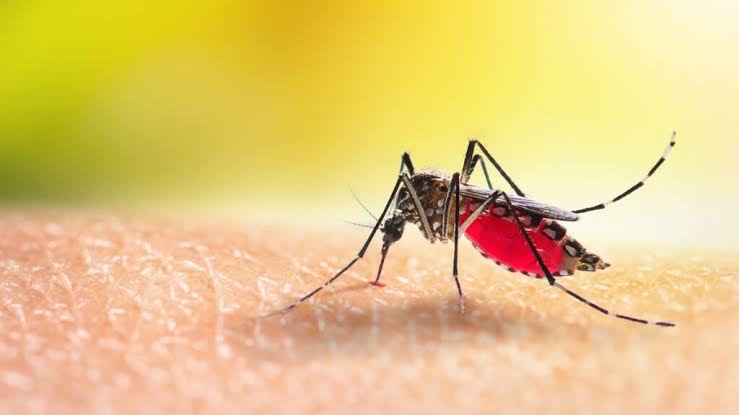
– Caused by Plasmodium parasites transmitted through mosquito bites.
– Symptoms include fever, chills, and fatigue, which can progress to severe complications if untreated.
2. Giardiasis

– Caused by Giardia lamblia through contaminated water or food.
– Symptoms include diarrhea, stomach cramps, and bloating.
3. Toxoplasmosis
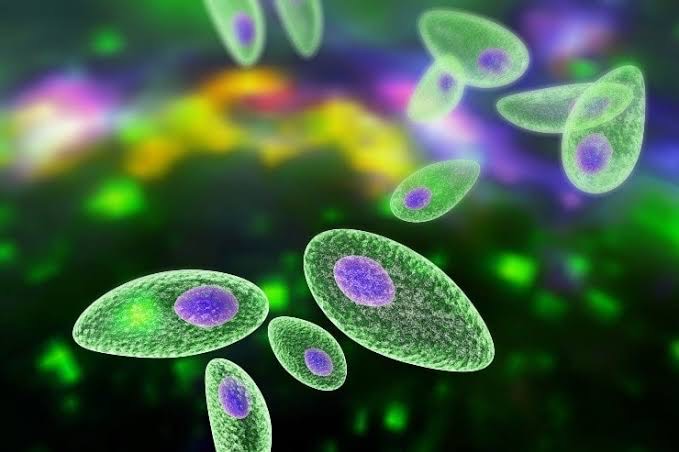
– Caused by Toxoplasma gondii, often through undercooked meat or contact with infected cat feces.
– Dangerous for pregnant women and individuals with weakened immune systems.
4. Ascariasis

– Caused by Ascaris lumbricoides, a type of roundworm.
– Common in areas with poor sanitation, leading to abdominal pain, malnutrition, and intestinal blockages.
5. Schistosomiasis

– Caused by blood flukes (worms) found in freshwater in certain regions.
– Symptoms include rash, fever, and long-term organ damage.
6. Lice and Scabies

– Ectoparasites that cause itching and skin irritation.
– Spread through close contact or shared clothing and bedding.
How Do Parasitic Infections Spread?
Parasitic infections spread through:
– Contaminated food or water
– Insect bites (e.g., mosquitoes, ticks)
– Poor hygiene and sanitation
– Contact with infected soil, feces, or animals
Symptoms of Parasitic Infections
Symptoms vary depending on the parasite but may include:
– Diarrhea or constipation
– Abdominal pain and bloating
– Fatigue and weakness
– Itching or rash
– Fever and chills
– Weight loss
– Neurological symptoms (in severe cases)
Prevention of Parasitic Infections
1. Maintain Hygiene:
– Wash hands thoroughly with soap and water before eating and after using the toilet.
– Avoid touching your face with unclean hands.
2. Safe Food Practices:
– Cook meat thoroughly and wash fruits and vegetables before consumption.
– Avoid eating raw or undercooked seafood in high-risk areas.
3. Clean Water Access:
– Drink clean, filtered, or boiled water.
– Avoid swimming in or drinking from contaminated water sources.
4. Insect Protection:
– Use insect repellents and bed nets in areas prone to mosquito-borne diseases.
– Wear protective clothing to avoid insect bites.
5. Sanitation:
– Properly dispose of waste and avoid open defecation.
– Educate communities on hygiene practices.
Diagnosis and Treatment
Parasitic infections are diagnosed through laboratory tests, including stool samples, blood tests, and imaging. Treatment depends on the type of parasite and may involve:
– Antiparasitic Medications: Drugs like albendazole, ivermectin, or artemisinin for specific parasites.
– Symptomatic Treatment: Rehydration for diarrhea and antipyretics for fever.
– Surgical Intervention: In rare cases, for severe complications like intestinal blockages.
Conclusion
Parasitic infections pose a significant health challenge, especially in regions with poor sanitation and limited healthcare access. However, with proper hygiene, safe food and water practices, and public health interventions, many of these infections can be prevented. Early diagnosis and treatment are critical to managing symptoms and preventing long-term complications. Staying informed and vigilant is key to reducing the burden of parasitic infections globally.

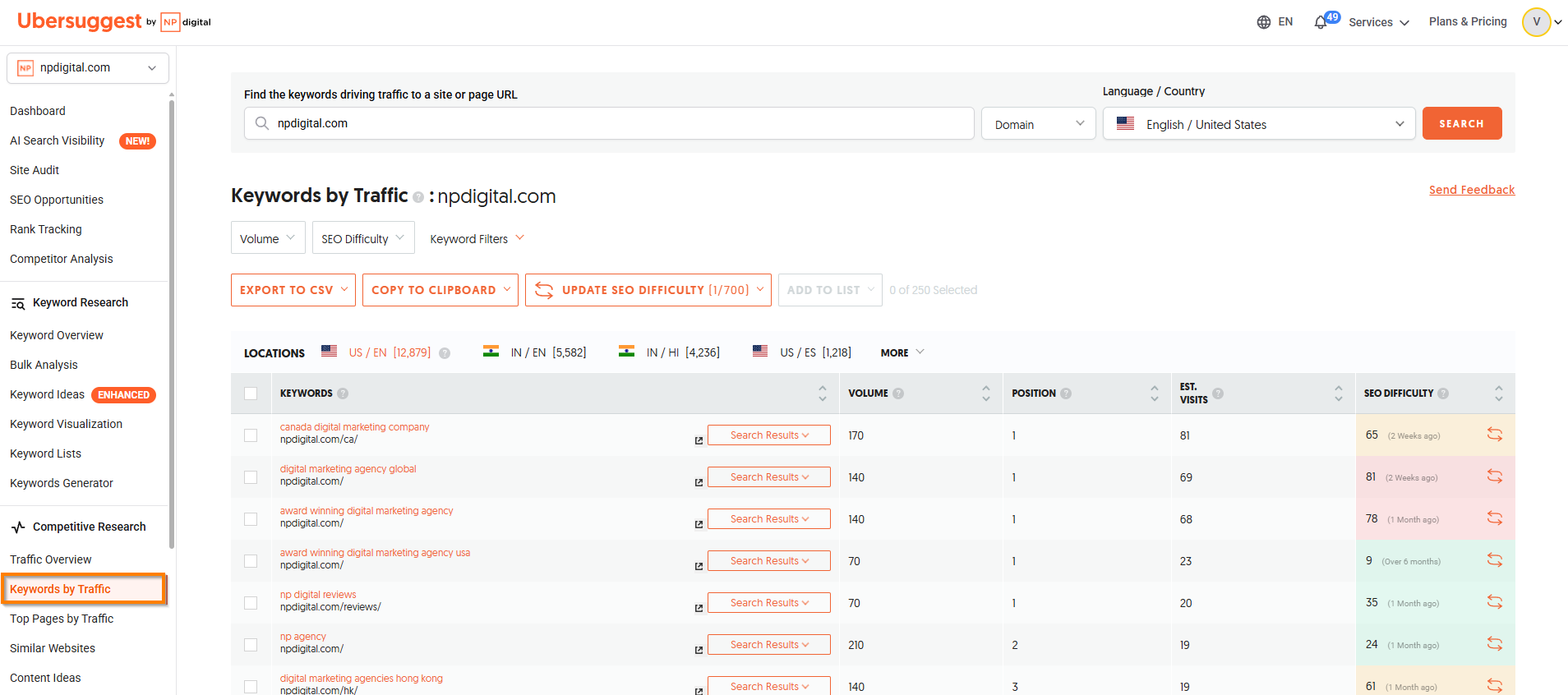
Ranking keywords and traffic site. When someone searches for a specific term, a webpage’s precise location on a Search Engine Results Page (SERP) or AI answer engine is referred to as keyword ranking. The main objective of SEO is to achieve high ranks (positions 1–10 on page one) in order to generate organic traffic.
RANKING KEYWORDS AND TRAFFIC SITE
Use sophisticated SEO and digital intelligence tools to find out which keywords your website ranks for and how much traffic they generate. Your precise ranking positions, search volumes, and anticipated visitor traffic are all revealed by these platforms’ analysis of search engine results.
Here are some effective methods to find high-ranking key phrases:
1. Keyword Research Tools;

Utilize keyword research tools such as Google Keyword Planner, SEMrush, Ahrefs, Moz Keyword Explorer, and Ubersuggest to identify relevant keyword with high search volumes and low competition. These tools provide insights into keyword trends, search volume, competition level, and related keywords, helping you discover valuable opportunities to target.
2. Analyze Competitors;
Conduct competitive analysis by identifying your competitors’ websites and analyzing their keyword strategies. Tools like SEMrush and Ahrefs allow you to view the keywords that your competitors are ranking for, providing valuable insights into the keywords driving traffic to their sites. Analyze their content and identify gaps or opportunities where you can create better, more targeted content.
3. Long-Tail Keywords;

Ranking keywords and traffic site
Target long-tail keywords, which are longer and more specific keyword phrases that typically have lower competition and higher conversion rates. Long-tail keywords can help you attract highly targeted traffic and capture users who are closer to making a purchasing decision. Use keyword research tools to identify relevant long-tail keyword that align with your content and target audience.
4. Google Search Console;
Use Google Search Console to monitor your website’s performance in search results and identify keyword that are driving traffic to your site. Review the search queries report to see which keywords users are using to find your site. And optimize your content to capitalize on these keywords further.
5. Social Media and Forums;

Ranking keywords and traffic site
Monitor social media platforms, online forums, and Q&A websites in your industry to identify trending topics. Questions, and discussions relevant to your target audience. Pay attention to the language and keywords used by your audience. And incorporate them into your content strategy to attract more traffic from these channels.
6. Analyze Search Intent;
Consider the search intent behind specific keyword and tailor your content to meet users’ needs and expectations. Are users looking for information, products, or solutions to a problem? By understanding search intent, you can optimize your content to provide value and address users’ queries effectively, increasing your chances of ranking higher in search results.
Summary
It takes a combination of competitive analysis, target audience knowledge, and keyword research tools to obtain high-ranking keywords to boost site traffic.

Tips for creating Youtube channel. Google owns YouTube, an American website where users can share videos. On February 14, 2005, Chad Hurley, Jawed Karim, and Steve Chen—all former PayPal employees founded YouTube. With its headquarters located in San Bruno, California, it is the second most popular website worldwide, after Google.
TIPS FOR CREATING YOUTUBE CHANNEL
A watermark is a small image that shows up in the lower-right corner of every video. When people click or hover over the image, they will be prompted to subscribe to your YouTube channel. This image can be used as the logo for your channel or for any other branding reason you think would be appropriate for your content.
1. Create a Google Account;

Here’s where it all starts. It’s really easy to create a Google account if you haven’t already. All you have to do is fill in your nam
You next need to submit a few additional basic details about yourself.
2. Create a YouTube Channel in 4 Steps;
Setting up your YouTube channel won’t require much time. Simply adhere to the instructions below!
2. From the menu that appears, click your profile photo in the upper right corner and choose Create a Channel
3. Enter the name of your channel and upload a profile image.
4. In the lower right corner, select “Create Channel.”
Verify Your Phone Number with YouTube;
Verifying your phone number is the next step after creating your channel. You can now upload custom thumbnails, live stream, make films longer than fifteen minutes, and contest Content ID claims.
1. Click your profile image once more, then choose YouTube Studio from the menu to confirm your phone numbe
2. From the navigation bar on the left, select Settings
3. Click the Channel tab, then select Feature Eligibility
4. Select Verify Phone Number under Intermediate Features, then adhere to the on-screen instructions.
3. Find Your YouTube Niche;
The primary subject you’ll cover on your YouTube channel is your niche. The majority of viewers will watch your content for this reason as well, since certain viewers are drawn to particular subjects.
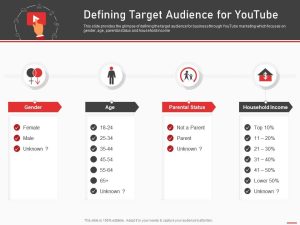
4. Identify Your Target Audience;
Tips for creating Youtube channel
Identifying your target audience for your videos becomes lot simpler once you’ve located your niche. You should take action on that as soon as possible.
5. Create a Value Proposition for Your Viewers;
You now know the subject matter of your channel and who your audience is. It’s time to promise everyone who views your material what you intend to do now.
6. Find Your Competitors on YouTube;
It’s critical for YouTube video creators to be aware of their rivals. It’s not like you have to fight with them constantly. Alternatively, attempt to outshine their films so that your channel receives more views than theirs.
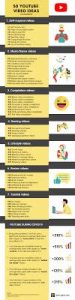
7. Create a List of Video Ideas;
Tips for creating Youtube channel
After compiling a list of potential videos, it’s time to see how popular each one is on YouTube. Researching potential keywords is one approach to achieve this. This is how you find out what terms people use to look for videos on YouTube.
8. Test Your Video Ideas with Keyword Research;
Having compiled a list of potential videos, it’s time to see how well-liked they are on YouTube. Researching keywords is one method you can accomplish this. This is the procedure for identifying the terms that users use to look for videos on YouTube.
Summary
A channel banner is an extended, horizontal image that appears at the top of your YouTube channel’s website. It will immediately communicate the subject of your videos if it is well-designed.
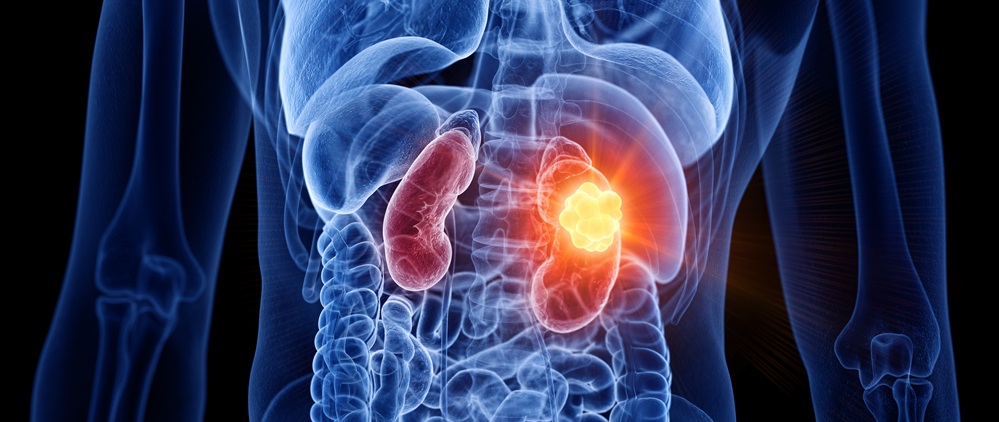
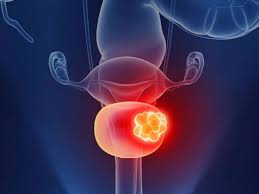
Bladder and kidney cancer treatment. Millions of people worldwide suffer from kidney and bladder cancers, which are among the most common types of urologic malignancies. Despite the fact that both malignancies start in the urinary system, there are particular difficulties with diagnosis, treatment, and prognosis. We will examine the complexities of kidney and bladder cancer in this thorough guide, providing information on risk factors, symptoms, diagnostic techniques, and potential treatments. People can increase their chances of survival and quality of life by being aware of certain illnesses and taking proactive measures for early detection and efficient treatment.
BLADDER AND KIDNEY CANCER TREATMENT
Cancers of the kidney and bladder provide serious difficulties for both patients and medical professionals. However, prompt action and early discovery can significantly enhance results. by being aware of the symptoms, risk factors, and available treatments for these illnesses. People can actively pursue early diagnosis, effective treatment, and prevention. The prognosis for patients with kidney and bladder cancer is improving due to continuous research and advances in medical technology, providing optimism for a better future in the battle against these cancers.
Risk Factors;
1. Smoking: Tobacco use is a significant risk factor for both kidney and bladder cancer. With smokers being at a higher risk compared to non-smokers.
2. Occupational Exposures: Certain occupations involving exposure to chemicals such as aromatic amines and polycyclic aromatic hydrocarbons (found in industries like dyeing, painting, and rubber manufacturing) increase the risk of bladder cancer.
3. Age: The risk of kidney and bladder cancer increases with age, with the majority of cases diagnosed in individuals over 50 years old.
4. Obesity:

Being overweight or obese is associated with an increased risk of kidney cancer.
5. Family History: A family history of kidney or bladder cancer can elevate an individual’s risk of developing these diseases.
6. Chronic Kidney Disease: Individuals with chronic kidney disease are at a higher risk of developing kidney cancer.
7. Gender: Men are more likely to develop kidney and bladder cancer compared to women.
Symptoms;
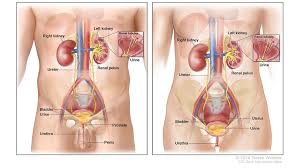
1. Blood in the Urine (Hematuria): One of the most common symptoms of both kidneys and bladder cancer is blood in the urine, which may be visible to the naked eye or detected through urine tests.
2. Persistent Pain: Persistent pain in the side or lower back can be a symptom of kidney cancer, while pain in the pelvic area may indicate bladder cancer.
3. Changes in Urinary Habits: This includes frequent urination, urgency, and difficulty urinating.
4. Fatigue and Weight Loss:

Unexplained fatigue and weight loss may occur in advanced stages of kidney or bladder cancer.
5. Swelling: Kidney cancer can sometimes cause swelling in the legs and ankles due to the buildup of fluid.
Treatment Options:
1. Surgery: Surgical removal of the tumor or the affected kidney (nephrectomy) or bladder (cystectomy) is often the primary treatment for localized kidney or bladder cancer.
2. Radiation Therapy: Radiation therapy may be used to target and destroy cancer cells. Either alone or in combination with surgery or chemotherapy.
3. Chemotherapy:
Chemotherapy drugs may be administered orally or intravenously to kill cancer cells or shrink tumors.
4. Immunotherapy: This treatment option uses drugs that stimulate the body’s immune system to recognize and attack cancer cells.
5. Targeted Therapy: Targeted therapy drugs specifically target cancer cells’ vulnerabilities, inhibiting their growth and spread.
Summary
Treatments for bladder cancer include radiation, chemotherapy, intravesical immunotherapy (BCG), TURBT (tumor removal), and cystectomy (bladder removal). Treatments for kidney cancer include immunotherapy, targeted treatments, ablation (freezing or heating tumors), and partial or radical nephrectomy. For individualized treatment approaches, both frequently need multidisciplinary care.

Nivea body wash for men

Business maintenance

Athlete conviction of murder

A Step-by-Step Guide to Deleting Reels on Instagram

A Comprehensive Guide to Setting Up a YouTube Premiere

How to Create a WhatsApp Group
-

 Health4 weeks ago
Carbonated drinks side effects
-

 Business4 weeks ago
Smart ideas for business startups
-

 Deodorants4 weeks ago
Reasons for wearing deodorants
-

 Deodorants3 weeks ago
Reviewing tom ford oud
-

 Deodorants4 weeks ago
Review for saint laurent black
-

 Deodorants3 weeks ago
Varieties of perfumes for men
Pingback: Cat Feces: What It Can Tell You About Your Pet’s Health - SimplExplainer