Educational
Understanding Music Genres: A Brief Overview

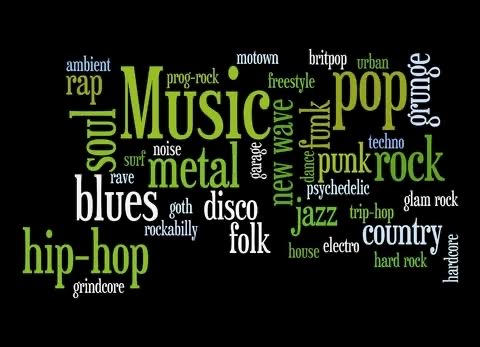
Music genres are categories that define and group music based on shared characteristics such as rhythm, melody, and instrumentation. These genres help listeners and artists identify the style and tone of music.
One of the oldest and most influential genres is classical music, known for its complex compositions and orchestral arrangements. It spans several centuries and includes works by composers like Mozart and Beethoven.

Jazz Music
Jazz emerged in the early 20th century, characterized by improvisation and strong rhythms, while blues focuses on expressive guitar playing and emotional lyrics.

Rock Music Genres
Rock evolved from blues in the 1950s, featuring electric guitars and energetic performances. Meanwhile, pop music blends various styles and appeals to a broad audience with catchy melodies and lyrics.

Hip Hop Music genre
Hip-hop, originating in the 1970s, is known for rhythmic beats and spoken-word lyricism, often addressing social issues. Electronic dance music (EDM), on the other hand, uses digital tools to create dynamic beats and is popular in clubs and festivals.

Music genre constantly evolve, blending to form new styles, and remain a central part of human culture, expression, and creativity.







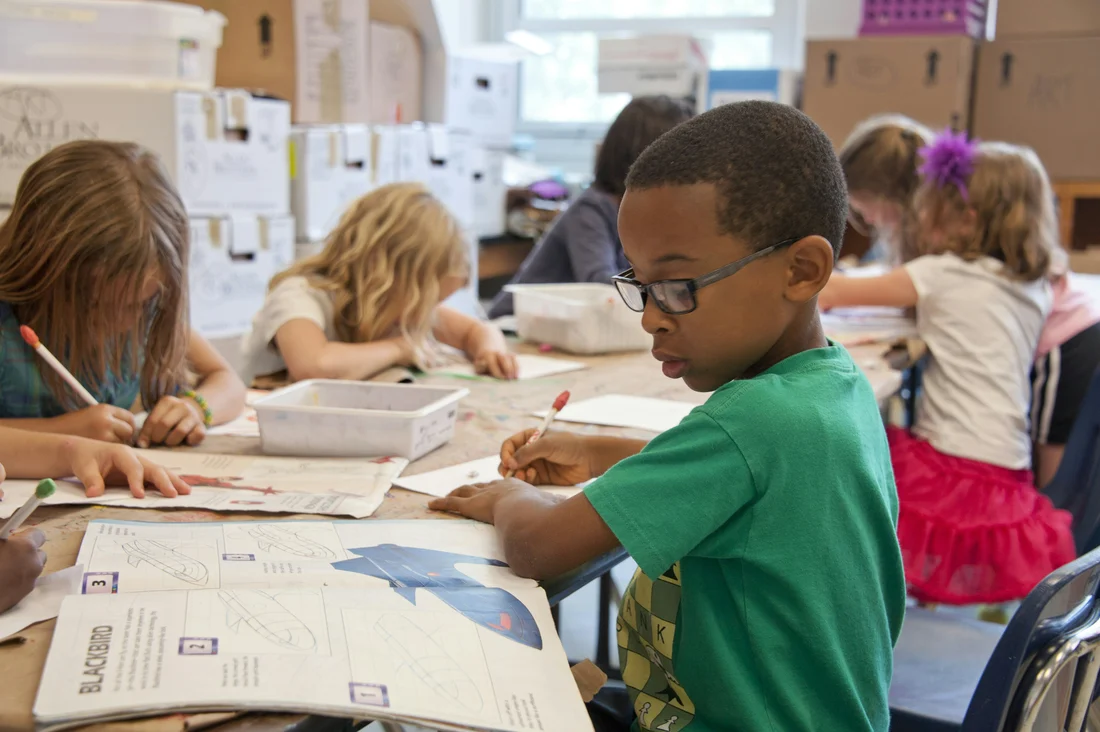
How to Facilitate Children Education. Child education is the process of supporting children’s learning and development, often from early infancy to puberty. Among other stages, it covers early childhood education, primary education, and secondary education. Early childhood education aims to provide young children with the experiences, values, knowledge, and skills they need to develop into well-rounded individuals and active members of society.
HOW TO FACILITATE CHILDREN EDUCATION
The fundamental cognitive, social, and emotional abilities necessary for a person’s success and well-being throughout life are developed through child education.
1. Foundation for Future Learning:
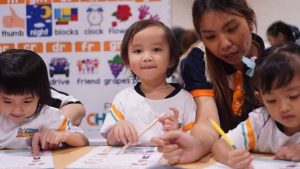
By encouraging curiosity, critical thinking, and a love of learning, early education sets the groundwork for a child’s lifetime learning journey. Cognitive Development: Getting a good education improves cognitive abilities including memory, reasoning, and problem-solving, all of which are essential for both academic and personal success.
2. Socialization:
School settings give kids the chance to engage with classmates, hone their social skills, and discover cooperation, empathy, and dispute resolution. Personal development: Child education promotes self-worth, resiliency, and the capacity to establish and meet objectives.
3. Understanding diverse cultures

How to Facilitate Children Education
history and viewpoints foster open-mindedness and equip kids to live as global citizens in a connected world. This is known as global awareness. employment options: A child’s quality of life is eventually improved by a solid education, which opens doors to better employment options and higher earning potential.
4. Health and Well-Being:
Education provides children with vital life skills, such as health literacy, which empowers them to make knowledgeable decisions regarding their health. Improving Poverty: Since educated people are more likely to be able to find steady work and support economic progress, education can be a very effective instrument in ending the cycle of poverty.
5. Innovation and Advancement:

How to Facilitate Children Education
Those with education propel innovation and advance society by bringing new perspectives, cutting-edge research, and specialized knowledge from a variety of backgrounds. Setting Up a Strategic Plan for Your Child’s Dreams Careful preparation is the first step in protecting your child’s future. To begin with, try to comprehend the goals and desires of your child. Do they intend to pursue further education? Do they intend to pursue a specific career path? T
Start Early and Invest Wisely
When it comes to investing, time is your strongest ally. Your investments have more time to develop and compound if you start early. Over time, even modest payments might add up to a sizable amount. child development.
Summary
Creating a nurturing atmosphere at home, fostering curiosity, and fusing real-world experiences with active learning are all part of supporting a child’s education.
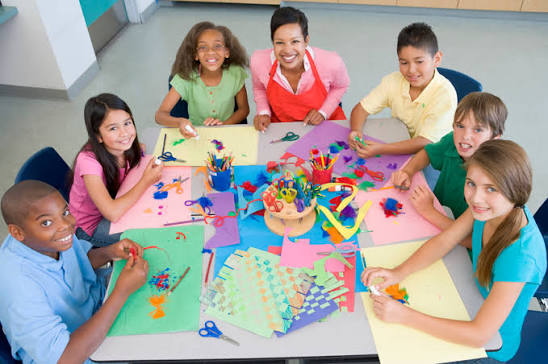
Schools and Arts Education. Art education is still frequently seen as an elective or extracurricular activity, despite evidence showing that it has many positive effects on mental health, brain development, cultural awareness, general learning, and more. Below, let’s examine the reasons why art education is essential to students’ entire development.
SCHOOLS AND ARTS EDUCATION
Drama, dance, music, and visual arts are all taught in schools. It fosters critical thinking, cultural sensitivity, and innovative problem-solving abilities in kids. However, money and time for arts programs around the world are frequently reduced due to budget cuts and an emphasis on basic academic examinations.
1. Further improvement and creativity

In addition to building creativity and invention abilities that are useful in a variety of academic subjects and future occupations, art education gives pupils the chance to express their thoughts and feelings in original and inventive ways.
2. Positive effects on brain development
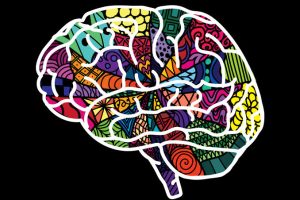
This have been demonstrated by research on the subject of art education. Students’ brains develop holistically when they participate in art-related activities because they activate several brain regions, including the motor and visual areas.
3. Knowledge of Cultural Diversity
Schools and Arts Education
Art is a useful instrument for learning about and appreciating various cultures. Students gain knowledge of the artistic mediums, fashions, and customs of many countries through art education, which promotes cross-cultural understanding.
4. Delivering critical thinking
Critical thinking and visual information analysis are fostered in art education. Through art, kids are able to develop critical thinking abilities that are beneficial in many facets of life, such as asking questions and making judgments.
5. Emotional Intelligence
Students may express and control their emotions in a positive and healthy way through art education. Students can explore their ideas and grow in self-awareness, and find authentic ways to express themselves via art.
6. Advances mental health
Schools and Arts Education
Students who may be dealing with stress, anxiety, or other mental health issues can find solace in art lessons offered at schools. Students can express themselves safely and constructively by channeling their emotions via art instruction. As a result, they may experience improved mental health outcomes and be able to better control their emotions. They may also feel more accomplished and valuable. improvements for overall motivation, thinking, and academic achievement.
Summary
Visual arts, music, dance, theater, and creative writing are all included in the field of arts education. By fostering emotional intelligence, cultural awareness, and creative thinking, it supports students’ development.

Single Sex Education Relevance. One of the pillars of a prosperous future for a child and the nation at large is education. The right attention must be given to every process that supports children’s mental development as they mature. Sending your child to an all-boys or all-girls school could have certain disadvantages. Since the benefits are much greater, we will look at them in more detail. Before delving too deeply into it, let’s briefly examine what single-sex schooling actually comprises.
SINGLE SEX EDUCATION RELEVANCE
Because it provides concentrated learning conditions, lessens social distractions, and encourages students to question conventional gender roles, single-sex education is still relevant today. However, detractors contend that it can hinder social preparation in the real world and perpetuate preconceptions, making its overall efficacy a topic of continuous discussion.
What is Single-Sex Education?
A system or institution of higher learning where only one gender is permitted is known as single-sex education. there are schools for girls only that admit no boys, and there are schools for boys only that admit no girls in some other locations.
Benefits;

1. Single sex education makes the classroom cozy for learning. Children find it simpler to feel at ease and concentrate on their studies when they attend single-sex schools and programs. As it promotes improved learning in kids, single-sex institutions make sure to give this element a lot of attention.
2. Diminished Comparability Male students are frequently compared to female students in mixed-gender schools, or the other way around. Although it might be against the school’s policies to do so, it can be difficult to firmly enforce this, particularly with young students.
3. Decreased harassment Bullying does not necessarily result in harm to the body. It can occasionally be more psychological and emotional than physical. Bullying between kids can occur in a school for girls, although it is much less common than in a mixed school. Additionally, there will undoubtedly be fewer issues for rivals to pick fights about.

Single Sex Education Relevance
4. Increased speech freedom With single-sex education, kids can freely express themselves in public or private without fear of negative judgment from people of the other gender. Kids also get to talk about the problems they are having in their classrooms or the school as a whole.
5. Lessening the use of the double standard In mixed schools, girls typically experience these challenges more than boys, particularly in relation to clothing and other lifestyle choices.
Summary
The practice of holding classes or schools where male and female students learn in different settings is known as single-sex education. Critics contend that it can hinder real-world social preparedness and perpetuate negative gender stereotypes, while supporters think it lessens social constraints and increases confidence.

The Health Advantages of Tomatoes

Animal Pets for Homes

The Value of Citrine Stone

A Step-by-Step Guide to Deleting Reels on Instagram

A Comprehensive Guide to Setting Up a YouTube Premiere