
Health
Lice: Causes, Symptoms, and Treatment

Lice are small, wingless parasitic insects that live on the human body and feed on blood. These pests are highly contagious and spread quickly through direct contact or shared personal items. Lice infestations, while not life-threatening, can cause discomfort, embarrassment, and inconvenience. Understanding how lice spread and how to treat them is essential for effective management.
Types of Lice
There are three main types of lice that infest humans:
1. Head Lice (Pediculus humanus capitis)

•Found on the scalp, particularly behind the ears and at the nape of the neck.
•Spread through direct head-to-head contact or shared items like hats, combs, or hair accessories.
2.Body Lice (Pediculus humanus corporis)

•Live in clothing and bedding, moving to the skin to feed.
•Common in unhygienic conditions or among people without access to clean clothing.
3.Pubic Lice (Pthirus pubis)

•Also known as “crabs,” these lice infest pubic hair but can also spread to other body hair.
•Primarily transmitted through sexual contact or shared towels and bedding.
Causes of Lice Infestations
Lice spread through:
> Close Contact: Prolonged physical contact with an infested person.
> Shared Personal Items: Using infested combs, brushes, hats, bedding, or towels.
> Crowded Environments: Schools, camps, and other close-contact settings facilitate lice transmission.
Symptoms of Lice Infestations
Lice infestations are characterized by:
1.Itching: Caused by an allergic reaction to lice bites.
2.Visible Lice or Nits:
•Nits (lice eggs) are tiny, white or yellowish, and attached to hair shafts or clothing seams.
•Adult lice are small (about the size of a sesame seed) and can be seen moving.
3.Red Bumps or Sores: Resulting from bites or excessive scratching.
Diagnosis of Lice
Diagnosis is typically made through visual inspection. A fine-toothed comb can help detect live lice or nits in hair. For body or pubic lice, a close examination of clothing, bedding, or affected body areas is necessary.
Treatment for Lice
1.Over-the-Counter (OTC) Treatments
•Medicated Shampoos or Lotions: Products containing permethrin or pyrethrins are effective against head lice.
•Nit Removal Combs: Use a fine-toothed comb to remove nits after treatment.
2.Prescription Medications
•Ivermectin or Malathion: Used for resistant infestations or when OTC treatments fail.
3.Cleaning and Hygiene
•Wash clothing, bedding, and personal items in hot water (at least 130°F or 54°C) and dry on high heat.
•Seal non-washable items in plastic bags for two weeks to kill lice.
4.Treat Close Contacts
•Anyone in close contact with an infested person should be treated to prevent reinfestation.
Preventing Lice Infestations
1.Avoid Sharing Personal Items: Do not share combs, brushes, hats, or bedding.
2.Regular Inspection: Check for lice and nits, especially in children, after potential exposure.
3.Education: Teach children and adults about avoiding head-to-head contact and sharing personal items.
Myths About Lice
1.Lice Are a Sign of Poor Hygiene:
•False. Lice infestations can occur in clean or dirty hair and are not related to personal hygiene.
2.Lice Can Jump or Fly:
•False. Lice cannot jump or fly; they spread through direct contact.
3.Pets Can Spread Lice:
•False. Human lice do not infest pets, and vice versa.
When to See a Doctor
If lice persist after treatment or if secondary infections from scratching occur, consult a healthcare provider. Prescription treatments may be necessary for severe infestations or resistant lice.
Conclusion
Lice infestations are common and can be effectively managed with proper treatment and preventive measures. Early detection, thorough cleaning, and education about lice transmission are key to controlling outbreaks. If you suspect a lice infestation, act promptly to relieve discomfort and prevent further spread.


Healthy benefits of Apple Cider. It is a multipurpose, all-natural treatment that has several health advantages, such as better digestion, assistance with weight loss, blood sugar control, improved skin health, and increased heart health. ACV can be a useful supplement to a healthy lifestyle when used properly.
HEALTHY BENEFITS OF APPLE CIDER
The most well-known benefits of apple cider vinegar (ACV) are helping to control blood sugar, encouraging mild weight loss by boosting satiety, and enhancing gut health through its natural probiotics. It is also praised for its antioxidant and antibacterial qualities.
1. Aids Digestion and Gut Health;

Apple cider vinegar can promote healthy digestion and improve gut health. The acetic acid in ACV increases the acidity of the stomach, which can enhance the breakdown of food and the absorption of nutrients. Additionally, ACV contains probiotics from the fermentation process, which can support a healthy gut microbiome. Consuming a small amount of diluted ACV before meals can help alleviate symptoms of indigestion and bloating.
2. Supports Weight Loss;
Apple cider vinegar has been associated with weight loss and fat reduction. Studies suggest that acetic acid can increase metabolism, reduce fat storage, and suppress appetite. One study found that participants who consumed ACV daily experienced greater weight loss and reduction in belly fat compared to those who did not. Drinking a glass of water with a tablespoon of ACV before meals may help control appetite and promote satiety.
3. Regulates Blood Sugar Levels;

Apple cider vinegar can help manage blood sugar levels, making it beneficial for individuals with insulin resistance or type 2 diabetes. Acetic acid in ACV slows the digestion of carbohydrates and improves insulin sensitivity, leading to more stable blood sugar levels. Several studies have shown that consuming ACV before or during meals can reduce postprandial blood glucose spikes. It is important to note that while ACV can complement diabetes management, it should not replace prescribed medications or treatments.
4. Enhances Skin Health;
ACV has antimicrobial and anti-inflammatory properties that can benefit skin health. It can be used as a natural remedy for acne, eczema, and other skin conditions. The acetic acid helps balance the skin’s pH levels and prevents the growth of harmful bacteria. To use ACV for skincare, dilute it with water and apply it as a toner or spot treatment. Always perform a patch test before using ACV on the skin to ensure it does not cause irritation.
5. Boosts Heart Health;

Healthy benefits of Apple Cider
Regular consumption of apple cider vinegar may support cardiovascular health. ACV can help lower cholesterol levels, reduce blood pressure, and improve overall heart health. The acetic acid in ACV has been shown to lower total cholesterol and triglyceride levels, while also increasing levels of “good” HDL cholesterol. Additionally, ACV contains antioxidants like polyphenols, which can protect the heart by reducing oxidative stress and inflammation.
How to Use Apple Cider Vinegar;
– Dilution: Always dilute ACV before consumption or topical application. A typical dilution ratio is 1-2 tablespoons of ACV in a glass of water.
– Moderation: Start with small amounts and gradually increase as tolerated. Excessive consumption can lead to adverse effects like tooth enamel erosion and digestive issues.

Healthy benefits of Apple Cider
– Consultation: If you have any underlying health conditions or are taking medications, consult with a healthcare provider before incorporating ACV into your routine.
Summary
For generations, people have praised apple cider vinegar (ACV) for its many health advantages. Acetic acid, vitamins, minerals, and good bacteria are all included in ACV, which is made from fermented apple juice.

Benefits of Sodium Chloride. Despite being frequently disregarded, sodium chloride’s exfoliating, antibacterial, and detoxifying qualities make it an important component of skincare. By encouraging cell turnover, combating germs, and preserving hydration, it can improve the health and appearance of skin when used properly. But it’s important to be aware that it may irritate and dry out skin, particularly those with sensitive skin.
BENEFIT OF SODIUM CHLORIDE
Sodium chloride, commonly known as table salt, is a staple in every household and a key ingredient in various industries, including food, medicine, and cosmetics. While its culinary uses are well-known, sodium chloride also has significant effects on the skin. This article delves into the benefits and potential drawbacks of sodium chloride in skincare, examining how this ubiquitous mineral interacts with the skin.
Composition and Properties;

Sodium chloride is a crystalline compound composed of sodium and chloride ions. It is naturally occurring and abundant in seawater and mineral deposits. Its properties, including its ability to dissolve in water and act as a preservative, make it a versatile ingredient in numerous products.
Benefits of Sodium Chloride for the Skin;
Exfoliation;
One of the primary benefits of sodium chlorides in skincare is its exfoliating properties. When used in scrubs and cleansers, the coarse texture of salt crystals helps to physically remove dead skin cells, revealing smoother, brighter skin underneath. Regular exfoliation can improve skin texture, enhance absorption of other skincare products, and promote a more even skin tone.
Antimicrobial Properties;

Sodium chloride has natural antimicrobial properties, making it effective in inhibiting the growth of bacteria and fungi. This is particularly beneficial for acne-prone skin, as it can help reduce the incidence of breakouts and infections. Salt solutions are often used in treatments for minor wounds and infections due to their ability to cleanse and disinfect.
Detoxification;
Salt baths and salt-based skincare treatments are known for their detoxifying effects. Soaking in a salt bath can help to draw out impurities and toxins from the skin, reduce inflammation, and promote relaxation. This detoxification process can also aid in soothing conditions like eczema and psoriasis, providing relief from itching and irritation.
Potential Drawbacks and Considerations;
Skin Irritation and Sensitivity

Benefits of Sodium Chloride
While sodium chlorides can be beneficial, it can also cause irritation and dryness, particularly for individuals with sensitive or dry skin. High concentrations of salt can disrupt the skin’s natural barrier, leading to dehydration and irritation. It is essential to use products with appropriate concentrations of sodium chlorides and to follow up with moisturizers to maintain skin hydration.
Allergic Reactions
Although rare, some individuals may experience allergic reactions to sodium chloride or other components in salt-based products. Symptoms can include redness, itching, and swelling. Conducting a patch test before using a new product can help prevent adverse reactions.
Uses of Sodium Chloride in Skincare Products;

Benefits of Sodium Chloride
Sodium chlorides are found in a variety of skincare products, each leveraging its unique properties:
– Exfoliating Scrubs: Combined with oils or creams, salt crystals provide effective physical exfoliation.
– Cleansers: Sodium chloride is used to enhance the cleansing action and to add a mild abrasive quality.
– Bath Salts: Used for their relaxing, detoxifying, and mineral-replenishing effects.
Summary
Customers may make wise choices and successfully integrate this adaptable ingredient into their skincare regimens by being aware of the advantages and restrictions of sodium chloride.
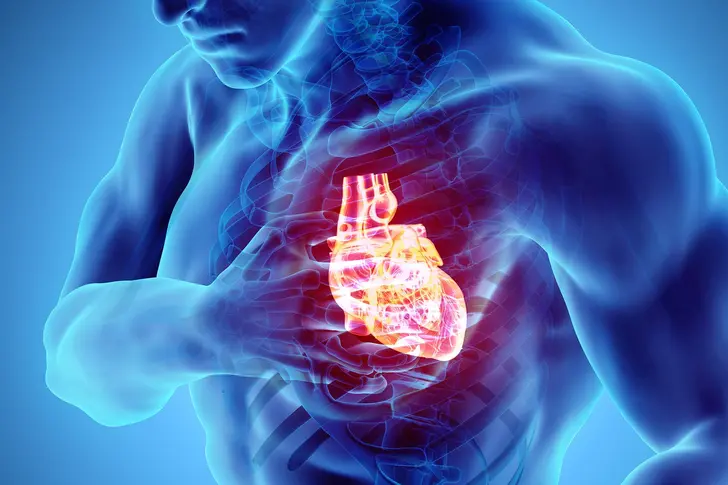
Cardiac arrest prevention tips. A abrupt loss of heart function, or cardiac arrest, occurs when the heart ceases to beat efficiently. A heart attack, an irregular heartbeat, or other underlying medical issues are some of the possible causes. Nonetheless, there are steps you may take to avoid cardiac arrest. Getting medical help right once is essential to restoring the heart’s regular rhythm and function. It’s a major medical emergency, and survival rates can be significantly increased with early intervention, such as CPR and the use of a defibrillator.
CARDIAC ARREST PREVENTION TIPS
A abrupt, unanticipated loss of heart function brought on by an electrical fault in the heart is known as cardiac arrest. It causes the person to collapse, lose consciousness, and cease breathing regularly because it prevents blood from reaching the brain and other organs. It is a medical emergency that, if left untreated, can be lethal in a matter of minutes.
Building the foundation;

Cardiac arrest prevention tips
Establishing heart-healthy habits early is paramount. Emphasizing a diet rich in fiber, fruits, vegetables, and lean proteins, coupled with regular physical activity, sets the foundation for a healthy heart. Stress-free environments and good sleep hygiene in childhood contribute to reducing heart disease risks later in life.
Healthy diet guidelines for young adults;

Maintaining a balanced diet in your 20s and 30s involves monitoring saturated and trans fats, choosing healthier fat sources, and being cautious about added sugars. Reading food labels, opting for whole, unprocessed foods, and customizing dietary choices contribute significantly to heart health. Quitting smoking and vaping is a transformative step for heart health. It reduces the risk of heart attacks, normalizes blood pressure and heart rate, improves blood flow, decreases inflammation, and enhances overall cardiovascular function. The benefits extend beyond the individual, protecting loved ones from secondhand smoke.
Maintaining vigilance;

In your 20s and 30s, when distractions abound, sustaining healthy habits becomes challenging. Reducing screen time, including physical activity, and adopting a heart-friendly diet are crucial. Avoiding smoking and vaping, managing stress, and customizing an exercise plan based on individual preferences and health conditions are vital steps.
Routine check-ups in your 40s and 50s;

As your age adds, routine check-ups become imperative. Tests like blood pressure screening, cholesterol profile, blood sugar tests, and EKGs help identify potential risks. Embracing a healthy routine, staying vigilant for symptoms, and seeking prompt medical attention are essential steps in maintaining heart health
Summary
Managing underlying cardiac problems and implementing heart-healthy lifestyle practices are necessary to prevent cardiac arrest. Keeping your heart and blood arteries in top condition is the key to reducing your risk because coronary artery disease is a major contributing factor.

Healthy benefits of Apple Cider

Honey mask application tips

Effective home remedies for skin acne

A Step-by-Step Guide to Deleting Reels on Instagram

A Comprehensive Guide to Setting Up a YouTube Premiere

How to Create a WhatsApp Group
-

 Health3 weeks ago
Harmful side effects of earphones
-

 Fashion4 weeks ago
Teenage girls fashion guide
-
 Fingernails4 weeks ago
Fingernails common diseases
-

 Self esteem3 weeks ago
Tips for self esteem improvement
-

 Exercise3 weeks ago
Regular physical activities importance
-

 Fashion4 weeks ago
Teenage guys fashion tips
Pingback: Lice and Scabies - SimplExplainer