
Health
Prevention of Oral Thrush

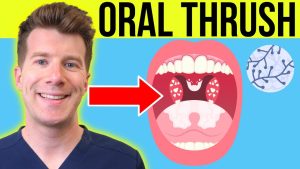
PREVENTION OF ORAL THRUSH
Prevention of oral thrush. Babies’ and toddlers’ mouths frequently get thrush, fungal (yeast) infection . It can spread between nursing parents and newborns, although it’s rarely dangerous. A tiny quantity of fungus living in your mouth is normal. However, the fungus can sometimes grow quickly and cause a yeast infection.
PREVENTION OF ORAL THRUSH
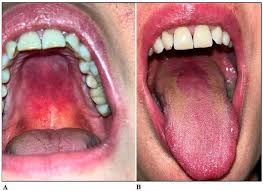
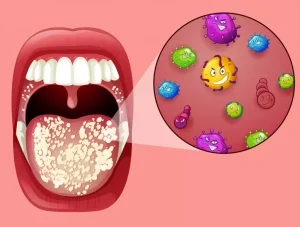
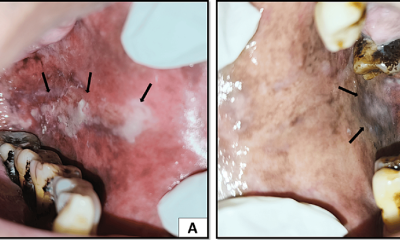
When this kind of yeast infection grows inside your mouth, it causes oral thrush. Other names for it include oropharyngeal candidiasis, oral candidiasis, or just thrush. Due to their generally weakened immune systems, infants and elderly people are more likely to get oral thrush. However, it can happen at any age. Usually found on the tongue or inner cheeks, oral thrush develops creamy white spots or patches. Oral thrush can occasionally spread to the tonsils, gums, back of the throat, or roof of the mouth.
Signs

Oral thrush may not exhibit any symptoms in its early stages. However, one or more of the following symptoms could appear as the infection worsens: • irritation, pain, and redness under dentures. • dry, cracked skin at the corners of your mouth; • a bad taste in your mouth; • a loss of taste; • white or yellow spots on your inner cheeks, tongue, tonsils, gums, or lips; • slight bleeding if the spots are scraped; • soreness or burning in your mouth; • a cotton-like sensation in your mouth; Although it is rare, oral thrush can occasionally impact the esophagus. Yeast infections in other areas of your body can be caused by the same fungus that causes mouth thrush.
Causes
An overabundance of Candida albicans is the cause of oral thrush and other yeast infections. Fifty percent of people have it in their microbiomes naturally. A tiny quantity of Candida albicans usually lives in your mouth without doing any damage. Beneficial microorganisms in your body assist in controlling Candida albicans when your immune system is functioning correctly. However, the fungus may become unmanageable if your immune system is weakened or if the equilibrium of microorganisms in your body is upset. These can also cause oral thrush, Corticosteroids, Antibiotics, Birth control pills.
Treatment
Your doctor may prescribe medicine to cure oral thrush. These consist of: amphotericin B (AmBisome, Fungizone); generic nystatin; fluconazole; and itraconazole. Find out more about antifungal drugs. Oral thrush typically disappears in a few weeks after therapy starts. However, it can sometimes come back. Adults who experience recurrent episodes of oral thrush for which there is no known reason will have their health care provider assess them for any underlying medical disorders that may be causing the thrush. During their first year of life, infants may experience multiple episodes of oral thrush. Additionally, your physician might suggest some natural treatments for oral thrush.
Prevention

Refrain from sharing cutlery and glasses with other people. • To help your immune system operate, eat a good diet and lead a generally healthy lifestyle. • Maintain proper dental hygiene by seeing your dentist on a regular basis, brushing and flossing your teeth twice a day. • Schedule a consultation with your physician and adhere to their suggested course of therapy if you have a persistently dry mouth. • Make sure your dentures fit correctly, clean them every day, and take them off before bed. • After taking your corticosteroid inhaler, wash your mouth or brush your teeth. • Take action to control your blood sugar levels if you have diabetes.
Summary
A yeast infection of the mouth is called oral thrush. Although it can happen to adults, babies are most frequently affected. Although fungi often reside in our mouths, their quick growth might lead to an illness.



Cardiac arrest prevention tips. A abrupt loss of heart function, or cardiac arrest, occurs when the heart ceases to beat efficiently. A heart attack, an irregular heartbeat, or other underlying medical issues are some of the possible causes. Nonetheless, there are steps you may take to avoid cardiac arrest. Getting medical help right once is essential to restoring the heart’s regular rhythm and function. It’s a major medical emergency, and survival rates can be significantly increased with early intervention, such as CPR and the use of a defibrillator.
CARDIAC ARREST PREVENTION TIPS
A abrupt, unanticipated loss of heart function brought on by an electrical fault in the heart is known as cardiac arrest. It causes the person to collapse, lose consciousness, and cease breathing regularly because it prevents blood from reaching the brain and other organs. It is a medical emergency that, if left untreated, can be lethal in a matter of minutes.
Building the foundation;

Cardiac arrest prevention tips
Establishing heart-healthy habits early is paramount. Emphasizing a diet rich in fiber, fruits, vegetables, and lean proteins, coupled with regular physical activity, sets the foundation for a healthy heart. Stress-free environments and good sleep hygiene in childhood contribute to reducing heart disease risks later in life.
Healthy diet guidelines for young adults;

Maintaining a balanced diet in your 20s and 30s involves monitoring saturated and trans fats, choosing healthier fat sources, and being cautious about added sugars. Reading food labels, opting for whole, unprocessed foods, and customizing dietary choices contribute significantly to heart health. Quitting smoking and vaping is a transformative step for heart health. It reduces the risk of heart attacks, normalizes blood pressure and heart rate, improves blood flow, decreases inflammation, and enhances overall cardiovascular function. The benefits extend beyond the individual, protecting loved ones from secondhand smoke.
Maintaining vigilance;
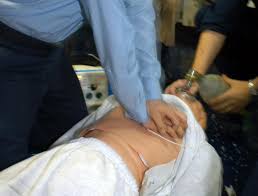
In your 20s and 30s, when distractions abound, sustaining healthy habits becomes challenging. Reducing screen time, including physical activity, and adopting a heart-friendly diet are crucial. Avoiding smoking and vaping, managing stress, and customizing an exercise plan based on individual preferences and health conditions are vital steps.
Routine check-ups in your 40s and 50s;

As your age adds, routine check-ups become imperative. Tests like blood pressure screening, cholesterol profile, blood sugar tests, and EKGs help identify potential risks. Embracing a healthy routine, staying vigilant for symptoms, and seeking prompt medical attention are essential steps in maintaining heart health
Summary
Managing underlying cardiac problems and implementing heart-healthy lifestyle practices are necessary to prevent cardiac arrest. Keeping your heart and blood arteries in top condition is the key to reducing your risk because coronary artery disease is a major contributing factor.

Sleep and long term health. One of the most important pillars of physical wellness is getting enough good sleep. It enables self-healing and self-regulation of your immune, endocrine, and cardiovascular systems. Chronic sleep deprivation raises the long-term risk of serious illnesses like obesity, diabetes, and heart disease.
SLEEP AND LONG TERM HEALTH
Just as important as nutrition and exercise is getting enough sleep. Your long-term risk of serious medical illnesses, such as type 2 diabetes, cardiovascular diseases, and neurodegenerative disorders, is greatly increased by chronic sleep deprivation (sleeping fewer than 7 to 9 hours every night). Sleeping enough at night shields you against a host of health issues. Here are a few of the most significant ones.
Heart disease
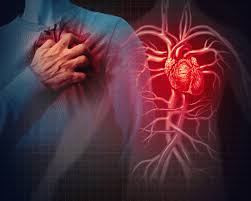
A healthy sleep pattern lowers the risk of heart disease. In the United States, it is the main cause of death for both men and women. Your blood pressure and heart rate decrease as you sleep. Your heart will have to exert less effort as a result.3. Sleeping well also contributes to a healthy cortisol balance. If this stress hormone remains too high for an extended length of time, it might be harmful to the body.
Weight gain
Increasing your sleep will assist you in managing your weight. Your body produces an excess of a chemical that causes hunger when you’re sleep deprived. What was the outcome? You consume more food than you usually do. And you have a craving for foods heavy in sugar and fat. Maintaining a healthy weight reduces your chances of high blood pressure, high cholesterol, and other conditions.
Best advice for a great night’s sleep;

You can now see why getting more sleep is necessary. These hints will improve your quality of sleep at night.
Stick to a schedule
Every day, get up and go to bed at the same hour. On the weekends, it could be tempting to stay up late and sleep in. However, that simply makes Monday morning more difficult for you to wake up.
Don’t eat too late

Sleep and long term health
Heartburn can occur when a full meal is consumed close to bedtime. Chest discomfort that burns is one of the signs of heartburn. This may prevent you from going to sleep and remaining asleep. Before going to bed, eat something small and light, like a banana, if you’re hungry. Alternately, have a low-sugar yogurt cup or some almonds.
Nap wisely
If you must nap throughout the day, try to limit the duration to no more than 20 minutes and take it before 3 p.m. Sleeping at night becomes more difficult after extended, late naps.
Cut down on screen time
Melatonin is disrupted by the blue light emitted by your computer, tablet, and phone screens. This is a hormone that makes you feel drowsy by rising naturally around bedtime. When the light is too strong, your body suppresses melatonin because it believes it is still daytime. At least half an hour before going to bed, turn off all gadgets.
Give your bedroom a makeover

Sleep and long term health
Make a relaxing, peaceful sleeping area. Turn down the lights before going to bed, and avoid sleeping with the TV on. To make your room as dark as possible, hang curtains or room-darkening shades on your windows. To reduce noise, use a free white noise app on your phone. Moreover, maintain a temperature of between 60° and 67°F.
Limit fluids
If you have too much water right before bed, you’ll wake up in the middle of the night to go to the bathroom.
Summary
Consistent lifestyle choices that avoid chronic illness and preserve cognitive function are essential for long-term health. A healthy, plant-based diet, 150 minutes of aerobic exercise plus strength training, getting enough sleep, and abstaining from smoking are all important practices.

Nivea body wash for men

Business maintenance

Athlete conviction of murder

A Step-by-Step Guide to Deleting Reels on Instagram

A Comprehensive Guide to Setting Up a YouTube Premiere

How to Create a WhatsApp Group
-

 Health4 weeks ago
Carbonated drinks side effects
-

 Business4 weeks ago
Smart ideas for business startups
-

 Deodorants3 weeks ago
Reviewing tom ford oud
-

 Deodorants4 weeks ago
Reasons for wearing deodorants
-

 Deodorants4 weeks ago
Review for saint laurent black
-

 Deodorants3 weeks ago
Varieties of perfumes for men