Face hygiene
Face cleansing tips

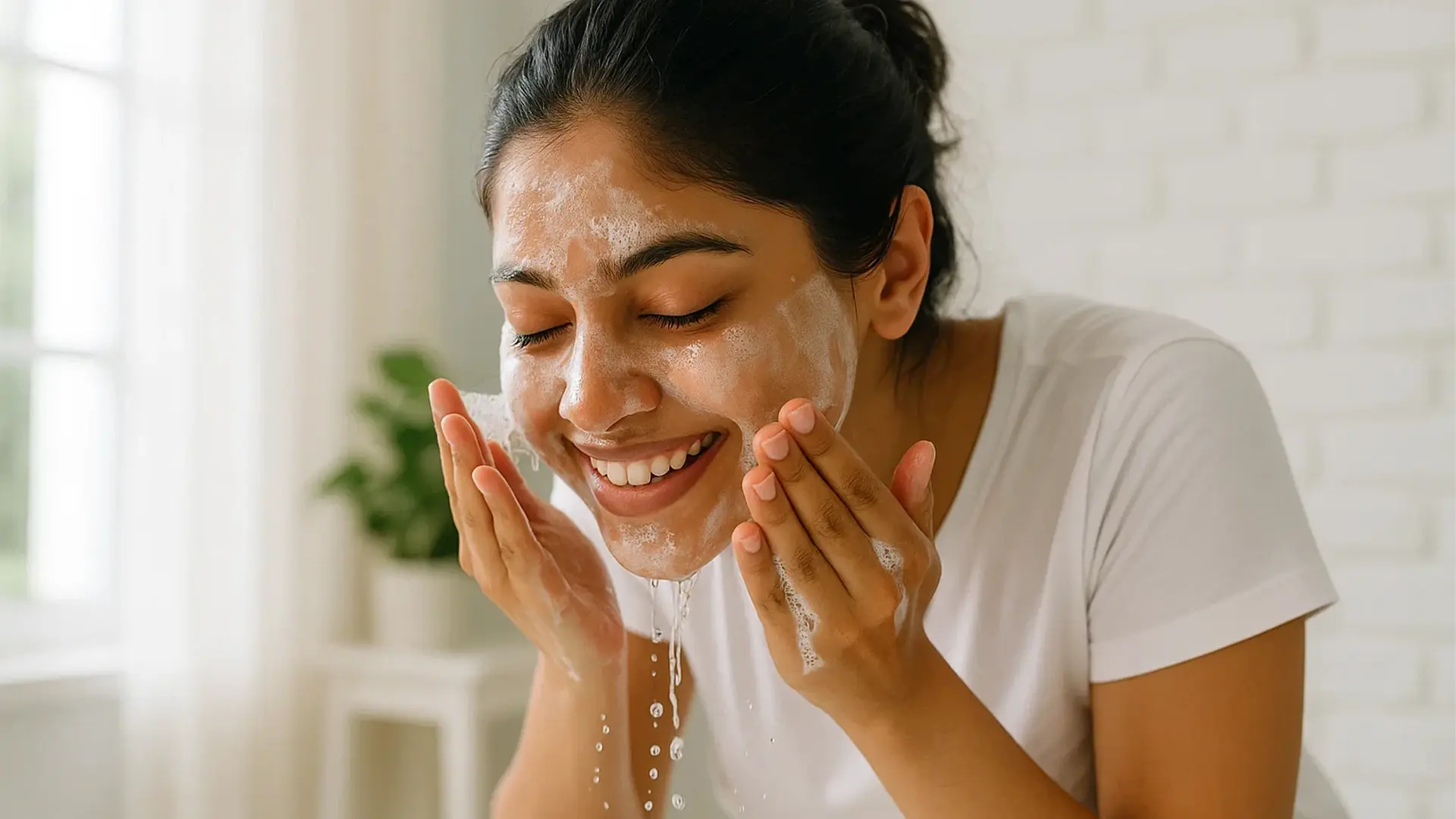
Face cleansing tips. Gaining clear, balanced skin and optimizing the efficacy of your skincare regimen require mastering the art of face cleaning. You can unleash the transforming potential of face cleansing and start down the path to a healthier, more radiant complexion by knowing your skin type, choosing the correct cleanser, using the right method, and being consistent. So embrace the practice of washing your face and allow your skin to radiate with fresh beauty and energy.
FACE CLEANSING TIPS
As the first step towards a healthy, glowing complexion, face cleansing is the foundation of every skincare regimen. Navigating the world of face cleansing, however, can be confusing due to the variety of cleansers available, each boasting distinct advantages. Don’t be afraid! This thorough instruction is your road map to becoming an expert at face cleansing, enabling you to effortlessly get balanced, clean skin.
1. Know Your Skin Type:

Understanding your skin type is crucial for selecting the right cleanser. Whether you have oily, dry, combination, or sensitive skin, there’s a cleanser tailored to your needs. Oily skin benefits from gel or foam cleansers that help control excess sebum, while dry skin thrives with creamy or hydrating cleansers that nourish and replenish moisture. Combination skin may require a versatile cleanser that addresses both oily and dry areas, while sensitive skin benefits from gentle, fragrance-free formulations that minimize irritation.
2. Choose the Right Cleanser:
Once you’ve identified your skin type, selecting the appropriate cleanser becomes easier. Gel cleansers are ideal for oily or acne-prone skin, as they effectively remove impurities without leaving a residue. Cream cleansers are perfect for dry or sensitive skin, offering gentle cleansing while maintaining hydration. Foam cleansers provide a lightweight, refreshing cleanse suitable for all skin types, while oil cleansers effectively dissolve makeup and impurities, making them ideal for double cleansing or removing stubborn sunscreen.
3. Double Cleansing:
Face cleansing tips
Double cleansing involves using two different cleansers sequentially to ensure thorough removal of makeup, sunscreen, and impurities. Start with an oil-based cleanser to dissolve makeup and sunscreen, massaging it gently onto dry skin before rinsing with warm water. Follow up with a water-based cleanser to remove any remaining impurities and cleanse the skin thoroughly. Double cleansing is particularly beneficial for those who wear heavy makeup or sunscreen daily, ensuring a clean canvas for subsequent skincare products.
4. Technique Matters:
The way you cleanse your face can impact its effectiveness and overall health. Begin by wetting your face with lukewarm water to open the pores and prepare the skin for cleansing. Dispense a small amount of cleanser onto your fingertips and gently massage it onto your skin using circular motions, avoiding the delicate eye area. Pay attention to areas prone to congestion, such as the T-zone, and rinse thoroughly with lukewarm water. Pat your skin dry with a soft towel, being careful not to rub or tug at the skin.
5. Frequency and Consistency:
Face cleansing tips
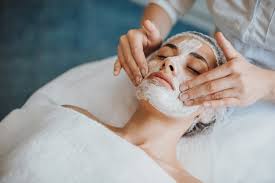
Consistency is key when it comes to face cleansing. Aim to cleanse your face twice daily, in the morning and evening, to remove sweat, oil, and environmental impurities that accumulate throughout the day and night. However, be mindful not to over-cleanse, as excessive washing can strip the skin of its natural oils and disrupt its moisture barrier. Adjust your cleansing routine based on your skin’s needs, opting for a gentle cleanse in the morning and a more thorough cleanse in the evening to remove makeup and impurities accumulated during the day.
Summary
Washing your face twice a day with lukewarm water and a mild, non-abrasive cleanser appropriate for your skin type is part of proper face hygiene. Rinse well and pat dry with a fresh towel after massaging the T-zone with your fingertips in circular motions for 30 to 60 seconds. To protect your skin’s natural barrier, stay away from scrubbing, hot water, and harsh soaps.




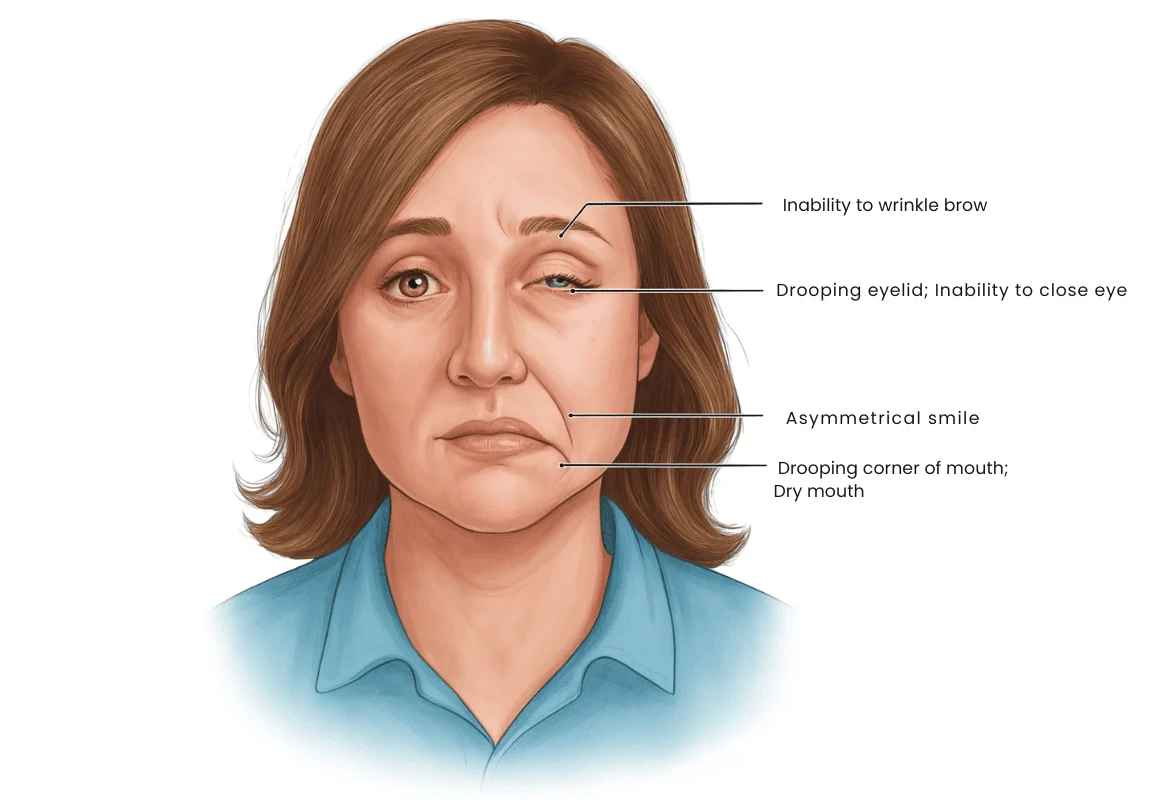
Treatment for facial drooping. There are several reasons why people droop their faces. ranging from transient ailments like Bell’s palsy to more severe underlying medical diseases like neurological disorders or stroke. Effective management of face drooping requires prompt diagnosis and proper therapy, regardless of the underlying reason. People with facial drooping can frequently see a major improvement in their condition with the right medical attention and assistance. and recover self-assurance in their appearance and day-to-day activities.
TREATMENT FOR FACIAL DROOPING
Loss of voluntary muscle control in one or both sides of the face is the hallmark of this illness, which is sometimes referred to as facial paralysis or facial weakness. It can be a distressing event that affects one’s looks, self-esteem, and even everyday activities like speaking and eating. For an accurate diagnosis and course of therapy, it is essential to comprehend the causes of face drooping.
Here are some common factors that can lead to facial drooping:
1. Bell’s Palsy:

Bell’s Palsy is one of the most common causes of facial drooping. It occurs when the facial nerve, which controls the muscles on one side of the face, becomes swollen or inflamed. Resulting in sudden weakness or paralysis. The exact cause of Bell’s Palsy is not always clear, but viral infections, such as the herpes simplex virus, are believed to play a role.
2. Stroke: A stroke, which occurs when blood flow to the brain is disrupted, can also cause facial drooping. In this case, the drooping typically occurs on one side of the face and may be accompanied by other symptoms such as weakness or numbness on one side of the body, difficulty speaking, and confusion.
3. Trauma or Injury:

Trauma or injury to the face or head, such as a car accident, fall, or surgical procedure, can damage the facial nerves and lead to temporary or permanent facial drooping.
4. Infections: Certain infections, including Lyme disease, HIV, and herpes zoster (shingles), can affect the facial nerves and result in facial drooping.
5. Tumors: Tumors, both benign and malignant, that develop in or around the brain or facial nerves can exert pressure on the nerves and cause face drooping as a symptom.
6. Neurological Disorders:

Various neurological disorders, such as multiple sclerosis, Guillain-Barré syndrome, and Moebius syndrome, can affect nerve function and lead to facial drooping.
7. Congenital Conditions: Some individuals may be born with congenital conditions that affect facial nerve function, resulting in facial drooping from birth or early childhood.
While face drooping can be concerning, there are treatment options available depending on the underlying cause. These may include:
– Medication:

Treatment for facial drooping
In cases of Bell’s Palsy or certain infections, medication such as corticosteroids or antiviral drugs may be prescribed to reduce inflammation and speed up recovery.
– Physical Therapy: Physical therapy exercises and techniques can help strengthen facial muscles and improve muscle control and coordination.
– Surgery: In some cases, surgery may be necessary to relieve pressure on the facial nerves or to repair nerve damage.
– Botulinum Toxin (Botox) Injections:
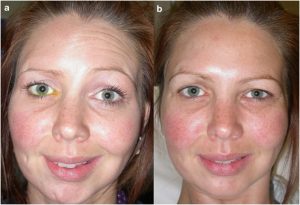
Treatment for facial drooping
Botox injections can be used to temporarily paralyze specific facial muscles. Helping to reduce the appearance of asymmetry caused by facial drooping. By targeting the overactive muscles on the unaffected side of the face. Botox injections can help create a more balanced and symmetrical appearance.
– Nerve Stimulation: Techniques such as electrical stimulation or biofeedback may be used to help retrain the facial muscles and improve nerve function.
– Supportive Measures: Using techniques such as facial taping or wearing a splint at night can help support the affected side of the face and prevent further drooping.
– Emotional Support:
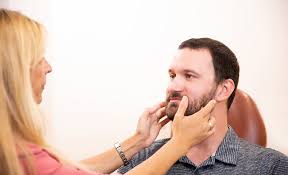
Treatment for facial drooping
Dealing with facial drooping can take an emotional toll, affecting self-esteem and confidence. Seeking support from loved ones, joining support groups, or talking to a therapist can help individuals cope with the psychological impact of facial paralysis.
It’s essential for individuals experiencing face drooping to seek medical attention promptly for an accurate diagnosis and appropriate treatment. Early intervention can help improve outcomes and prevent complications. Additionally, practicing good overall health habits, such as managing stress. Also getting enough sleep, and maintaining a healthy diet, can support the body’s natural healing processes.
Summary
In order to minimize nerve swelling, early management with corticosteroids (such as prednisone) should ideally begin within 72 hours. Antiviral drugs, lubricating eye drops or patches, physical therapy (neuromuscular retraining), and occasionally Botox to control muscle spasms or involuntary movements are further treatments.
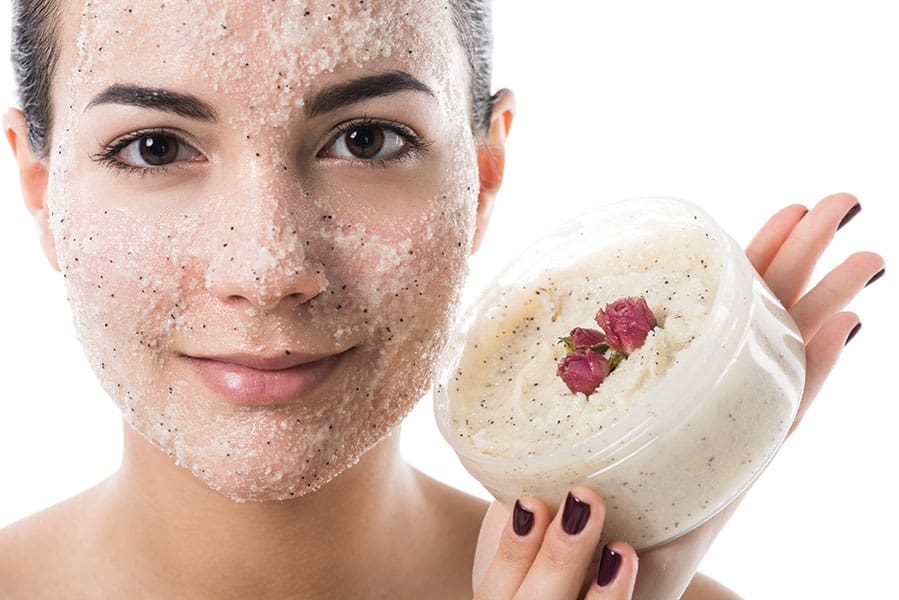
Face exfoliation best practices. Any skincare regimen must include face exfoliation since it helps to clear clogged pores, eliminate dead skin cells, and reveal a smoother, more radiant complexion. Your skin will appear renewed and fresh after a proper exfoliation, which can encourage a healthy skin cell turnover. Here are several advantages of exfoliation and safe methods.When done correctly, face exfoliation is a powerful tool for preserving skin that is radiant and healthy. You can benefit from smoother, cleaner, and more beautiful skin by selecting the appropriate exfoliation technique and following safe procedures.
FACE EXFOLIATION BEST PRACTICES
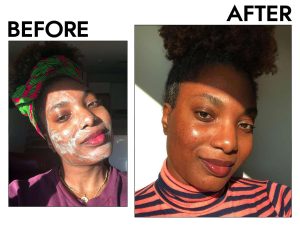
By removing debris, oil, and dead skin cells from the skin’s surface, face exfoliation helps to clear clogged pores and prevent acne while also creating a smoother, more radiant complexion. Physical scrapes or tools and chemical exfoliants (AHAs/BHAs) that break down skin connections are important techniques. Exfoliation should be done one to three times a week in order to be safe and effective; excessive exfoliation might cause harm.
Benefits of Face Exfoliation;

1. Removes Dead Skin Cells: Exfoliating sloughs away dead skin cells that accumulate on the surface, preventing dullness and promoting a more radiant appearance.
2. Unclogs Pores: Regular exfoliation can help remove dirt, oil, and impurities from pores, reducing the risk of blackheads and breakouts.
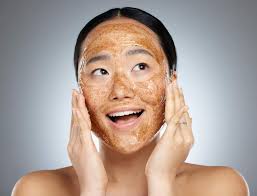
3. Enhances Absorption of Skincare Products: By clearing away dead skin, exfoliation allows moisturizers, serums, and other skincare products to penetrate more effectively and deliver better results.
4. Promotes Even Skin Tone: Exfoliation helps to fade dark spots, hyperpigmentation, and acne scars over time, resulting in a smoother, more even skin tone.
5.Improves Skin Texture: Consistent exfoliation can soften rough patches, leaving your skin feeling smoother and more supple.
Types of Face Exfoliation;
Face exfoliation best practices
1. Physical Exfoliation: This involves using scrubs or brushes to manually remove dead skin. Look for gentle scrubs with fine particles or use a soft facial brush to avoid micro-tears or irritation.
2. Chemical Exfoliation: This method uses acids like alpha-hydroxy acids (AHAs) or beta-hydroxy acids (BHAs) to dissolve dead skin cells. AHAs, such as glycolic acid and lactic acid, work well for dry or sun-damaged skin, while BHAs, like salicylic acid, are ideal for oily or acne-prone skin.
Best Practices;
1. Choose the Right Product for Your Skin Type:

Face exfoliation best practices
People with sensitive skin should opt for mild exfoliants and avoid harsh scrubs. Those with oily skin may benefit from stronger chemical exfoliants.
2. Frequency Matters:
Over-exfoliating can lead to skin irritation, dryness, and sensitivity. Limit exfoliation to 1-3 times a week, depending on your skin type and product strength.
3. Moisturize After Exfoliating:

Face exfoliation best practices
Always follow up with a hydrating moisturizer to soothe the skin and lock in moisture.
Exfoliation can make your skin more sensitive to the sun. Apply sunscreen daily to protect against UV damage and prevent hyperpigmentation.
Summary
In order to improve texture, increase radiance, and unclog pores, an effective face exfoliation removes dead skin cells. However, it must be done carefully to prevent harming the skin’s moisture barrier. The best practices include being gentle, moisturizing straight away, using sunscreen every day, and selecting the appropriate technique for your skin type (chemical vs. physical).
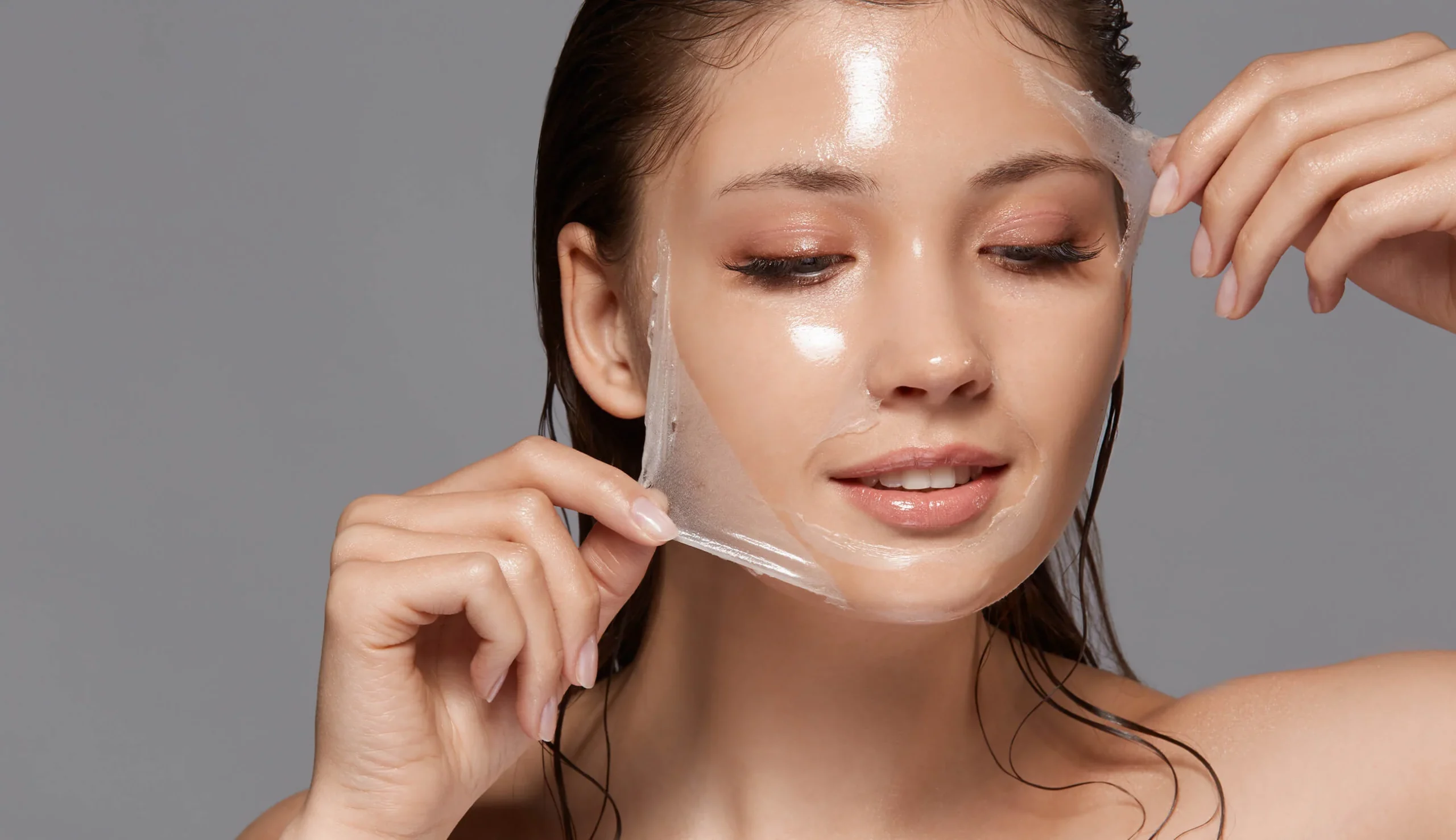
Chemical face exfoliation. Acids such as AHAs (glycolic, lactic, and mandelic) are used in chemical exfoliants for surface texture and brightness, BHAs (salicylic acid) are used for deep pore cleansing in oily or acne-prone skin, and PHAs (gluconolactone) are used as softer, hydrating alternatives. These acids dissolve dead skin cells to leave the skin smoother, clearer, and more evenly toned without the need for harsh scrubbing.
CHEMICAL FACE EXFOLIATION
Chemical exfoliation is a popular skincare method that uses acids or enzymes to dissolve dead skin cells and promote cell turnover, resulting in smoother, clearer skin. While it can be highly effective, it’s important to know how to use chemical exfoliants safely to avoid irritation or damage. Here’s a step-by-step guide on how to do chemical face exfoliation.
Step 1: Choose the Right Exfoliant for Your Skin Type
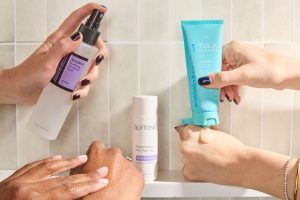
– Alpha-Hydroxy Acids (AHAs): AHAs, such as glycolic acid and lactic acid, are water-soluble acids that work best for normal to dry skin types. They help exfoliate the surface layer of the skin and are ideal for treating sun damage, fine lines, and uneven skin texture.
– Beta-Hydroxy Acids (BHAs): BHAs, like salicylic acid, are oil-soluble and penetrate deeper into the pores. They’re suitable for oily and acne-prone skin as they help reduce oil buildup and prevent breakouts.
– Polyhydroxy Acids (PHAs): PHAs are larger molecules than AHAs, making them more gentle. They are a great option for sensitive skin, as they exfoliate without causing significant irritation.
Step 2: Cleanse Your Skin
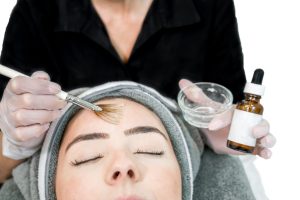
Before applying a chemical exfoliant, start by cleansing your face with a gentle, pH-balanced cleanser to remove makeup, dirt, and oils. Pat your skin dry with a clean towel.
Step 3: Apply the Chemical Exfoliant
– Liquid or Serum Form: Apply a few drops of the exfoliant to a cotton pad or your fingertips and gently swipe or pat it onto your face. Avoid the eye and lip areas, as these areas are more sensitive.
– Gel or Cream Form: Apply a thin layer evenly over the face.
Allow the product to absorb for a few minutes before applying any other skincare products. Follow the instructions on the product for how long to leave it on the skin, especially if it’s a wash-off product.
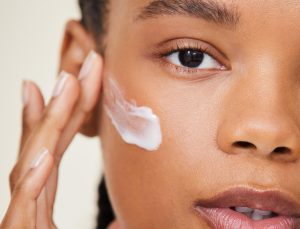
Step 4: Follow Up with a Moisturizer
Chemical face exfoliation
Also, chemical exfoliation can leave your skin feeling dry or tight. Follow up with a hydrating serum and a moisturizer to replenish the skin’s moisture barrier and keep it supple.
Step 5: Always Use Sunscreen
Chemical exfoliation can make your skin more sensitive to the sun. Apply a broad-spectrum sunscreen with at least SPF 30 during the day to protect your skin from UV damage and prevent hyperpigmentation.
Best Practices and Tips;

Chemical face exfoliation
– Start Slowly: If you’re new to chemical exfoliation, begin by using the product once a week and gradually increase to 2-3 times per week as your skin builds tolerance.
– Patch Test: Always perform a patch test on a small area of skin before using a new chemical exfoliant on your face to check for potential reactions.
Chemical face exfoliation
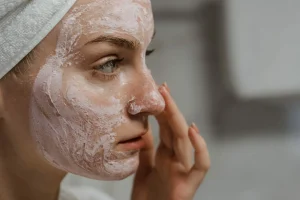
– Avoid Over-Exfoliation: Using multiple exfoliating products or exfoliating too frequently can damage your skin barrier and cause redness, peeling, or irritation.
Summary
Acids such as AHAs (glycolic, lactic, and mandelic) are used in chemical exfoliants for surface texture and brightness, BHAs (salicylic acid) are used for deep pore cleansing in oily or acne-prone skin, and PHAs (gluconolactone) are used as softer, hydrating alternatives. These acids dissolve dead skin cells to leave the skin smoother, clearer, and more evenly toned without the need for harsh scrubbing.

Music Recording Apps for Phones

Review of Bandlab Music App

N-Track Studio Review

A Step-by-Step Guide to Deleting Reels on Instagram

A Comprehensive Guide to Setting Up a YouTube Premiere