Flight
Morning and night flight relevance


Morning and night flight relevance. Check local Nigerian carriers like Air Peace for regional itineraries, or utilize aggregators like Google Flights or Expedia to compare prices in order to book or track a flight fast. Use monitoring services such as Flightradar24 to keep an eye on real-time aircraft positions. In order to balance travel efficiency, affordability, and comfort, early morning and late night (red-eye) flights are quite important. While night flights can be less expensive and maximize vacation/business time, early flights promise better on-time performance and less turbulence. The best option is mostly determined by the duration of the travel and personal priorities.
MORNING AND NIGHT FLIGHT RELEVANCE
Some people maintain that flight should only be taken in the early morning. Shorter wait times at the ticket counter and an improved overall flying experience are among the most often mentioned reasons. Still, there are plenty of additional reasons that contribute to the allure of flying at night. Some people prefer to travel when the majority of the country is asleep for a variety of reasons, including a smoother ride and more storage space:
1) Cost savings;

Morning and night flight relevance
Saving money is one of the main motivations for taking early morning and red eye flights. You can optimize the number of daylight hours you spens at your destination in addition to save money on travel fair.
2) Less turbulence;
One effective way to reduce turbulence is to take off early in the morning. in the afternoon and early evening, thunderstorms and turbulence are more likely to occur due to unstable air.
3) Fewer delayed flights;
Morning and night flight relevance
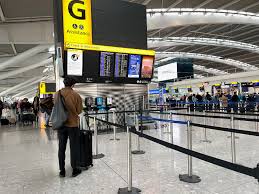
Delaying your travel might be minimized by booking an early morning flight. The airways are normally not crowded until around 8:00 a.m because there is less air traffic during the night and before morning.
4) More cabin space;
Flying red eye increases your chance of having an empty seat next to you and gives you extra room in the overhead bin. Due to the fact that late night flight are typically much less packed, you may find the aircraft to be quieter and more roomy.
Summary
There are a number of benefits to traveling late at night or early in the morning. However, there are also less amenities at the airport and disturbances to sleep schedules. Fortunately, these disadvantages can be overcome with careful packing and minimal advance planning. By following the above recommendations, you can make your trip more pleasurable regardless of the time of day or night you are traveling.



Airline travellers and baggage allowancwes. Every flight traveler needs to understand their baggage allowance. You can pack with confidence and prevent needless worry and expenses during your trip by being aware of your airline’s unique laws regarding checked and carry-on baggage, as well as any applicable fees or exclusions.
AIRLINE TRAVELLERS AND BAGGAGE ALLOWANCES
Each airline, ticket class, and itinerary has a substantially different baggage allowance. While cabin (carry-on) luggage is often limited to one bag (usually 7–10 kg) plus one small personal item, checked baggage limitations typically range from 15–32 kg per bag. Before traveling to the airport, always verify your particular booking confirmation or the airline’s official website because going above these restrictions will result in additional baggage fees.
Checked Baggage:

Most airlines allow passengers to check at least one piece of luggage free of charge, with additional fees for extra bags or overweight items. The weight and size limits for checked baggage can vary between airlines, so it’s crucial to check your airline’s specific policies before packing. Typically, checked bags must not exceed a certain weight (often around 50 pounds or 23 kilograms) and linear dimensions (length + width + height). Exceeding these limits may result in additional fees or refusal of the baggage.
Carry-On Baggage:

AIRLINE TRAVELLERS AND BAGGAGE ALLOWANCES
In addition to checked baggage, passengers are usually allowed to bring one carry-on bag and one personal item, such as a purse or laptop bag, onto the aircraft free of charge. Carry-on baggage must adhere to size restrictions imposed by the airline, typically fitting within overhead bin dimensions and/or under-seat space. It’s essential to pack efficiently and consider the items you’ll need during the flight, as well as any restrictions on liquids, gels, and other prohibited items imposed by airport security.
Excess Baggage Fees:

AIRLINE TRAVELLERS AND BAGGAGE ALLOWANCES
For passengers who exceed the standard baggage allowances, airlines typically charge excess baggage fees. These fees can vary depending on factors such as the weight, size, and number of additional bags. To avoid hefty fees, travelers should pack judiciously and consider shipping items or purchasing additional baggage allowance in advance if needed. Some airlines also offer discounted rates for pre-purchased baggage allowances, so it’s worth exploring these options before arriving at the airport.
Special Items and Sports Equipment:

Certain items, such as oversized luggage, sports equipment, and musical instruments, may be subject to special handling and fees. It’s essential to check with your airline regarding their policies for transporting these items, as well as any requirements for packing or securing them properly. In some cases, it may be more cost-effective to rent equipment at your destination rather than paying excess baggage fees to transport it.
Exceptions and Considerations:

It’s worth noting that certain passengers, such as members of frequent flyer programs, elite status holders, and premium cabin passengers, may be entitled to additional baggage allowances or waived fees. Additionally, some airlines offer exceptions for essential items such as medical equipment or mobility aids. Travelers should contact their airline directly to inquire about any special accommodations or exceptions that may apply to their situation.
Summary
A crucial component of air travel is baggage allowances, which specify how much luggage travelers are permitted to bring and how much they might have to pay for extra items. To prevent surprises and guarantee a comfortable trip, it is crucial to comprehend these allowances.

First time travellers and airline policies. Understanding airline policies is essential for every traveler. By familiarizing themselves with baggage allowances, ticket flexibility, boarding procedures, in-flight amenities, and customer service policies, travelers can navigate the skies with confidence, knowing they are prepared for whatever their journey may bring.
FIRST TIME TRAVELLERS AND AIRLINE POLICIES
Airline policies play a crucial role in shaping the travel experience for passengers worldwide. From baggage allowances to ticket flexibility, understanding these policies is essential for a smooth and hassle-free journey. In this article, we’ll delve into the key aspects of airline policies, empowering travelers with the knowledge they need to navigate the skies with confidence.
Baggage Allowances and Fees:

One of the most important aspects of airline policies is baggage allowances. Each airline sets its own rules regarding the size, weight, and number of bags allowed per passenger. It’s essential for travelers to familiarize themselves with these allowances to avoid unexpected fees at the airport. Additionally, many airlines now charge fees for checked baggage, so it’s wise to pack efficiently and consider any additional costs when booking your ticket.
Ticket Flexibility and Change Fees:
Another crucial aspect of airline policies is ticket flexibility. While some tickets may be non-refundable or subject to hefty change fees, others offer more flexibility for changes or cancellations. It’s important for travelers to carefully review the terms and conditions of their ticket before booking to understand their options in the event of unexpected changes to their travel plans. Additionally, some airlines offer flexible booking policies, allowing passengers to make changes to their itinerary with minimal hassle.
Boarding and Seating Policies:

FIRST TIME TRAVELLERS AND AIRLINE POLICIES
Boarding procedures and seating policies can vary significantly between airlines. Some airlines offer priority boarding to certain groups of passengers, such as those with elite status or families traveling with young children. Others may charge extra for preferred seating or offer the option to purchase upgrades at check-in. Understanding these policies can help travelers navigate the boarding process and secure the best possible seat for their journey.
In-Flight Amenities and Services:
In-flight amenities and services can also vary widely depending on the airline and the type of ticket purchased. Some airlines offer complimentary meals, drinks, and entertainment options, while others may charge for these services or offer them for purchase. It’s essential for travelers to familiarize themselves with the amenities offered on their flight and plan accordingly, whether it’s bringing their own snacks and entertainment or budgeting for in-flight purchases.
Customer Service and Support:

FIRST TIME TRAVELLERS AND AIRLINE POLICIES
Finally, airline policies regarding customer service and support can have a significant impact on the overall travel experience. From handling flight delays and cancellations to assisting passengers with special needs, airlines vary in their approach to customer service. Travelers should research airline reviews and policies to ensure they choose an airline that prioritizes customer satisfaction and provides adequate support in the event of unexpected disruptions.
Summary
For information on baggage weight restrictions, cabin space limitations, and check-in deadlines, always visit the website of your particular airline. For domestic flights, arrive at the airport two hours early; for international flights, arrive three hours early. Bring your boarding pass, passport/ID, and prescription drugs in your carry-on. Carry-on liquids must be packaged in a single transparent bag in containers no larger than 100 milliliters. Don’t bring anything that is forbidden, and find out well in advance what your destination’s visa requirements are.

Plane tickets relevance. A passenger’s right to a seat on a particular aircraft is confirmed by their plane ticket, which is a vital document (or electronic record). As evidence of purchase and a need for getting a boarding card, they function as the official agreement between the passenger and the airline.
PLANE TICKETS RELEVANCE
Your right to a seat and certain services is guaranteed by airline tickets, which are crucial legal agreements between you and the airline. They serve as your main line of defense in the event of travel interruptions by documenting important clauses pertaining to refunds, cancellations, and itinerary modifications.
“In the realm of modern travel, the humble airline ticket serves as more than just a piece of paper or a digital confirmation—it’s the gateway to adventure, the key to unlocking distant horizons, and the embodiment of possibilities awaiting in the skies above. From the moment it’s procured to the final boarding call, the airline ticket encapsulates a journey’s anticipation, logistics, and promise. Join us as we embark on a journey through the intricacies of this essential document, exploring its role in shaping our travel experiences, navigating the complexities of airfare pricing, and unlocking the doors to destinations near and far.”
With an airline ticket, you can:

1. Board the Flight: Gain access to the airplane for your designated journey.
2. Check-in Luggage: Typically includes a certain allowance for checked baggage.
3. Access Airport Lounges: Depending on the ticket type or membership, you may have access to airport lounges.
4. Receive In-flight Services: Such as meals, beverages, and entertainment, depending on the airline and ticket class.
5. Earn Frequent Flyer Miles: Accumulate points or miles for future travel, depending on the airline’s loyalty program and your membership status.
In an Air travellers tickets Are the following informations:

Plane tickets relevance
1. Flight Route: They specify the departure and destination airports.
2. Travel Dates and Times: The date and time of departure and arrival.
3. Passenger Information: Names of passengers, sometimes with seat assignments.
4. Fare Class: Indicates the type of ticket purchased (economy, business, first class).
5. Price and Fees: Details of the fare, taxes, and any additional fees.
Summary
Beyond travel, they provide important information that border officials and support services need to verify, like ticket numbers and booking references. You lack proven travel authorization and remedy for unforeseen problems if you do not have a valid, issued ticket (not just a reservation).

Music Recording Apps for Phones

Review of Bandlab Music App

N-Track Studio Review

A Step-by-Step Guide to Deleting Reels on Instagram

A Comprehensive Guide to Setting Up a YouTube Premiere