Sports
2 POSITION IN BASKETBALL

The Shooting Guard ( Shoot)

This player must be able to shoot consistently from outside, midrange, and close to the basket, as well as be able to make a variety of layups including floaters, euro steps, and reverse layups.
Being able to score from anywhere on the floor means the shooting guard is always a threat and many basketball plays can be ran for them.
They’re also the team’s secondary ball-handler and can help advance the basketball up the court if the point guard is competing against a tough opposition defender.
On the defensive end of the floor, a great shooting guard defender is quick and able to avoid screens from the opposition’s bigs

2. Small Forward
The small forward (also known as the ‘three’) is often the most versatile of the 5 basketball positions on the court both offensively and defensively.
They’re long and athletic which allows them to be incredibly disruptive on the defensive end of the court and usually makes them the team’s best defensive player.

The best small forwards also have an offensive game…
Similar to the shooting guard position, they’re able to shoot consistently from outside, score inside, and also penetrate and create for their teammates.

To put it simply, they’re the ‘swiss army knife’ of a basketball team. They can do everything on a basketball court!

Tips for counting handball scores. In the fast-paced Olympic team sport of handball, two teams of seven players each—six court players and one goalie—try to score by tossing the ball into the opposing team’s goal. Played over two 30-minute halves on a 40-by-20-meter indoor court, the rules permit passing, dribbling, and a limited number of steps while holding the ball. The game is physically demanding.
TIPS FOR COUNTING HANDBALL SCORES
When the entire ball crosses the goal line between the posts, one point is awarded for each goal in handball. Verifying the referee’s signal (no whistles for fouls or violations), making sure the shooter remains outside the 6-meter area, and keeping track of two 30-minute halves (or 20/25 minutes for youngsters) are important pointers.
1. Goal Scoring:

A team scores a point each time they successfully toss the ball into the goal of the opposition. When the entire ball travels across the goal line between the goalposts and under the crossbar, the goal is scored.
2. Recording Goals: The scorekeeper or referee keeps track of the goals scored by each team on a designated score sheet or electronic scoreboard.
3. Scoring System:
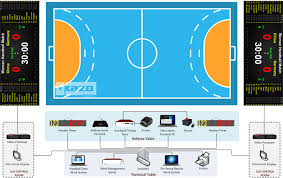
In handball, each goal counts as one point. Unlike some sports, there are no variations in the value of goals based on factors such as distance or manner of scoring.
4. Halftime and Fulltime Score:
The score is added up at the conclusion of each half, which lasts 30 minutes in professional matches, to get the halftime score. when the game is finished. The total goals scored by each team during the entire game is the final score.
5. Overtime (if applicable):

TIPS FOR COUNTING HANDBALL SCORES
In the event of a tie at the end of regulation time, some handball competitions may employ overtime periods to determine a winner. Overtime rules vary, but typically, the team with the most goals at the end of the overtime period(s) wins.
6. Penalty Shootouts (if applicable): In knockout competitions where a winner must be determined, such as tournaments or playoffs, penalty shootouts may be used to break ties. Each team takes turns attempting penalty throws, and the team with the most goals after a predetermined number of attempts wins.
7. Official Confirmation:
TIPS FOR COUNTING HANDBALL SCORES
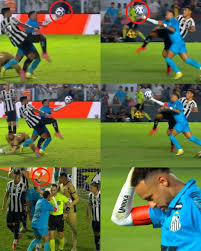
At the conclusion of the game, the referee(s) formally confirm the final score. The score is final once verified and cannot be altered.
Summary
In handball, the process of counting the score is simple but essential. to precisely monitor each team’s development during the game. Scorekeepers and officials can guarantee accurate and equitable scoring in handball matches by adhering to these rules. enabling both players and spectators to efficiently monitor the game’s progress.
Baseball rules. At first appearance, baseball’s regulations could seem complicated. They serve as the foundation for one of the world’s most cherished and lasting sports. Whether you’re participating on the field or watching from the stands. The appreciation and enjoyment of the game are increased when these rules are understood. So put on your cap, grab a glove, and immerse yourself in baseball’s ageless heritage.
BASEBALL RULES
Often referred to be America’s pastime, baseball is a sport that is profoundly embedded in the cultures of many nations worldwide. Although the game’s basic principles are easy to understand, inexperienced players may find its complex set of rules confusing at times. We hope to demystify baseball’s regulations in this piece, offering a thorough manual for both new and experienced viewers.
The Basics:
At its core, baseball is a game played between two teams of nine players each, with the objective of scoring more runs than the opposing team. The game is divided into innings, with each team alternating between batting and fielding.
The Field:
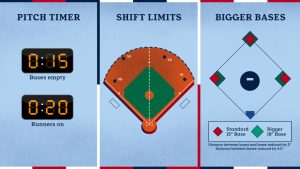
A standard baseball field consists of four bases arranged in a diamond shape: first base, second base, third base, and home plate. The distance between each base is 90 feet.
The Players:

Each team consists of nine players, including a pitcher, catcher, four infielders (first baseman, second baseman, shortstop, and third baseman), and three outfielders (left fielder, center fielder, and right fielder).
The Pitching:
The game begins with the pitcher throwing the ball from the pitcher’s mound towards home plate, aiming to deliver strikes (balls thrown within the strike zone) and induce outs. The batter attempts to hit the pitched ball with a bat.
Batting and Running:

BASEBALL RULES
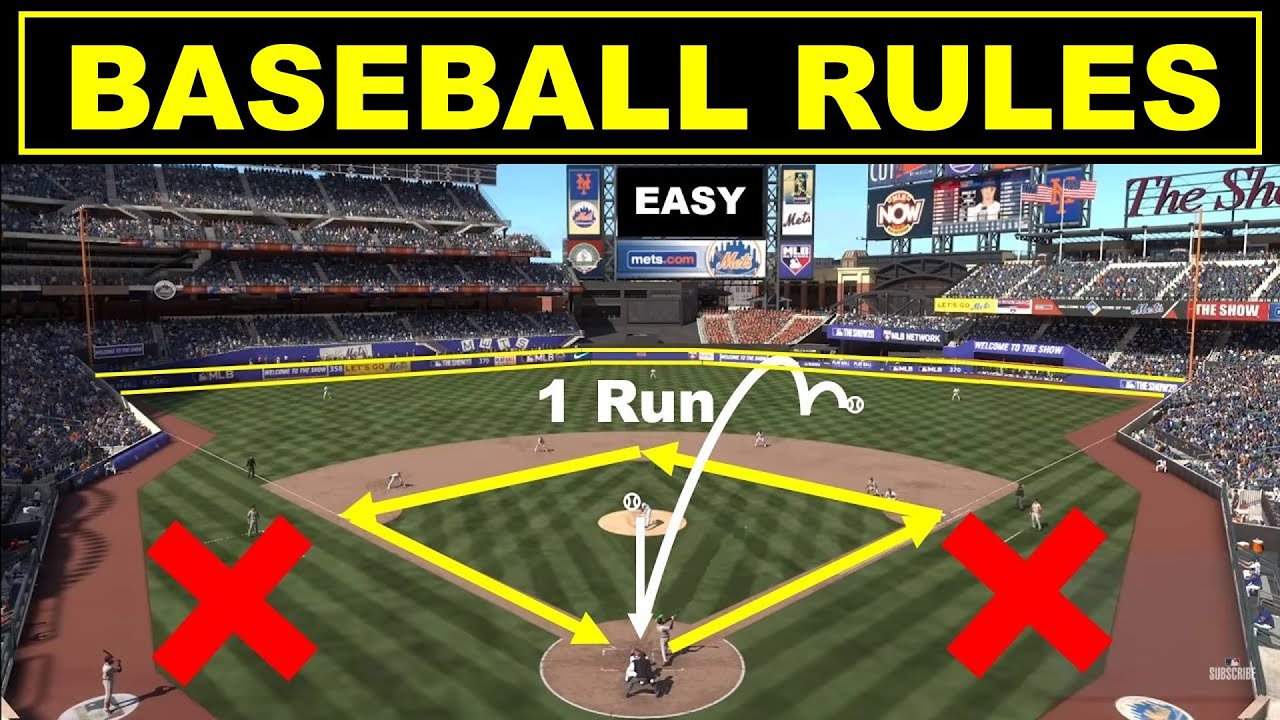
When a batter successfully hits the ball into fair territory, they become a baserunner. The batter runs counter-clockwise around the bases, aiming to reach home plate and score a run. Baserunners can advance to subsequent bases if the ball is hit into play or if they are forced to advance due to another runner’s actions.
Fielding and Outs:
The defensive team aims to prevent the batting team from scoring by fielding the ball and recording outs. Outs can be achieved by catching a batted ball before it touches the ground (a flyout). Tagging a baserunner with the ball, or forcing a baserunner out at a base.
Scoring Runs:

BASEBALL RULES
A run is scored when a baserunner successfully rounds all four bases and reaches home plate. Before the defensive team records three outs. The team with the most runs at the end of nine innings (or more, in the case of a tie) wins the game.
Umpires and Calls:
Umpires officiate the game, making calls on balls and strikes. Fair and foul balls, and safe and out calls. Their decisions are final and binding.
Summary
In baseball, two teams of nine players take turns batting and fielding in order to advance four bases and score more runs. The game lasts nine innings. While the defense seeks to record three outs through strikeouts, flyouts, or forceouts, the offense aims to hit the ball into fair zone and circle the bases.
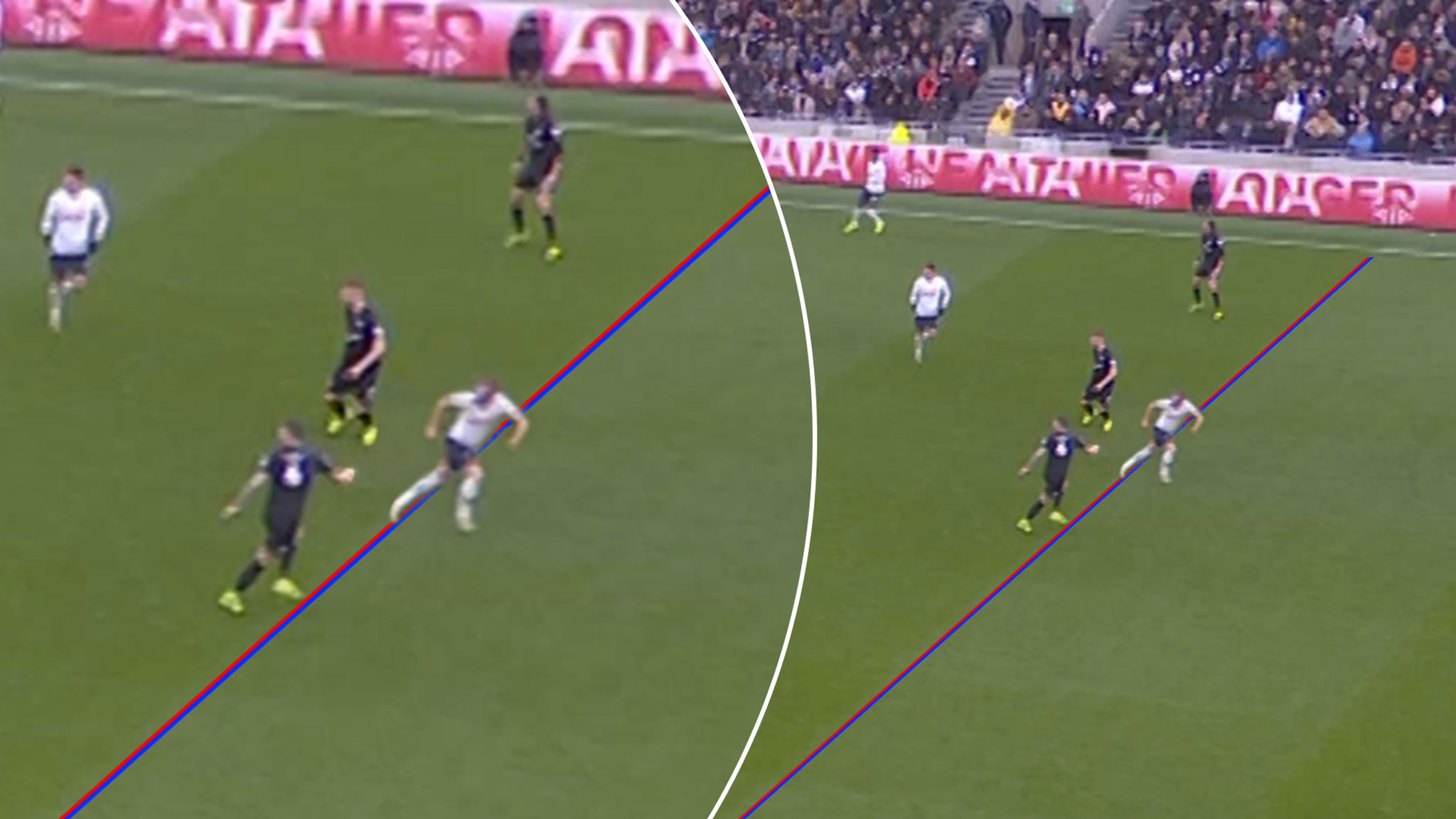
Offside rules in football. in the complex web of football regulations. The rule is particularly noteworthy as a pillar of tactical maneuvering and fair play. Even so, its use can occasionally be controversial. Its significance in determining the game’s dynamics cannot be disputed. Knowing the subtleties of the rule enhances one’s appreciation of football and demonstrates the intricate nature of the game.
OFFSIDE RULES IN FOOTBALL
One of the most contentious and misinterpreted rules in football is offside. and important rules pertaining to the lovely game. It may appear like an arbitrary restriction to the uninitiated observer. However, in practice, it plays a crucial role in preserving equity and tactical play on the field.
What is Offside?
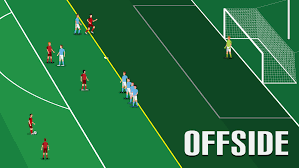
In its simplest form, the offside rule is designed to prevent attacking players from gaining an unfair advantage by positioning themselves closer to the opponent’s goal line than both the ball and the second-last opponent (usually the last defender) when the ball is played to them. In essence, a player is in an offside position if they are in the opposing team’s half and nearer to the opponent’s goal line than both the ball and the second-last opponent when the ball is passed to them.
Key Components of the Offside Rule:
1. Positioning: A player must be in an offside position at the moment the ball is played to them by a teammate.
2. Active Play:
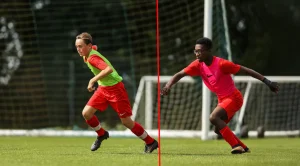
Being in the position alone is not an offense. The player must also be involved in active play, which includes receiving the ball or interfering with an opponent
3. The Second-Last Opponent: The position is judged concerning the second-last opponent, usually the last defender. This means that if there is only one defender between the attacking player and the goal line, they are not considered offside.
4. Timing: Timing is crucial. The player must time their movement to receive the ball precisely when it is played to them, not before.
The Role of Assistant Referees:
offside rules in football
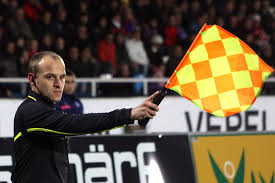
Assistant referees play a vital role in enforcing the offside rule. Positioned along the sidelines, they continuously monitor the positioning of attacking players in relation to the last line of defense. They signal an offside offense by raising their flag when they judge a player to be in an offside position and actively involved in play.
Impact on Gameplay:
The rule adds a layer of complexity and strategy to the game. Teams must carefully coordinate their movements to avoid falling foul of the trap set by the opposing defense. For attackers, timing their runs to perfection can be the difference between a goal-scoring opportunity and having the play called back for offside.
Controversy and Debate:

offside rules in football
Despite its clear guidelines, the offside rule often sparks controversy and debate among players, coaches, and fans. Close offside calls can be the subject of intense scrutiny and heated discussion, especially in high-stakes matches. Video Assistant Referee (VAR) technology has been introduced in many leagues to help reduce errors in offside decisions, but even with VAR, there remains room for interpretation and disagreement.
Summary
When a teammate plays the ball, a player is offside if any part of their head, torso, or feet are in the opponent’s half and closer to the goal line than the ball and the second-to-last defender. It is not illegal for them to be in this situation unless they actively participate.

Music Recording Apps for Phones

Review of Bandlab Music App

N-Track Studio Review

A Step-by-Step Guide to Deleting Reels on Instagram

A Comprehensive Guide to Setting Up a YouTube Premiere