
Career Guide
The Ultimate Guide to Creating a YouTube Channel


YouTube has revolutionized the way we consume video content, providing a platform for creators to share their passions, entertain, educate, and connect with audiences worldwide. If you’re ready to dive into the world of YouTube and start your own channel, follow these step-by-step instructions to get started:
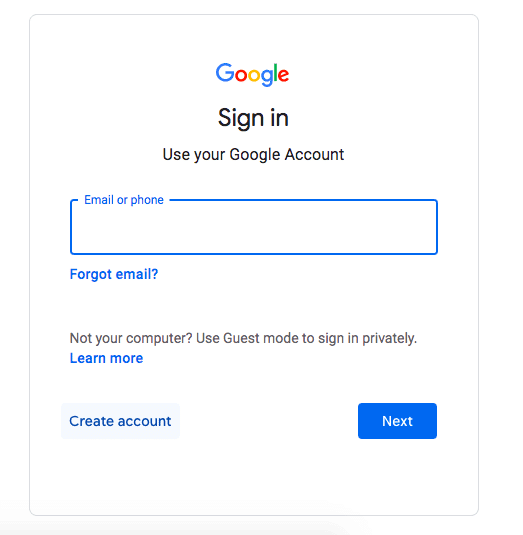
1. Sign in to YouTube:
If you already have a Google account, you can use it to sign in to YouTube. If not, create a Google account, and then sign in to YouTube using your credentials.
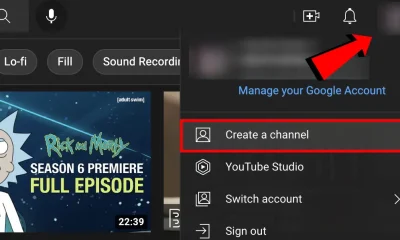
2. Click on Your Profile Picture:
Once signed in, click on your profile picture icon in the top right corner of the YouTube homepage. From the dropdown menu, select “Your Channel.”

3. Create Your Channel:
On the “Your Channel” page, click on the “Create Channel” button. You’ll be prompted to choose between using your name or a custom name for your channel. Select your preference and click “Create.”

4. Customize Your Channel:

After creating your channel, you can customize it to reflect your brand and personality:
– Channel Art: Upload a visually appealing banner that represents your channel’s theme or niche.
– Profile Picture: Choose a clear and recognizable profile picture, such as a logo or a high-quality photo of yourself.
– Channel Description: Write a brief description of your channel, including what type of content viewers can expect to find.
5. Upload Your First Video:
Now that your channel is set up, it’s time to upload your first video. Click on the camera icon with a plus sign (+) located at the top of the screen, then select “Upload Video.” Choose the video file from your computer or mobile device, add a title, description, and tags, and then click “Publish.”
6. Optimize Your Videos for Discovery:
To increase the visibility of your videos on YouTube, optimize them for search:
– Title: Use descriptive and engaging titles that include relevant keywords.
– Description: Write detailed descriptions that provide context for your video and include relevant keywords.
– Tags: Add tags that are relevant to your video’s content to improve searchability.
– Thumbnail: Choose eye-catching thumbnails that accurately represent your video and entice viewers to click.
7. Promote Your Channel:
Share your videos across your social media channels, website, and other digital platforms to attract viewers to your channel. Encourage friends, family, and colleagues to subscribe and share your content with their networks.
8. Engage with Your Audience:
Foster a sense of community on your channel by responding to comments, asking for feedback, and encouraging viewers to like, share, and subscribe. Host live Q&A sessions, polls, or contests to interact with your audience in real-time.
9. Upload Consistently:
Consistency is key to growing your YouTube channel. Develop a regular upload schedule and stick to it to keep your audience engaged and coming back for more content.
10. Monitor Your Analytics:
Keep track of your channel’s performance using YouTube Analytics. Analyze metrics such as watch time, audience demographics, and traffic sources to understand what content resonates with your audience and optimize your strategy accordingly.
By following these steps, you can create a successful YouTube channel and start sharing your content with the world. Remember to stay true to your unique voice and passions, and don’t be afraid to experiment with different types of content to find what works best for you and your audience.












Babysitting guidelines. It is a fulfilling profession that calls for commitment, planning, and a proactive attitude to guarantee children’s safety and wellbeing. You may give exceptional care and establish a solid reputation as a dependable and trustworthy babysitter by adhering to these best practices and advice. Your care and attention can have a big impact on the lives of infants, toddlers, and older kids as well as the trust you develop with their families.
BABYSITTING GUIDELINES
Being a babysitter is a big job that calls for tolerance, dependability, and a sincere affection for kids. Knowing the best practices and crucial advice may help guarantee a fun and safe experience for both you and the kids you look after, regardless of your level of experience. Here’s a comprehensive guide to babysitting.
Getting Started;

1. Obtain Necessary Training:
– First Aid and CPR Certification: Enroll in a certified first aid and CPR course. These skills are crucial in handling emergencies and ensuring the safety of the children.
– Babysitting Classes: Many organizations, such as the Red Cross, offer babysitting courses that cover the basics of child care, safety, and emergency protocols.
2. Know the Family and the Children:
– Meet in Advance: Arrange a meeting with the family before your first babysitting job. This allows you to get to know the parents and children, understand their routines, and address any special needs or concerns.
– Learn About Preferences: Ask about the children’s favorite activities, allergies, bedtime routines, and any household rules.
Preparing for the Babysitting Job;

1. Create a Checklist:
– Emergency Contacts: Have a list of emergency contacts, including parents’ phone numbers, neighbors, and local emergency services.
– Medical Information: Know any medical conditions, allergies, and the location of first aid supplies.
– House Rules: Be aware of any specific household rules regarding screen time, snacks, and bedtime.
2. Bring a Babysitting Kit:
– Entertainment: Pack books, games, and activities that are appropriate for the children’s ages.
– Essentials: Include basic supplies like wipes, tissues, a flashlight, and any personal items you may need.
During the Babysitting Job

1. Keep Children Engaged:
– Interactive Activities: Engage the children in activities such as reading, arts and crafts, and outdoor play. This not only keeps them entertained but also helps build a positive relationship.
– Limit Screen Time: Encourage creative play over screen time. Use electronics sparingly and according to the parents’ guidelines.
2. Ensure Safety at All Times:
– Supervision: Always keep a close eye on the children, especially during playtime and meals. Avoid distractions such as phone calls or social media.
3. Follow the Routine:

Babysitting guidelines
– Meals and Snacks: Provide healthy meals and snacks according to the parents’ instructions. Be mindful of any allergies or dietary restrictions.
Handling Emergencies;
1. Stay Calm and Collected:
– Assess the Situation: Quickly evaluate the situation to determine the severity of the emergency.
2. Know When to Seek Help:
– Non-Emergency Issues: For non-emergency issues, contact the parents or designated emergency contact for advice and assistance.
– Behavioral Problems: If a child exhibits behavioral problems, stay calm and use positive reinforcement and redirection techniques. Avoid physical punishment or harsh language.
Building a Good Reputation;

Babysitting guidelines
1. Communicate Effectively:
– Feedback: Provide detailed feedback to the parents about the day’s activities, meals, and any incidents. This helps build trust and ensures transparency.
2. Be Reliable and Punctual:
– Arrive on Time: Punctuality is crucial in building a positive relationship with the family.
Summary
The main tenets of babysitting standards are active monitoring, safety, and open communication. Securing emergency contacts, adhering to the family’s strict house rules, and never leaving kids alone are important duties.

Requirements to become a Nurse. A nurse is a certified healthcare practitioner committed to promoting health, avoiding disease, and providing care for the ill, injured, or frail. They serve as the cornerstone of the medical system, providing evidence-based treatment and comprehensive care in hospitals, clinics, schools, and private homes either on their own or in conjunction with doctors and surgeons.
.REQUIREMENTS TO BECOME A NURSE
Starting a nursing career is an honorable and fulfilling path, but it has prerequisites to guarantee skill and higg quality patient care. This in depth blog post will walk you through all of the prerequisites for becoming a nurse, including training, certification, and personal qualities that are essential for success in this fast-paced field of healthcare.
Educational Requirements;

1. High school Diploma or Equivalent: Getting a high school diploma or its equivalent, such as a general Educational Development (GED) certificate, is the first requirement for becoming a nurse. It can help to have solid background in biology, chemistry and mathematics.
2. Prerequisite College Courses: Completing prerequisite course in anatomy, physiology, microbiology, and psychology is mandatory for many nursing programs. The fundamental knowledge required for nursing education is covered in these courses.
Nursing Degree Programs:

To become a nurse, one can follow one of several different educational pathways, each with specific requirements:
Nursing diploma: A few hopital provide two to three year nursing diploma programs. These days, though this path is less typical.
Bachelor of Science in Nursing (BSN): University based BSN programs normally last four years. BSN holders are more in demand in the nursing field and frequently have wider job options.
Clinical Experience And Training;

Requirements to become a Nurse
Clinical Rotations: As part of the nursing curriculum, students participate in practical clinical rotations that enable them to apply their theoretical knowledge in actual healthcare settings. These rotations include a wide range of disciplines, including pediatrics, obstetrics, and medical-surgical nursing.
Simulation Labs: A lot of nursing programs include simulation labs where students can hone their abilities in a safe setting. This offers a secure environment for honing clinical skills prior to working with real patients.
Professional Attributes And Skills;

Requirements to become a Nurse
Effective Communication: Being able to communicate well is essential for nurses. To guarantee coordinated and thorough care, nurses must communicate openly and effectively with patients, families, and other medical professionals.
Empathy & Compassion: As a compassionate vocation, nursing requires the capacity to sympathize with patients during difficult situations. In addition to fostering trust, compassion improves patient outcomes.
Critical Thinking: In order to evaluate situations, make wise judgments, and efficiently prioritize treatment, nurses need to be very proficient in critical thinking. Rapid thinking is frequently needed in fast-paced healthcare settings.
Summary
A state or regional practice license, a recognized nursing degree (such as an ADN or BSN), and passing the necessary national licensing exam (such as the NCLEX or Nursing and Midwifery Council of Nigeria examinations) are normally prerequisites for becoming a nurse.
Benefits of internships. Internships are life-changing experiences that position you for long-term success in your chosen professional path and prepare you for future employment chances. They are more than just résumé boosters. Internships offer a multitude of advantages that can advance your career, from obtaining practical experience and honing critical skills to growing your professional network and defining your career objectives. Investing in internship opportunities can be a wise and fulfilling choice that opens the door to a bright and exciting future, regardless of your status as a student, new graduate, or career changer.
BENEFITS OF INTERNSHIPS
For students and new graduates, internships are priceless chances to obtain practical experience, hone critical skills, and expand their professional networks. Internships provide several advantages beyond just boosting your résumé, even if they may be seen as stepping stones to future work. This post will discuss five important advantages of internships that can help you succeed in your chosen professional path over the long term and prepare you for your future employment.
1. Hands-On Experience;

One of the most significant benefits of internships is the opportunity to gain hands-on experience in your field of interest. Unlike classroom learning, internships provide practical, real-world exposure to industry-specific tasks, projects, and challenges. Whether you’re interning at a corporate office, a research lab, or a nonprofit organization, you’ll have the chance to apply theoretical knowledge to practical situations, develop technical skills, and learn from experienced professionals in your field. This hands-on experience not only enhances your understanding of industry practices but also boosts your confidence and competence as you prepare to enter the workforce.
2. Skill Development:

Internships offer a unique environment for skill development and refinement across various domains, including communication, teamwork, problem-solving, and time management. By actively participating in workplace activities, collaborating with colleagues, and taking on responsibilities, you’ll hone essential soft skills that are highly valued by employers. Additionally, internships provide opportunities to master technical skills specific to your field, whether it’s coding, data analysis, graphic design, or marketing. These acquired skills not only make you a more attractive candidate for future job opportunities but also equip you with the tools necessary to excel in your chosen career path.
3. Networking Opportunities:

Benefits of internships
Internships provide invaluable networking opportunities that can open doors to future job prospects and career advancement. Throughout your internship, you’ll have the chance to connect with professionals in your industry, including supervisors, mentors, colleagues, and fellow interns.
4. Resume Enhancement:
Internships serve as powerful resume builders, allowing you to showcase relevant experience and skills to potential employers. Listing internships on your resume demonstrates your commitment to your chosen field, as well as your ability to apply classroom knowledge to real-world settings. Moreover, internships provide concrete examples of your accomplishments, contributions, and achievements, which can differentiate you from other job candidates and make your resume stand out to hiring managers.
5. Career Exploration and Clarification:

Benefits of internships
Internships offer a valuable opportunity for career exploration and clarification, allowing you to test-drive different roles, industries, and work environments before making long-term career decisions. Through exposure to various aspects of the job, you’ll gain insights into your strengths, interests, and preferences, helping you make more informed career choices moving forward.
Summary
Important career benefits from internships include obtaining industry-specific abilities, gaining professional experience, and expanding one’s network. They aid in bridging the gap between classroom theory and practical application, which frequently results in increased job placement rates, enhanced confidence, and possible full-time work offers, as mentioned in Indeed and GSDRC’s Benefits of Doing an Internship.

Nivea body wash for men

Business maintenance

Athlete conviction of murder

A Step-by-Step Guide to Deleting Reels on Instagram

A Comprehensive Guide to Setting Up a YouTube Premiere

How to Create a WhatsApp Group
-

 Health4 weeks ago
Carbonated drinks side effects
-

 Business4 weeks ago
Smart ideas for business startups
-

 Deodorants4 weeks ago
Reasons for wearing deodorants
-

 Deodorants3 weeks ago
Reviewing tom ford oud
-

 Deodorants4 weeks ago
Review for saint laurent black
-

 Deodorants4 weeks ago
Varieties of perfumes for women