Agriculture
Advantages of Deforestation


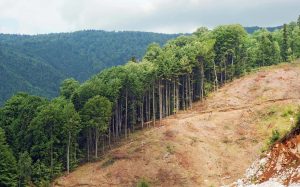
Advantages of Deforestation
Advantages of deforestation. The practice of cutting down trees to make way for other uses of the land is known as deforestation. The environment, fauna, weather, and climate can all be impacted by deforestation.
ADVANTAGES OF DEFORESTATION
Even though deforestation is frequently viewed through the prism of its detrimental effects on the environment, it can also have major positive effects on the economy and society. In many places, deforestation can open up opportunities for development and growth by boosting local economies, expanding agriculture, and creating jobs.
1. Economic expansion and advancement
Also, Significant economic advancement can be fueled by deforestation. It promotes employment creation and development by unlocking potential in a variety of sectors.
2. Strengthen local economies
Meanwhile, by selling timber and leasing land to companies, deforestation can help local governments make more money.
3. development of infrastructure


However, Roads and utilities can be built more easily when forest land is cleared. deforestation allows for the construction
4. Development of the agricultural sector
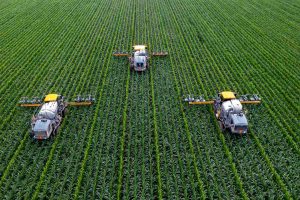

Although, Farmland expansion enables a variety of crops and livestock, such as palm oil and cattle ranching, which boosts the agricultural sector and food supplies. If managed sustainably, this can increased food production and improve food security.
5. Prospects for mining


Access to mineral-rich terrain is made possible by deforestation, creating new opportunities for mining operations that boost regional and national economies.
6. The industry of timber and wood products Forests provide the manufacturing sector with wood and wood products like paper and lumber.
7. The establishment of useable land
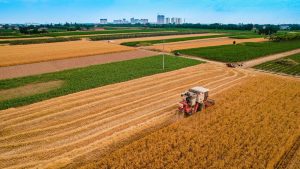

Although, Forest clearing increases the amount of useable space in an area by producing property that can be used for commercial development, farming, or housing.
8. Creation of jobs


Meanwhile, Deforestation-related activities, such as cutting forests and building infrastructure, support livelihoods and generate jobs.
9. Advantages for international trade


However, Participation in international trade benefits nations like China and Brazil, which are leaders in the export of timber and agricultural products.
10. Impact of climate change
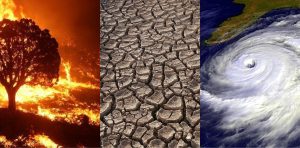

Deforestation creates space for carbon dioxide-absorbing agriculture, but it also increases greenhouse gas emissions.
11. The meat industry’s growth


Deforestation produces animal grazing areas that satisfy the growing demand for meat, particularly beef, worldwide.
12. Support for the energy industry


However, the energy sector can be diversified by using biomass from deforestation as fuel.
13. Urban growth


Meanwhile, Deforestation promotes urbanization, which makes it possible for cities and towns to expand.
14. Encouragement of innovation


Also, in science and technology Research and development in science and technology can take place on the new territory made accessible by deforestation.
15. Encouragement of building industry


Although, Building and housing can be increased by turning forest-cleared land into residential zones.
16. Improving the management of water resources
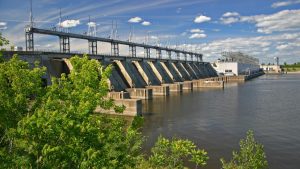

However, Deforestation can impact the water cycle which calls for creative management to reduce the risk of flooding and drought.
17. Benefits to the local community


However, new opportunities may present themselves to local communities, but it’s important to weigh them against indigenous peoples’ rights and customs.
18. Conservation
Meanwhile, through private sector initiatives Sometimes the commercial activities that deforestation allows, such sustainable logging, are used to finance conservation efforts.
19. Eliminating invasive species and pests


Also, There are certain advantages to selective clearance. Applying controlled forestry techniques, for example, can help control diseases and pests and allow a range of species to flourish in new, open environments.
Summary
Deforestation is a worldwide problem that impacts the ecosystem. The priceless trees are all destroyed. By using the aforementioned tactics, this man-made problem can be resolved with ease. T
Pingback: The Healing Power of Silence - SimplExplainer