vegetables
Advantages of Eating Radish



ADVANTAGES OF EATING RADISH
Advantages of eating radish. Root vegetables, radishes are members of the mustard or cruciferae family. They have a spicy, peppery flavor and can have red, black, yellow, purple, or pink skins. Enzymes found in horseradish, wasabi, and mustard roots also give them their flavor. They become milder in flavor when cooked. Southeast or Central Asia is probably where radishes originated. Their usage in medicine was equally common among the ancient Greeks and Romans.
ADVANTAGES OF EATING RADISH
Over time, the wild radish spread to new areas after people started growing it many thousand years ago.Some radishes are spherical and short, while others are long and thin. Antioxidants such vanillic acid, pyrogallol, catechin, and other phenolic compounds are found in radishes. The compounds known as antioxidants combat free radicals in your body.
1. qualities that combat cancer


Radish leaves have been demonstrated in numerous studies to possess antioxidant qualities. The liver, colon, breast, cervical, prostate, and lung cancers appear to be prevented by these antioxidants. According to a different study, the leaf extract inhibited the growth of a particular kind of breast cancer cell. However, much more study is required.
2. Improved liver health
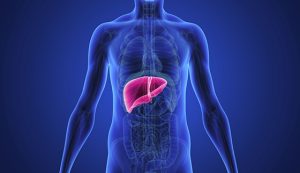

These vegetables include unique molecules termed 4-methylthio-3-butenyl-isothiocyanate and indole-3-carbinol, which assist activate enzymes believed to aid in the liver‘s removal of toxic substances.
3. Reduced chance of developing diabetes
Chemicals like glucosinolate and isothiocyanate, which are found in radishes, may help control blood sugar levels. According to preliminary research, they may provide you with energy and reduce the amount of glucose that your intestines absorb. Coenzyme Q10, an antioxidant present in the vegetable, has also been shown by researchers to help prevent the development of diabetes in rats. To validate these findings in humans, more research is required.
4. Reduced chance of heart disease


Your risk of heart disease can be decreased by controlling blood pressure with the aid of nutrients like vitamin C and minerals like calcium and potassium. Trigonelline, which is extremely abundant in the big Sakurajima daikon radish, has been shown in a short research to enhance blood vessel function in healthy individuals.
5. a healthy digestive system


According to one study, radish leaves may help with intestinal health and obesity reduction. Additionally, there is more fiber in the leaves than in the roots, and fiber helps avoid constipation. Fresh radish juice may help prevent stomach ulcers from developing, according to a mouse study. In a different study, mice given radish extracts after being fed a high-cholesterol diet showed reduced cholesterol levels.
6. antifungal characteristics
Because of its inherent antifungal qualities, this crop can inhibit the growth of infection-causing fungus. This is due to the presence of the antifungal protein RsAFP2.
7. assistance for Alzheimer’s


In one study, researchers discovered that mice given erucamide, a substance derived from radish leaves, outperformed mice not given this substance on memory tests. This implies that by enhancing the function of a particular brain region, erucamide may offer protection against memory issues associated with Alzheimer’s disease. However, more human research is required.
Summary
Radishes are nutrient-dense, low-calorie root vegetables. Radish is believed to have anticancer capabilities and to reduce the risk of diabetes and heart disease, while research on its health benefits is still ongoing. Remember to sample the leaves as they contain additional nutrients beyond what is found in the roots.