Fruits
Apricots and Health


Apricots and health. Armenian plums, or apricots (Prunus armeniaca), are stone fruits. They are golden and round, resembling a miniature peach, but they have the same tartness as purple plums. They have numerous health advantages, including better digestion and eye health, and are incredibly nutritious. These fruits are beneficial because they include dietary fiber, vitamins A and C, and antioxidants. They improve digestion, promote healthy skin and eyes, and may help decrease blood pressure. However, certain people should exercise caution because apricot seeds are poisonous and excessive eating might result in stomach problems.
APRICOTS AND HEALTH
Apricot is a versatile and healthy fruit that can improve your cooking as well as your overall health. They are a great complement to any diet because of their many health advantages and rich nutritional profile. Apricots will satisfy your palate and improve your health whether you eat them raw, dry, or cooked.
Nutritional Profile;
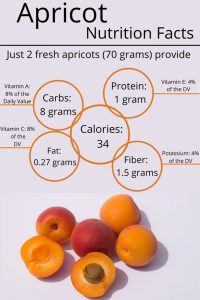

Apricots are low in calories but high in essential vitamins and minerals. A typical apricot contains:
Apricots are rich in beta-carotene, which the body converts into Vitamin A. This vitamin is crucial for maintaining healthy vision, immune function, and skin health.
– Vitamin C:
This antioxidant helps protect cells from damage, supports the immune system, and enhances iron absorption.
– Fiber:


Apricots are a good source of dietary fiber, which aids in digestion and helps maintain a healthy gut.
– Potassium:
This mineral is essential for heart health, helping to regulate blood pressure and fluid balance in the body.
Health Benefits;


Ripe apricots on a tree in orchard
1. Improved Vision:
The high levels of Vitamin A and beta-carotene in apricots contribute to good eye health. Regular consumption can help prevent age-related macular degeneration and maintain overall eye health.
2. Skin Health:
Apricots’ antioxidants, particularly Vitamin C and beta-carotene, help protect the skin from damage caused by free radicals and UV rays. They also promote skin elasticity and hydration.
3. Digestive Health:


Apricots and health
The fiber content in apricots supports healthy digestion by preventing constipation and promoting regular bowel movements.
4. Heart Health:
Potassium in apricots helps maintain normal blood pressure levels, reducing the risk of hypertension and stroke. The fiber content also contributes to lower cholesterol levels.
5. Hydration:


Apricots and health
Apricot have a high water content, making them an excellent choice for staying hydrated, especially during hot weather.
Culinary Uses;
Apricots can be enjoyed in a variety of ways:
– Fresh:
Enjoy them as a quick, nutritious snack.
– Dried:
Dried apricot make a convenient and portable snack, rich in concentrated nutrients.
– In Salads:


Apricots and health
Add fresh or dried apricots to salads for a sweet and tangy flavor.
– Desserts:
Use apricots in pies, tarts, and other baked goods for a burst of natural sweetness.
– Jams and Preserves:
Apricot make delicious jams and preserves that can be enjoyed year-round.
– Culinary Dishes:


Apricots and health
Incorporate apricot into savory dishes like tagines, where their sweetness complements spices and meats.
Summary
With their golden color and sweet, tart flavor, apricots are more than simply a fun summertime snack. These tiny fruits are rich in nutrients and have several health advantages. Apricots are a flexible and nourishing addition to any diet, whether they are used fresh, dried, or in a variety of culinary preparations.