Personal hygiene
Best Antibacterial Agents


BEST ANTIBACTERIAL AGENTS
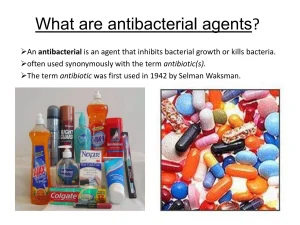
The “best” antibacterial drug varies on the particular infection, but frequent and successful classes include tetracyclines (like doxycycline), macrolides (like azithromycin), fluoroquinolones (like ciprofloxacin), and beta-lactams (like amoxicillin and cephalosporins). Although natural alternatives like essential oils of thyme and oregano show promise, external use is advised and caution should be exercised. Additionally, alcohols work well as broad-spectrum surface disinfectants.
Types of Antibacterial Agents;
1. Antibiotics:
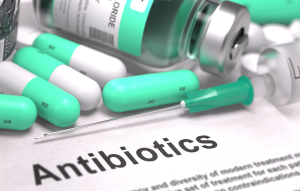

These are drugs specifically designed to target and kill bacteria or inhibit their growth. Antibiotics, such as penicillin and tetracycline. Are used to treat bacterial infections ranging from minor wounds to serious illnesses like pneumonia and tuberculosis. It’s essential to use antibiotics as prescribed to avoid resistance.
2. Antiseptics:
These are substances applied to living tissues to reduce the risk of infection. Common antiseptics include alcohol, iodine, and hydrogen peroxide. They are used for cleaning wounds and sanitizing skin before medical procedures.
3. Disinfectants:
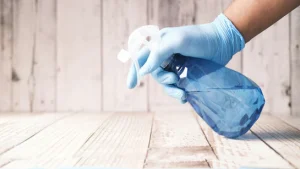
These agents are used on non-living surfaces to kill bacteria and other pathogens. Commonly found in cleaning products for households, hospitals, and public areas are disinfectants such bleach, phenols, and quaternary ammonium compounds.
4. Essential Oils:

BEST ANTIBACTERIAL AGENTS
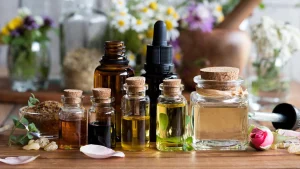
Some essential oils, like tea tree oil and eucalyptus oil, have natural antibacterial properties. They are often used in alternative medicine and natural cleaning solutions for their antimicrobial benefits.
Applications and Benefits;
BEST ANTIBACTERIAL AGENTS
1. In Medical Settings:
These are crucial in preventing and treating infections in hospitals and clinics. Proper use of antibiotics and antiseptics helps control the spread of bacterial diseases and supports recovery.
2. Daily Hygiene:
Antibacterial soaps and hand sanitizers help reduce the spread of bacteria and lower the risk of infections. Regular hand washing and cleaning with antibacterial agents contribute to overall public health.
3. In Food Safety:
Antibacterial agents are used to sanitize surfaces and equipment in food preparation areas, helping to prevent foodborne illnesses.
Proper Use and Considerations;

BEST ANTIBACTERIAL AGENTS
– Avoid Overuse:
Excessive use of antibiotics and antibacterial products can lead to antibiotic resistance, making bacteria harder to treat.
– Follow Instructions:
Use antibacterial agents according to guidelines to ensure their effectiveness and reduce the risk of adverse effects.
– Balance with Hygiene:
Regular hand washing and proper hygiene practices complement the use of antibacterial agents in preventing infections.
Summary
Any chemical that destroys or inhibits the growth of bacteria is an antibacterial. Antibiotics, a class of antibacterial drugs, fall within this wide category. Antibacterials are used to treat bacterial illnesses. They function by either directly killing bacteria (bactericidal) or stopping their growth. They can be synthetic, semi-synthetic, or natural.