Health
Bradykinesia Causes and Conditions

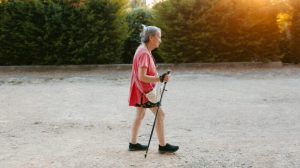

Braddykinesia causes and conditions. This slowness of movement, is a hallmark of Parkinson’s disease and is primarily caused by low dopamine. It is also associated with Lewy Body Dementia, Progressive Supranuclear Palsy, stroke, and Multiple System Atrophy (MSA). Toxins and medications, such as antipsychotics, can cause bradykinesia, which affects fine motor skills, speech, and walking, resulting in freezing and small movements.
BRADYKINESIA CAUSES AND CONDITIONS
Despite its difficulties, bradykinesia can be successfully treated with the right medical and therapeutic measures. To maximize motor function and enhance quality of life, early diagnosis and a thorough treatment plan are essential. Consulting a healthcare provider is crucial for appropriate management and assistance if you or someone you love is suffering from bradykinesia symptoms.
Causes and Conditions;
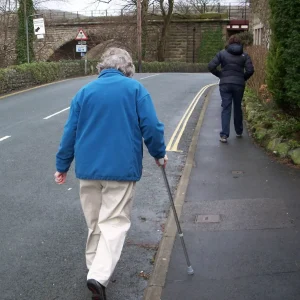

Bradykinesia is most commonly associated with Parkinson’s disease, a progressive neurological disorder characterized by the degeneration of dopamine-producing neurons in the brain. However, it can also occur in other conditions, including:
The most prevalent condition associated with bradykinesia, where the loss of dopamine leads to impaired motor control.
– Multiple System Atrophy:
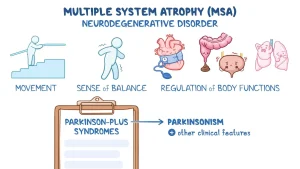

A rare neurodegenerative disorder that can cause bradykinesia alongside other motor and autonomic symptoms.
– Stroke or Traumatic Brain Injury:
Damage to specific areas of the brain can result in bradykinesia, depending on the location and extent of the injury.
Symptoms and Impact;


BRADYKINESIA CAUSES AND CONDITIONS
Bradykinesia manifests as a noticeable reduction in the speed and amplitude of movements. Symptoms may include:
– Slow and Reduced Movement: Difficulty initiating or performing movements quickly.
– Reduced Facial Expression: A decrease in spontaneous facial expressions, known as masked faces.
– Decreased Dexterity: Difficulty with fine motor tasks such as buttoning a shirt or writing.
These symptoms can lead to challenges in daily living, affecting tasks such as walking, eating, and personal hygiene.
Diagnosis;
Diagnosing bradykinesias involves a comprehensive evaluation by a healthcare provider, typically a neurologist. The assessment includes a detailed medical history, physical examination, and often neuroimaging to rule out other conditions. Diagnosis may also involve evaluating the response to specific treatments, such as dopaminergic medications, to confirm Parkinson’s disease.
Management and Treatment;


BRADYKINESIA CAUSES AND CONDITIONS
Managing bradykinesia involves a multi-faceted approach:
– Medications:
In conditions like Parkinson’s disease, medications such as levodopa and dopamine agonists can help improve motor function.
– Physical Therapy:


BRADYKINESIA CAUSES AND CONDITIONS
Tailored exercises and therapies can enhance movement speed, coordination, and overall mobility.
– Occupational Therapy:
Assistance with daily living activities and adaptive techniques can help manage the functional impact of bradykinesia.
Summary
A common sign of many neurological disorders is slowness of movement, which is referred to in medicine as bradykinesia. Bradykinesia, which comes from the Greek words “brady,” which means sluggish, and “kinesis,” which means movement, can have a major effect on day-to-day activities and quality of life.