Breastfeeding
Breastfeeding

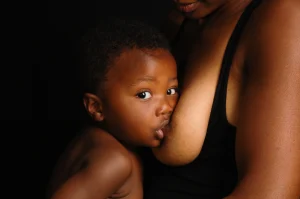

Breastfeeding. Also known as nursing, is the process of giving an infant breast milk, either directly from the breast or through expressed milk. It offers optimal nutrition, antibodies, and health benefits, such as a lower risk of illness for infants and a lower risk of cancer for mothers. Major health organizations recommend exclusive breastfeeding for the first six months of life, followed by solid foods for a year or longer. It begins with nutrient-rich colostrum and progresses to mature milk, which provides essential immune protection and promotes bonding. It also entails appropriate latching and common holds like the cradle hold.
BREASTFEEDING
Whether you’re pregnant or a new mother, you hear a lot of stories about nursing—some positive, some negative, and some ugly! Some of them could make you wonder if nursing is the right career choice for you. Breastfeeding differs from person to person and can be difficult at times. The good news is that our presence makes it easy for you to get the information you need at the most opportune time. Because there is so much information available, we have put together a list of common misconceptions and helpful details to help you.
Meaning of Facts and Myths;


BREASTFEEDING
Anything that is known to have happened or to exist is a fact, especially if there is documentation available. A myth is a conventional story that is usually told about supposedly true historical events. It might be used to explain religion, behavior, or natural phenomena.
Types of Myths about Breastfeeding;

BREASTFEEDING
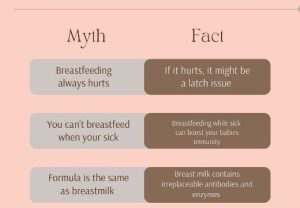
1. Within a day or two, you’ll know whether breastfeeding is effective for you. It shouldn’t be too difficult. It takes practice to breastfeed, and it can be difficult in the beginning.
2. Breastfeeding hurts. Breastfeeding shouldn’t hurt, but while your body adjusts to nursing, it’s normal for your breasts and nipples to feel sore and tender for a few days. Seek assistance from a lactation expert if you experience any pain or discomfort.
3. Although, throughout the initial several days, you won’t produce enough breastmilk. Colostrum, sometimes known as “liquid gold,” is the milk you produce in those early stages. This milk has every vitamin your baby might require. Its modest volume is sufficient to fill your newborn’s little stomach.
4. Also, fathers and other family members find it more difficult to form a bond with their breastfed child. a child is 12 months old or older. The American Academy of Pediatrics and the World Health Organization
Summary
Contrary to popular belief, breastfeeding is a learned skill (pain isn’t normal, but discomfort happens), milk production is supply/demand (not related to breast size), you don’t need a special diet (balanced nutrition is key), and you can take many medications while breastfeeding (check with a doctor). Myths also claim that nursing promotes drooping (pregnancy and heredity are major influences) or that you shouldn’t nurse when unwell since you pass antibodies rather than germs.