


Clementines, a popular variety of mandarin oranges, are cherished for their sweet flavor, juicy texture, and easy-to-peel skin. These small, seedless fruits are a delightful addition...


Satsuma oranges, often referred to simply as satsumas, are a variety of mandarin oranges celebrated for their sweet flavor, easy-to-peel skin, and seedless nature. Originating from...
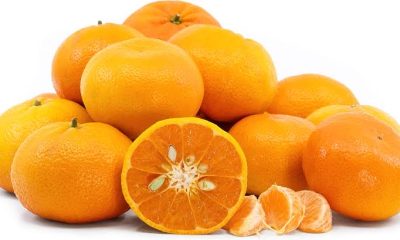

Honey tangerines, also known as honey mandarins, are a popular variety of tangerine renowned for their exceptionally sweet flavor and juiciness. Originating from Japan, these small...


Vitamin K is a crucial nutrient that plays a vital role in maintaining various aspects of health. It is essential for several physiological processes, making it...


Photosynthesis is a fundamental biological process that allows plants, algae, and certain bacteria to convert light energy from the sun into chemical energy in the form...


Maintaining a clean and germ-free environment is crucial for health and safety. Disinfectants play a key role in eliminating harmful pathogens from surfaces, helping to prevent...


Citrus fruits, including oranges, lemons, limes, and grapefruits, are renowned for their remarkable health benefits. Making them a vital addition to a balanced diet. These fruits...


Berries are not only delicious but also packed with nutrients that can significantly enhance your immune system. Rich in antioxidants, vitamins, and minerals, these small fruits...


Fortified foods are products that have been enhanced with additional nutrients to improve their nutritional value. This practice aims to combat nutrient deficiencies in the population...


Sterols, also known as steroid alcohols, are a subgroup of steroids and an important class of organic molecules. They are essential components of cell membranes...


