Health
Causes of FSHD


CAUSES OF FSHD
Causes of FSHD. An genetic condition known as facioscapulohumeral muscular dystrophy (FSHD) can affect any muscle in the body, although it often affects the muscles in the face and upper body. Usually, symptoms appear between adolescence and the ages of 20 and 30. Although FSHD cannot be cured, there are treatments that can help manage symptoms and maintain quality of life.
CAUSES OF FSHD
Although they can affect any muscle in the body, FSHD symptoms usually begin in the muscles of the face and upper body. The symptoms of FSHD, an inherited condition, usually appear between adolescence and the ages of 20 and 30, though they might begin in infancy. Although there isn’t a cure, there are treatments that can help you manage your symptoms and maintain your standard of living.
Types

95% of cases of FSHD1 occur when a gene that should be dormant in the majority of your cells becomes active. Proteins produced by the reactivated gene kill muscle cells.
The remaining instances are attributed to FSHD2. Protein from a reactivated gene destroys muscle, just like FSHD1. However, FSHD2 occurs when a separate gene changes, or mutates, causing a circumstance that activates the dormant genes.
Symptoms
The Latin word for face in medicine is facio. Individuals with FSHD are unable to sip with a straw or “purse” their lips to whistle. Because they are unable to close their eyes, they might sleep with them slightly open.
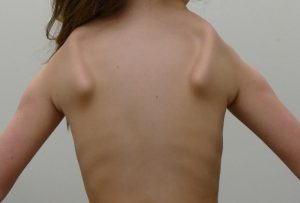
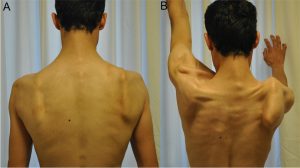
The Latin word for shoulder blade in anatomy is scapulo. The muscles that stabilize your shoulder blades are weakened by FSHD. Your shoulder blades resemble wings because they protrude and move up toward your neck as you move them. This is referred to by providers as scapular winging.
If you have FSHD, you won’t be able to lift your arms over your shoulders because your biceps and triceps are abnormally weak. Humeral is the Latin word for the upper arm and the physical term for the bone that runs from your shoulder to your elbow.
Causes


FSHD1 is caused by the reactivation of DUX4, a gene that is normally inactive in the majority of your body’s cells. The reactivated gene produces proteins that damage muscles, and over time, the affected muscles weaken and atrophy (shrink). FSHD2 is caused by a mutation in the SMCHD1 gene, which normally produces proteins that help prevent DUX4 genes from being reactivated; when SMCHD1 changes, however, it ceases to function. Similar to FSHD1, the reactivated DUX4 genes harm muscles.
Treatment
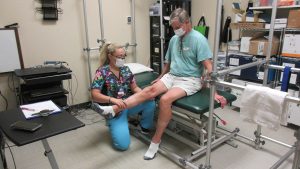

physical treatment.
Orthotic devices that assist weak muscles include braces to support your shoulders and relieve shoulder pain, back supports, and corsets for weak stomach muscles.
You can walk more easily and lower your risk of falling by using orthotics in your shoes.
scapular fixation surgery to increase shoulder range of motion.
Summary
When you are told that you have facioscapulohumeral muscular dystrophy (FSHD), you may feel relieved because you now understand why your muscles aren’t functioning normally, such as why you can’t lift your arms or smile. However, you may also be concerned about what can happen next.