Health
Causes of Pharyngitis


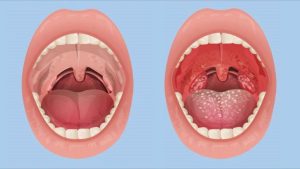
CAUSES OF PHARYNGITIS
Causes of pharyngitis. Pharyngitis, or sore throat, is characterized by a burning or scratching sensation in the back of the throat. Speaking or swallowing may cause pain. The majority of sore throats are caused by viral infections, such as the flu or the common cold. You might experience symptoms like a runny nose or cough in addition to the soreness. The majority of sore throat symptoms disappear in three to ten days. Pharyngitis can be brought on by a variety of factors, including allergies, sleeping with your mouth open, and bacterial and viral infections.
CAUSES OF PHARYNGITIS
With home care, the majority of sore throat symptoms disappear in a few days. However, if your sore throat persists for more than a week, worsens, or you experience symptoms like fever or swollen lymph nodes, you should see a doctor. Inflammation of the pharynx, located in the back of the throat, is known as pharyngitis. The most common term for it is just “sore throat.” Swallowing difficulties and a scratchy throat are other symptoms of pharyngitis.
Types
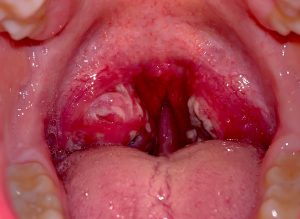

A sore throat lasting three to ten days is known as acute pharyngitis. Acute pharyngitis causes the majority of sore throats. A sore throat that persists for more than ten days (typically several weeks) or that keeps coming back after you recover is known as chronic pharyngitis.
Symptoms


A dry, raspy feeling in your throat could be the first sign of pharyngitis. You might experience a sharp pain in your throat when you swallow or speak if your sore throat worsens. The pain may radiate down the side of your neck or into your ears. Other signs of an infection that is causing your sore throat could be: sneezing, loss of appetite Fever. • Headache. • An upset stomach. The lymph nodes are enlarged. • Congestion of the nose (stuffy nose). • A runny nose. Cough. • Exhaustion. • A hoarse voice. • Swelling or redness in your tonsils and throat. • White spots, streaks, or patches in your tonsils and throat.
Causes


Bacterial infection: Sore throats can result from bacterial sinus infections and strep throat. • Tonsillitis: This condition is brought on by an infection and inflammation of the tonsils. Tonsillitis can be caused by either bacteria or viruses. • Allergies: Mucus from your nose may drip down the back of your throat as a result of allergic reactions to mold, dust mites, pollen, or pets. A sore throat may result from this.
Treatment


Antibiotics: To treat a bacterial infection, you might require antibiotics. The majority of people must take them for ten days. • OTC antihistamine drugs: These drugs can dry out postnasal drip caused by allergies. • Over-the-counter antacids: Antacids can relieve acid reflux, which can lead to sore throats and heartburn. Other actions, such as avoiding large meals right before bed, might be beneficial. • Prescription mouthwash: Your doctor may recommend a special mouthwash, sometimes referred to as “magic mouthwash,” that contains a combination of numbing agents for a severe sore throat caused by diseases like cancer.
Prevention


Maintain your current flu vaccinations. • Wash your hands frequently with soap and water or sanitizers that contain alcohol. Steer clear of sharing utensils, food, or beverages. Stay away from people who have colds or other respiratory infections that are contagious. In order to lower the chance of spreading infectious diseases, stay away from other people when you’re ill.
Summary
A tickle in the back of your throat could have been the first sign of your sore throat. It hurts a lot when you swallow or speak, and that tickle is a real pain. The most common cause of pharyngitis is a viral infection that will go away in about a week. However, if a bacterial infection is the cause of your soreness, you might require antibiotics. Thankfully, a variety of natural solutions are available to relieve sore throats.