Children
Child Neglect



Child neglect. Inadequate supervision, food, or medical attention, as well as unfulfilled demands that the victim is unable to meet on their own, can all be considered forms of neglect. The phrase is also used when people who are in charge of giving animals, plants, and even inanimate things the essential care fail to do so. Physical harm, developmental trauma disorder, low self-esteem, attention problems, aggressive behavior, and even death are just a few of the long-term consequences that can result from neglect.
CHILD NEGLECT
Neglect, or the failure to regularly meet a child’s needs, is the most common kind of child maltreatment. A child may be ignored and abandoned, deprived of food, hygienic clothing, appropriate shelter, guidance, and education. Perhaps they’re not receiving enough medical care and aren’t performing well. Neglect may make the child vulnerable to other forms of abuse.
Poverty:
The unfortunate reality is that children are not always given the priority they need if their parents are struggling to make ends meet. Children should never be neglected as long as their care is given priority, even in cases where families are living in great poverty.
Lack of education:
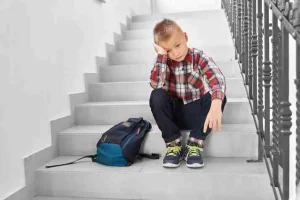

Having experienced neglect themselves, parents may have missed a significant portion of their schooling. Due to their lack of qualifications, they can find it difficult to get work and become reliant on “benefits.” Living like this is a pass to being impoverished.
Serious marital/relationship problems:
Children frequently see or feel the effects of their parents’ marital problems. A difficult split or divorce can be emotionally and temporally taxing. This may result in parents ignoring their kids as they take care of their problems.
More Neglects;
Violence among parents:


Once more, kids might end up being victims of violence as well as witnesses to its aftermath. Long-term effects may result from the impact, which may be significant on a psychological and physical level.
No support from the extended family:

Child neglect
The absence of aunts, uncles, and grandparents may indicate that a child’s parent(s) lacks support. With no one to “babysit” or kid mind while they go shopping, or to work, or to provide support and direction,
Lack of knowledge and skills in raising children:
Parents can experience parental neglect. They will already be behind when it comes to caring for and rearing a child, so this will come as no surprise.
Loneliness and social isolation:

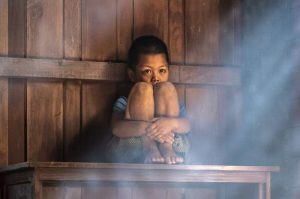
Child neglect
When parents are unable to ask friends and relatives for help and guidance, their capacity to care for their child naturally suffers. When tasked with parenting a child alone, and perhaps in trying circumstances, the psychological effects of solitude can be significant. Neglect
Summary
Child neglect is a serious form of child abuse that occurs when caregivers fail to meet a child’s basic needs, such as food, clothing, shelter, healthcare, education, or supervision. This deprivation of physical, emotional, social, or safety necessities that are essential for a child’s healthy development.