Deodorants
Cologne and Perfume Comparison

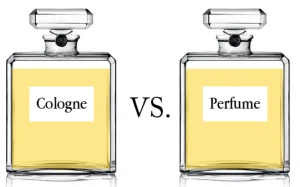

Cologne and perfume comparison. Traditionally, cologne has been marketed to men, but with the abundance of unisex colognes on the market today, this is changing. Cologne is a popular option for daily wear due to its lighter and more informal nature. It is also typically less expensive than perfume, making it more accessible.
COLOGNE AND PERFUME COMPARISON
The world of fragrances can be complex, with phrases like perfume and cologne frequently used interchangeably. Nonetheless, they embody discrete classifications within the range of fragrances, each possessing distinct attributes. Cologne and perfume differ in the following four main ways:
1. Concentration of Fragrance Oils;


The most significant difference between cologne and perfume lies in the concentration of fragrance oils they contain. Perfume, also known as parfum, has the highest concentration of fragrance oils, typically ranging from 20% to 30%. This high concentration ensures that perfume is long-lasting, often remaining noticeable on the skin for up to 24 hours or more.
Cologne, on the other hand, has a much lower concentration of fragrance oils, usually between 2% and 4%. This lower concentration means that cologne is lighter and generally evaporates faster, with its scent lasting around 2 to 4 hours. The diluted nature of cologne makes it a popular choice for daytime wear or warmer climates where a lighter fragrance is preferable.
2. Intensity and Longevity;


Due to its higher concentration of fragrance oils, perfume tends to be more intense and potent compared to cologne. The depth and complexity of perfume allow it to unfold in layers, revealing different notes over time. This makes perfume an excellent choice for evening events or occasions where a lasting impression is desired.
Cologne’s lower intensity makes it a more subtle option, often appreciated for its refreshing and invigorating qualities. It’s ideal for daily use, providing a pleasant scent without overwhelming the senses. The lighter nature of cologne also means it requires more frequent reapplication to maintain its presence throughout the day.
3. Composition and Scent Profiles;


The composition of perfume and cologne also varies significantly, influencing their overall scent profiles. Perfume is typically composed of a rich blend of top, middle, and base notes. These layers create a multi-dimensional fragrance that evolves over time, with the top notes providing an initial burst of scent, the middle notes forming the heart of the fragrance, and the base notes offering a lasting foundation.
Cologne usually focuses more on the top notes, providing an immediate but fleeting burst of fragrance. The simpler composition of cologne often results in a fresher, more straightforward scent profile. Common notes in cologne include citrus, herbs, and light florals, which contribute to its refreshing and crisp character.
4. Target Audience and Marketing;


Historically, the terms cologne and perfume have also been associated with different target audiences and marketing strategies. Perfume, with its high concentration and complex scent profile, is often marketed towards women, though unisex and men’s perfumes are also prevalent. The luxurious and long-lasting nature of perfume positions it as a premium product, often reflected in its higher price point.
Summary
Knowing the distinctions between perfume and cologne will enable you to choose wisely depending on your requirements and tastes. Each offers a different approach to express your individual style through aroma, whether you want the fresh subtlety of cologne or the intensity and longevity of perfume.