Elections
Conducting Elections Relevance

Conducting elections relevance. Every person of the nation can vote once they become eighteen. An election is a voting procedure in which the general public chooses who should make up the governing body to work toward the nation in representative institutions like the Parliament, Legislative bodies, etc. These days, there are two methods available for holding elections: the ballot system, which involves placing a ballot paper with the name of the political party written on it in a secure box, or the electronic voting machines, which require pressing a button next to the name of the preferred option before that option is stored. India, the world’s largest democracy, is unable to avoid the necessity of holding frequent, reasonable elections.
CONDUCTING ELECTIONS RELEVANCE
As mentioned previously, democracy is meaningless without actual elections. Voters can express their thoughts and decide what is best for themselves and their country through elections, which are consistently regulated. Elections are not a novel idea in India after independence. Even before independence, elections were held; nevertheless, there were very few options and voices available, and the franchise may not have been especially equitable.
1. Leadership choice;
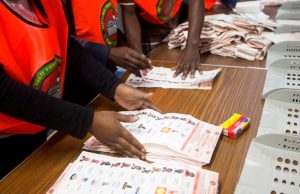

Every individual who participates in elections has the ability to select their own leader by voting for the designated politician or political party.
2. Change of leadership;
In any democracy, the people have the final say, therefore if they disagree with the policies of the current administration, they can express their views. They can alter the government by carefully selecting their next set of votes. 3. Political participation: One can always take part in the conversation if they believe that a problem is not being addressed by the majority of political parties or that their solution needs to be modified. This is because they are responsible citizens.
3. Self-corrective system;


Because of the regularity of the Indian election system, it serves as a sort of check on the political parties’ work, reiterating that they will not form the government if they are not effective enough in their job.
4. Preserve Democracy;
The ability to vote is essential to a democracy’s viability. A high turnout of voters demonstrates a healthy, involved public and enhances the legitimacy of the democratic process.
5. Act as a Voice for Your Community;


By casting a ballot, you can make sure that the issues and demands of your community are heard. For underrepresented communities in particular, voting is crucial to ensuring that their concerns are heard and taken into consideration.
6. Affect Local Issues;
Compared to national elections, local elections frequently have a more direct and immediate effect on your day-to-day. Participating in these elections’ influences community services, schools, and local governance.
7. Encourage Civic Duty;

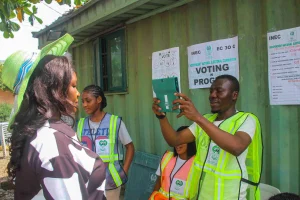
CONDUCTING ELECTIONS RELEVANCE
Being a responsible citizen includes voting. It’s a chance to get involved in your nation’s civic life and contribute to the common good.
8. Create a Better Future;


CONDUCTING ELECTIONS RELEVANCE
Also, voting is ultimately about creating a better future. It is a means of guaranteeing that the world we leave for the following generation is just, equitable, and prosperous.
Summary
In representative institutions like the Parliament and Legislative bodies, elections are a vote process where the people select the leaders of the nation. After they turn 18, all citizens of the country are entitled to vote.