Personal hygiene
Cracked Heels Management


Cracked heels management. Using home treatments like exfoliating and balms may help cure cracked heels. However, a doctor can suggest an alternative course of treatment if you have diabetes or your heels are badly cracked. Both adults and children may experience this, though women appear to be more affected than males. Most people don’t take having cracked heels seriously. Going barefoot could be uncomfortable. Cracks in the heels can occasionally grow very deep and hurt. To find out how to prevent and treat cracked heels at home, continue reading.
CRACKED HEELS MANAGEMENT
A typical foot issue is a cracked heel. It happens when your heels’ thick, dry skin fractures and cracks. If the cracks are little, they are usually only an annoyance and may not be visually appealing, but if they are not fixed, they could become a problem. Focus on protection, exfoliation, and hydration to treat cracked feet. Dry, cracked skin can be repaired by soaking your feet in warm water, exfoliating them with a loofah or pumice stone, hydrating them with a thick cream, and wearing socks at night.
How to repair cracked heels at home;
1. Heavy moisturizers or heel balm


Using a heel balm is the first line of treatment for cracked heels. Ingredients in these balms soften, hydrate, and exfoliate dead skin. Keep an eye out for the following components: Urea (Heel Balm Flexitol) Kalasal, or salicylic acid Amlactin is an alpha-hydroxy acid. isomerate of saccharides These heel balms are available online or over-the-counter at pharmacies.
2. Give your feet a soak and scrub them
Generally speaking, the skin surrounding broken heels is drier and thicker than the surrounding skin. When pressure is applied, this skin has a tendency to crack. This can be resolved by soaking and hydrating your feet. Here are some pointers. To soak your feet: For up to 20 minutes, soak your feet in lukewarm, soapy water. To get rid of any tough, thick skin, use a loofah, foot scrubber, or pumice stone.
3. Dry your feet gently
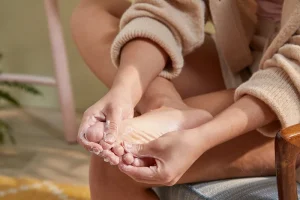

On the afflicted area, apply a heavy moisturizer or heel balm. To seal in moisture, apply petroleum jelly to your feet. To prevent splattering grease, put on socks.
4. A liquid bandage


To seal the wound and stop infections or additional cracking, you can also apply liquid bandages to the cracks. You can go about your day without worrying about the bandage coming off because this product comes in a spray form. A helpful treatment for deep, potentially bleeding heel cracks is a liquid bandage. Clean, dry skin should be covered with a liquid bandage. The covering is pushed to the skin’s surface as the fissure heals. This product is available online or at pharmacies without a prescription. Using super glue to seal skin fissures has been successful for some people.
5. Honey
A natural solution for damaged heels could be honey. A 2012 review (Trusted Source) claims that honey possesses antibacterial and antimicrobial qualities. Honey has been shown to hydrate skin and aid in wound healing and cleansing. Honey can be used as a foot mask overnight or used as a foot scrub following a soak.
6. Oil from coconuts


For psoriasis, eczema, and dry skin, Coconut oil is frequently suggested. It may aid in the retention of moisture in your skin. After soaking your feet, you might choose to use coconut oil. The antibacterial and anti-inflammatory qualities of coconut oil may help heal cracked heels that are prone to infections or bleeding.
Summary
Cracked heels are often not a reason for alarm. With over-the-counter or home medicines, you might be able to alleviate the illness. Consult a physician if you have diabetes or other underlying medical disorders, or if you have a severe case of cracked heels. Seeing a doctor is crucial in order to avoid possibly dangerous complications.