Business
Demerits of Goods Exportation

Demerits of goods exportation. Exporting is the process of sending goods and services from one’s own country to another. Similarly, bringing goods and services into one’s own nation means purchasing them from foreign markets. Since it rarely costs anything to set up a production plant overseas, this is the most straightforward way for a business to access the global market. Distribution networks are all that are required to successfully import or export goods.
DEMERITS OF GOODS EXPORTATION
Producing goods and services in one nation and then selling them to customers in another is known as exporting. Notwithstanding the difficulties and dangers involved, exporting has several advantages that being based in the local market is unlikely to provide. A few drawbacks of exporting commodities are listed below.
1. Disruptions to the supply chain;
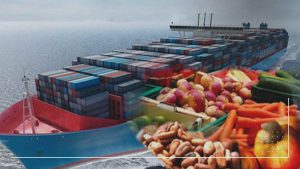

Your company’s success is at stake due to delayed shipments and the resulting supply chain interruptions. Products that are not delivered to the customer cause dissatisfied consumers and refunds, which incur unnecessary costs for your company.
2. Expensive;
upfront expenses It can take a significant initial investment to start a profitable exporting company. Costs associated with market research, marketing campaigns and initiatives, administrative expenses, and staff travel can mount up quickly.
3. Export permits and records;
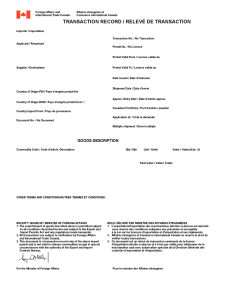

It’s possible that your product needs a license, even though 95% of all exported commodities do not. Being up to date on rules and regulations is your responsibility as an exporter. If you don’t, your company may incur significant legal and financial expenses.
4. Product customization;
Different rules and consumer preferences exist in foreign markets. Adherence to these criteria is a must for exporters. This may force your company to alter its offerings, which could incur additional expenses.
5. Disruptions to politics;

Demerits of goods exportation
Trade wars and other political events can hurt the exporting industry, just like export/import laws and regulations can.
6. Barriers based on culture;
Devoting resources to cultural knowledge is crucial if you intend to export to a nation with a radically different culture. For new enterprises, cultural norms and language problems can be major obstacles.
7. Changes in exchange rates;


Demerits of goods exportation
Changes in currency rates might cost your company sales and, consequently, revenue. Simply put, the exchange rate is the cost of purchasing one currency in terms of another currency.
8. Multicurrency transactions;


Demerits of goods exportation
Receiving and sending overseas payments in foreign currencies might wind up costing your company a lot of money in currency conversion fees since bad exchange rates and hidden costs mount up quickly.
Summary
Exporting goods and services broadens the scope of local economies and opens up new opportunities for growth. It is a powerful instrument for businesses of all sizes to make their mark on the world stage. We will examine exporting in greater detail to see how it might transform product life cycles, risk distribution, revenue growth, and market diversification.