tooth health
Dental needs and toothbrushes

Dental needs and toothbrushes. Use a soft-bristled toothbrush twice a day for two minutes, changing it every three to four months, for the best possible dental health. Soft bristles avoid the hazards associated with medium or hard brushes, such as gum irritation and enamel damage. While manual toothbrushes work well when used correctly, electric toothbrushes are better for people with braces or limited dexterity.
DENTAL NEEDS AND TOOTHBRUSHES
In 1938, the first iteration of the toothbrush that we use today was created. Previous iterations included everything from tattered sticks to brushes with horsehair and feather bristles. Nowadays, purchasing a toothbrush is much more commonplace because brushing our teeth has become an integral part of the daily routine for most people. Nonetheless, there are still a lot of toothbrush options available, which may make it difficult to select the best toothbrush for your dental needs.
Types of Toothbrush;
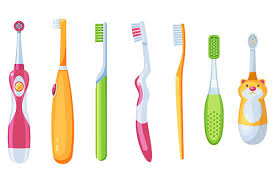

In order to shield their gums and tooth enamel from harsh brushing, the majority of dentists advise their patients to use toothbrushes with soft bristles. But there are a lot of different kinds of toothbrushes at your neighborhood grocery store; knowing what makes them different can help you select the right one for your purposes.
Manual Toothbrushes;
There are several types of manual toothbrushes available, including medium, hard, and soft bristles. Since soft bristles won’t irritate your gums or erode tooth enamel, they are typically safer and better for your dental health. Medium and firm bristle brushes, however, do remove more plaque; if you choose this course of action, be sure to brush your teeth gently and first consult your dentist.
Electric Toothbrushes;

Dental needs and toothbrushes
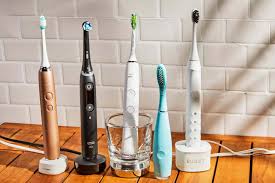
Compared to side-to-side manual brushing options, electric toothbrushes are more comprehensive and effective, providing superior cleaning coverage thanks to their simple, multidirectional brushing abilities. They cost more than manual toothbrushes, which is a drawback. Nonetheless, there are various speed settings available, and frequently, replacing the brush heads is all that is needed rather than the complete apparatus.
Best Toothbrushes for Braces;
Although electric toothbrushes are a great choice in general, people wearing braces can benefit most from them as they provide a more thorough cleaning that reaches in between and under little metal components like brackets.
Best Toothbrushes for Sensitive Gums;

Dental needs and toothbrushes
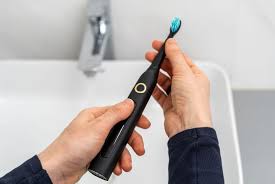
Generally speaking, soft bristles toothbrushes are a suitable choice for anyone with gum disease or sensitive gums, particularly those who have difficulty flossing.
Summary
To prevent tooth decay and gum disease, everyday preventative care and routine professional examinations are essential dental needs. Flossing every day, brushing twice a day with fluoride toothpaste, and going to the dentist for cleanings every six months are important habits. Maintaining good dental hygiene promotes general systemic health and reduces discomfort and infection. To keep your gums healthy and clean, add a Sulcabrush or similar device into your daily regimen.