Uncategorized
Deworming and Natural Methods

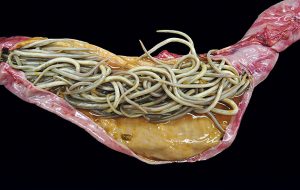

Deworming and natural methods. These natural remedies are not a replacement for medical care, even if they might be helpful in promoting general health and possibly helping with deworming. For an accurate diagnosis and course of treatment, it is imperative that you speak with a healthcare provider if you think you may have a parasite infection. Depending on the kind of parasite present and your particular medical requirements, they can recommend the right drugs.
DEWORMING AND NATURAL METHODS
Deworming can be accomplished using a variety of natural techniques, albeit their efficacy varies. For appropriate advice and treatment, it is crucial to speak with a healthcare provider. The following natural techniques are frequently recommended for deworming:
1. Garlic:

DEWORMING AND NATURAL METHODS
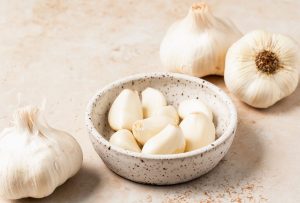
Garlic has been widely used for its anti-parasitic qualities. Consuming raw garlic or garlic supplements may help fight some parasites. Nevertheless, the evidence for its usefulness is minimal, and huge doses of garlic could prove hazardous, so use it with caution.
2. Pumpkin Seeds:
Pumpkin seeds contain an amino acid called cucurbitacin, which has anti-parasitic properties. Consuming raw pumpkin seeds or pumpkin seed oil may help expel intestinal parasites. Some people grind the seeds and mix them with juice or water for easier consumption.
3. Papaya Seeds:

DEWORMING AND NATURAL METHODS
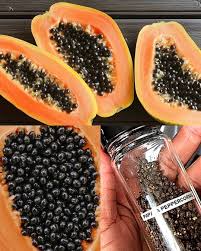
Papaya seeds contain an enzyme called papain, which may help in killing intestinal parasites. Consuming a small amount of raw papaya seeds on an empty stomach followed by a laxative can help expel worms.
4. Wormwood:
Wormwood, also known as Artemisia annua, is an herb traditionally used for its anti-parasitic properties. It contains compounds like artemisinin, which may help in killing parasites. However, wormwood should be used with caution and under the guidance of a healthcare professional, as it can be toxic in large amounts.
5. Cloves:

DEWORMING AND NATURAL METHODS
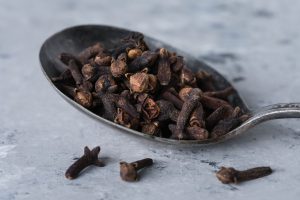
Cloves contain compounds like eugenol, which have been shown to have anti-parasitic properties. Consuming ground cloves or clove oil may help in deworming, particularly against intestinal parasites.
6. Probiotics:
Probiotics are beneficial bacteria that can help restore the balance of gut flora, which may indirectly help in controlling parasitic infections. Consuming probiotic-rich foods like yogurt, kefir, sauerkraut, and kimchi may support gut health.
7. Dietary Changes:


Making dietary changes such as reducing sugar and refined carbohydrates, increasing fiber intake, and consuming more fruits and vegetables can help create an environment in the gut that is less hospitable to parasites.
8. Hygiene Practices:


Practicing good hygiene, such as washing hands thoroughly with soap and water before eating or handling food, can help prevent the transmission of parasitic infections.
Summary
Using foods and plants like garlic, papaya seeds, and pumpkin seeds, along with maintaining proper hygiene to avoid infection, are all part of natural deworming techniques. For a correct diagnosis and course of treatment, it is essential to see a doctor because natural therapies are frequently less successful than prescription drugs.