Health
Deworming signs and medications

Deworming signs and medications. For an accurate diagnosis and course of treatment, you must speak with a healthcare provider if you encounter any of these symptoms. For a variety of parasitic illnesses, deworming drugs are available; however, the precise course of treatment will vary depending on the type of parasite. Additionally, the risk of parasite diseases can be decreased by preventive measures such proper sanitation and routine veterinary care for pets.
DEWORMING SIGNS AND MEDICATIONS
Intestinal parasites are eradicated via deworming. Unexplained weight loss, ongoing stomach pain, anal itching (particularly at night), and obvious worms in your feces are important indicators that you could require therapy. Albendazole and mebendazole are examples of standard drugs that are usually used every six to twelve months.
Several signs may indicate that it’s time for deworming, especially if you have pets or live in areas where parasitic infections are common.
Here are some signs to watch for:
1. Visible stomach Worms:


If you notice worms in your stool, vomit, or around the anus, it’s a clear sign of a parasitic infection and warrants deworming.
2. Abdominal Discomfort: Persistent abdominal pain, cramps, bloating, or discomfort, especially accompanied by diarrhea or constipation, could indicate the presence of intestinal parasites.
3. Unexplained Weight Loss: Parasitic infections can interfere with nutrient absorption in the intestines, leading to unexplained weight loss or failure to thrive, particularly in children.
4. Fatigue and Weakness:


Deworming signs and medications
Chronic fatigue, weakness, and lethargy can result from parasitic infections as the body’s immune system fights off the invaders.
5. Itching or Irritation: Persistent itching or irritation around the anus, especially at night, can be a sign of pinworm infection.
6. Changes in Appetite: Loss of appetite or increased hunger, especially accompanied by weight changes, can be indicative of a parasitic infection affecting nutrient absorption.
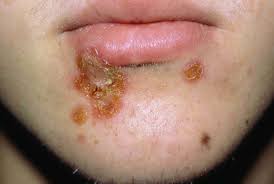
7. Skin Rashes or Sores:

Deworming signs and medications
Certain parasitic infections, such as hookworm or strongyloidiasis, can cause skin rashes, sores, or allergic reactions.
8. Visible Eggs or Larvae: In the case of certain parasitic infections, such as scabies or lice, you may be able to see the eggs or larvae on the skin or in clothing.
9. Anemia: Chronic parasitic infections, particularly those involving blood-sucking parasites like hookworms, can lead to iron-deficiency anemia, resulting in symptoms such as pale skin, fatigue, and shortness of breath.
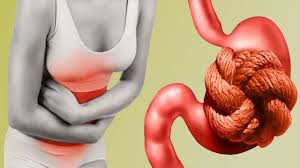
10. Digestive Issues:

Deworming signs and medications
Chronic digestive issues such as nausea, vomiting, diarrhea, or bloody stools could indicate a parasitic infection.
Summary
There are two types of deworming symptoms: indications of a worm infestation, which is the reason you take the prescription, and the adverse effects of the deworming drug itself. Usually mild, these symptoms go away in a few hours to a few days.