Urban areas
Difficulties Faced by Urban Residents

Difficulties faced by urban ressidents. Rapid population expansion and poor infrastructure pose serious problems for urban dwellers, such as acute housing shortages, overcrowding, and the spread of slums. Chronic traffic congestion, high living expenses, unemployment, poor sanitation, insufficient water supply, and environmental pollution (air, noise, and waste) are other major challenges.
DIFFICULTIES FACED BY URBAN RESIDENTS
Greater infrastructure and services, as well as a denser population, set urban areas apart from rural ones. The phrase refers to a variety of city-specific elements, such as architecture, culture, the economy, and social dynamics. Urban regions have many difficulties, from social and economic inequality to environmental and infrastructure problems. Typical urban problems consist of:
1. Traffic Congestion:
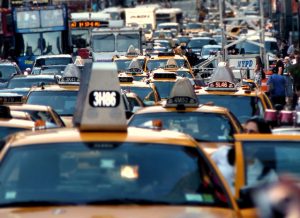

Rapid urbanization often leads to increased traffic, causing congestion and pollution. Solutions may involve better public transportation, cycling infrastructure, and urban planning strategies.
2. Housing Affordability:
Skyrocketing property prices in urban areas make housing unaffordable for many residents. Addressing this issue requires innovative approaches to affordable housing and sustainable urban development.
3. Environmental Pollution:
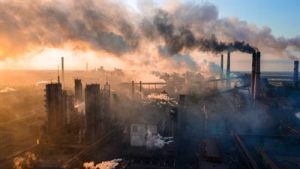

Urban areas often suffer from air and water pollution due to industrial activities, vehicular emissions, and waste disposal. Sustainable practices and green initiatives can mitigate these environmental concerns.
4. Infrastructure Strain:
Growing populations strain existing infrastructure, including transportation, water supply, and waste management systems. Investment in resilient infrastructure is crucial for sustainable urban development.
5. Social Inequality:
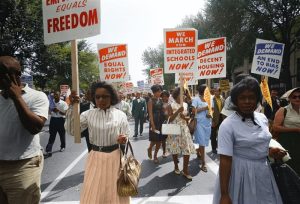

Urban areas can exacerbate social inequalities, with disparities in access to education, healthcare, and job opportunities. Socially inclusive urban planning and policies are essential to address these disparities.
6. Climate Change Resilience:
Cities are vulnerable to the impacts of climate change, such as rising sea levels and extreme weather events. Urban planning must incorporate strategies for climate resilience and adaptation.
7. Public Spaces:

DIFFICULTIES FACED BY URBAN RESIDENTS
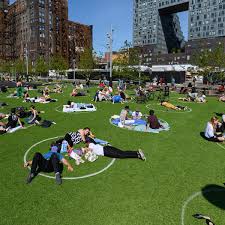
The design and management of public spaces significantly impact the quality of urban life. Creating accessible, well-maintained public spaces fosters community engagement and well-being.
8. Technology Integration:
While technology can enhance urban living, issues like digital inequality and data privacy must be addressed. Smart city initiatives should prioritize equitable access to technology and safeguard citizens’ privacy.
9. Public Health:


DIFFICULTIES FACED BY URBAN RESIDENTS
Urban areas can face health challenges due to pollution, inadequate healthcare access, and lifestyle factors. Designing cities with a focus on health-promoting features, like green spaces and walkability, is crucial.
10. Resilience to Disasters:
Urban areas need robust plans to deal with natural disasters or pandemics. Preparedness, early warning systems, and resilient infrastructure contribute to a city’s ability to recover from such events. Addressing these challenges requires a holistic approach, involving collaboration between governments, urban planners, communities, and various stakeholders to create sustainable and inclusive cities.
Summary
The fast, worldwide movement of people from rural to urban areas, which concentrates people in cities and changes land usage, is known as urbanization. Higher population density, infrastructure development, and, frequently, social problems like overcrowding and increasing crime are the outcomes of industrialization and economic opportunity.