accessories
Drapes and Upholstery Measurements

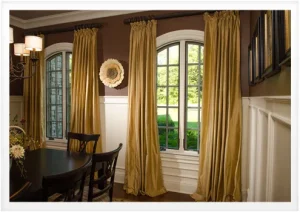

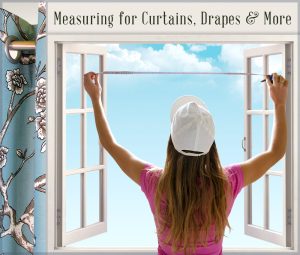
Drapes and upholstery measurements. Precise window and furniture sizing, adding fullness (1.5x-2.5x width for drapes), accounting for style (puddling/breaking), and taking pattern repeats into account for fabric quantity are all part of the measurements for draperies and upholstery. For complex projects, always consult a professional. General upholstery estimates are 1-1.5 yards for chair cushions or 6-8 yards for a small sofa. For draperies, it’s important to measure the hardware width and height (rod to floor/sill). For upholstery, it’s important to check pattern alignment, add hem/puddle allowance, and use the width x fullness ratio for width.
DRAPES AND UPHOLSTERY MEASUREMENTS
dimensions for upholstery include the width, height, and depth of each piece of furniture (seat, armrests, back, and skirts), plus additional dimensions for seams, piping, and pattern matching (such as 3–6 inches per edge or more for big repeats). Important procedures include measuring each section separately, taking curves into consideration, eliminating cushions, and adding a safety margin (typically 10–20%) to standard yardage estimates (e.g., 12–18 yards for a sofa, 6–9 yards for an armchair) to cover potential errors or pattern matching, particularly for large or patterned fabrics.
How Much Fabric is Needed?

DRAPES AND UPHOLSTERY MEASUREMENTS
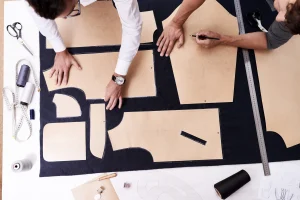
Start an upholstery project, run out of fabric, more of the exact same fabric, there are few things worse than that. For this reason, it is essential to be able to anticipate how much material you will require. There are a few fundamental guidelines to go by, though there will be a lot of variety based on the kind of furniture you are covering:

DRAPES AND UPHOLSTERY MEASUREMENTS
1.Measure each cushion’s length and width starting at the seam and working your way outward. Make sure you measure the side panels as well, and remember to give one inch for seam allowances. Covering one sofa cushion typically requires two yards of cloth.
2.Proceed to measure the sofa’s back from seam to seam. Once more, add one inch to the length and breadth of the couch for seam allowances. Take measurements of the sofa’s front width and length.

DRAPES AND UPHOLSTERY MEASUREMENTS
3.After that, measure the seating area’s exterior and inside after removing the cushions.
4.To calculate the yardage, take your figures and divide them by 3
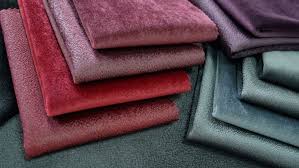
5.Remember that upholstery fabric typically measures 54 inches in width.
Calculate The Amount Of Fabric;
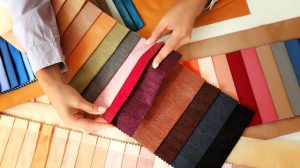

Will Need The method for calculating fabric yardage for sofas and chairs is similar. Measure the piece’s length and width first. Measure the sides, back, and front, and don’t forget to account for seam allowances by adding one inch. After that, measure the frame, taking into consideration any places that have cloth covering them. Determine the overall length and width of the couch.
Summary
The width (rod length x fullness ratio, typically 2x for rich effect) and length (from rod to desired floor-kiss or puddle, frequently 1/2 inch above floor or more for pooling) of curtains are measured. Measuring rod width, selecting coverage (extending past window), selecting fullness (e.g., 2x), measuring rod to floor for the drop, and taking header type (grommet vs. pleat) into consideration for final length are important procedures.