Uncategorized
Early Signs Liver Disease

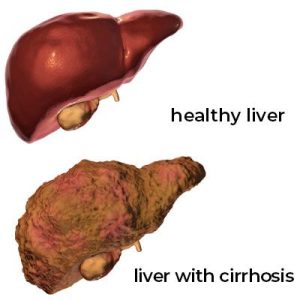

Early signs of liver disease. Liver illnesses are major health issues that, if left untreated, can result in potentially fatal complications. People can safeguard their liver health by being aware of the reasons, identifying the symptoms, and taking preventative action. For an accurate assessment and course of treatment, it is crucial to speak with a healthcare professional if you exhibit signs of liver illnesses or have risk factors. Early intervention can frequently improve long-term results and stop liver disorders from progressing.
EARLY SIGNS OF LIVER DISEASE
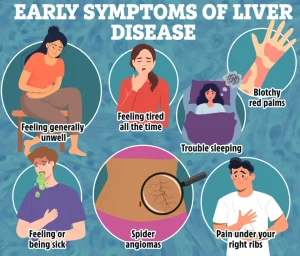
As the condition develops, you may experience jaundice (yellow skin/eyes), dark urine, pale feces, easy bruising, and itchy skin, all of which are indicators of toxins building up. Initial symptoms of a poor liver frequently include vague symptoms like persistent fatigue, nausea, loss of appetite, and upper right abdomen discomfort. Recognizing these modest changes is essential for prompt medical intervention because early liver illness may have little or no symptoms.
Causes;

EARLY SIGNS OF LIVER DISEASE
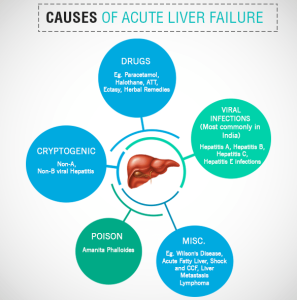
1. Hepatitis: Hepatitis A, B, and C are viral infections that cause inflammation of the liver. Hepatitis B and C, in particular, can lead to chronic liver disease and increase the risk of liver cancer.
2. Alcohol Abuse: Long-term excessive alcohol consumption is a leading cause of liver disease, particularly alcoholic hepatitis and cirrhosis, where the liver becomes scarred and damaged.
3. Non-Alcoholic Fatty Liver Disease (NAFLD): NAFLD is a condition where fat accumulates in the liver, often due to obesity, diabetes, or high cholesterol. It can progress to non-alcoholic steatohepatitis (NASH), which can cause liver inflammation and damage.
Symptoms;

EARLY SIGNS OF LIVER DISEASE
– Jaundice: Yellowing of the skin and eyes due to the buildup of bilirubin, a waste product processed by the liver.
– Dark Urine and Pale Stools: Changes in the color of urine and stools may indicate liver dysfunction.
– Easy Bruising and Bleeding: As the liver’s ability to produce clotting factors declines, bruising and bleeding can occur more easily.
Treatment;

EARLY SIGNS OF LIVER DISEASE
Treatment for liver disease depends on the underlying cause and the extent of liver damage. Key approaches include:
1. Lifestyle Changes: For conditions like NAFLD, weight loss, a healthy diet, and regular exercise are essential. Reducing alcohol intake is crucial for those with alcohol-related liver disease.
2. Medications: Antiviral medications can treat hepatitis B and C, while other drugs may be used to manage symptoms or slow the progression of liver diseases.
3. Monitoring and Regular Check-Ups: Ongoing monitoring of liver function through blood tests and imaging studies is important to assess the disease’s progression and adjust treatment as needed.
Prevention;

Preventing liver disease involves making healthy lifestyle choices and taking precautions to avoid known risk factors:
Drinking alcohol in moderation or abstaining altogether can significantly reduce the risk of liver damage.
A balanced diet and regular physical activity can help prevent obesity and related liver conditions, such as NAFLD.
3. Get Vaccinated:
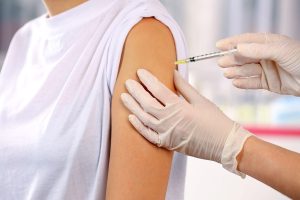

Vaccination against hepatitis A and B can protect against these viral infections, reducing the risk of liver disease.
4. Practice Safe Behaviors:
Avoid sharing needles, and practice safe sex to reduce the risk of hepatitis infections. Also, use protective equipment when handling chemicals or toxins.
Summary
One of the body’s most important organs, the liver helps with digestion, produces bile, filters pollutants from the blood, and processes nutrients. A wide range of disorders that affect the liver’s ability to operate and may result in major health issues are collectively referred to as liver disease. Maintaining liver health requires knowing the causes of liver disease, identifying its symptoms, and getting treatment as soon as possible.