Heart health
Electrocardiogram and Heart



ELECTROCARDIOGRAM AND HEART
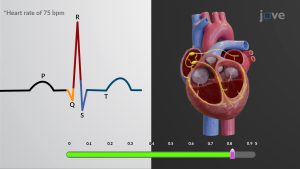
By detecting signals from electrodes applied to your skin, an electrocardiogram (ECG or EKG) is a quick, painless test that records your heart’s electrical activity and displays its rate and rhythm. It can be used to diagnose arrhythmias, heart attacks, coronary artery blockages, and pacemaker malfunctions. With patterns like P waves (atrial activity), QRS complexes (ventricular activity), and T waves (ventricular recovery), it is an essential tool for evaluating heart health.

Electrocardiogram and Heart
Although, an Electrocardiogram (ECG) is a medical test that measures the electrical activity of the heart. It’s a crucial tool in diagnosing various heart conditions and monitoring heart health. The heart generates electrical impulses that regulate its beats, and an ECG records these impulses as they travel through the heart muscle.
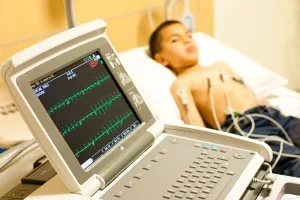
The test involves placing electrodes on the skin at specific points on the chest, arms, and legs. These electrodes detect the electrical signals produced by the heart and transmit them to a machine, which then records the data as a series of waves on a graph. Each wave corresponds to different phases of the heart’s activity, such as the contraction of the atria and ventricles.
Electrocardiogram (ECG) Explained;

Electrocardiogram and Heart
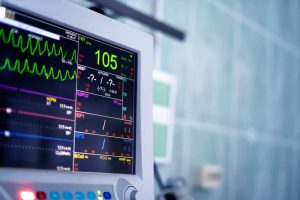
However, healthcare providers use Electrocardiogram (ECG) to detect abnormal heart rhythms (arrhythmias), assess the heart’s overall function, and identify issues like heart attacks or electrolyte imbalances. The test is non-invasive, painless, and typically takes only a few minutes to perform.

Electrocardiogram and Heart
Also, there are different types of ECGs, including resting ECGs, stress tests, and Holter monitoring, which is a 24-hour continuous recording. While a standard Electrocardiogram (ECG) provides a snapshot of the heart’s activity at a specific moment, more extended monitoring may be required to capture irregularities that do not occur consistently.
Summary
In conclusion, an ECG is a crucial diagnostic tool in cardiology, offering crucial information about heart health and directing therapeutic choices.