Environmental pollution
Environment and pollutions

Environment and pollutions. Environmental contaminants are foreign materials that contaminate soil, water, and air, upsetting ecological equilibrium and endangering human health. They are mostly categorized as either natural events like volcanic ash and desert dust, or man-made (anthropogenic) emissions from factories, automobiles, and agriculture.
ENVIRONMENT AND POLLUTIONS
Environmental pollution is the term used to describe any undesired substance that is introduced into the environment as a result of human activities that negatively impacts the ecology and environment. Sewage water seeping into pure water sources like rivers, tanks, etc. is one example of water contamination.
What are Pollutants?
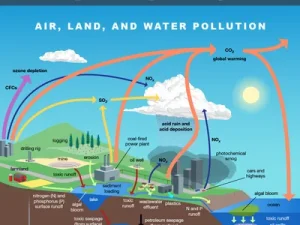

Pollutants are the various substances that contaminate the environment. Chemicals, biological materials, and physical objects that unintentionally enter the environment and endanger humans and other living things directly or indirectly are all considered pollutants.
Classification of the Pollution;
Primary Pollutants
They endure in the form that they are introduced to the environment, such as plastic and DDT.
Secondary Pollutants:

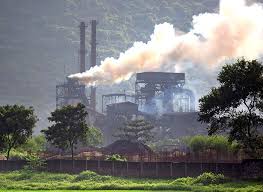
Environment and pollutions
Created by the primary pollutants interacting, such as when nitrogen oxides and hydrocarbons combine to form peroxyacetyl nitrate, or PAN.
Natural
Natural occurrences like volcanic eruptions, forest fires, grass fires, etc. emit these toxins.
Anthropogenic
These pollutants are emitted during human activity, such burning fossil fuels and producing CO2.
Effects of Environmental Pollution;

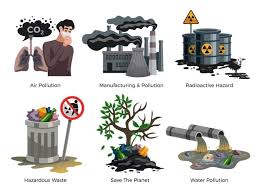
Environment and pollutions
The very elements that sustain life on Earth, such as the water and air we drink, to a greater extent, the ecosystems we depend on, are all impacted by pollution. it therefore presents a risk to earthly life. One of the biggest threats to human and other living things health is pollution. Even while it has an impact on society as a whole, it disproportionately impacts vulnerable groups including the impoverished, women, and children. Additional socio economic effects of pollution include forced migration brought on by water crises, reduced agricultural yield, and food insecurity.
Causes of Environmental Pollution;
The swift rise in human population has led to a multiplicity of anthropogenic activities. The majority of these activities alter the environment in a way that is undesirable.
Summary
Rapid urbanization has led to an increase in building activity recently. As a result, there are several ways in which this is causing environmental contamination, such as the production of waste and the release of dust into the atmosphere.