Health
Epilepsy Management Tips

Epilepsy Management Tips. Recurrent, spontaneous seizures are the hallmark of epilepsy, a neurological condition. These seizures are caused by abrupt spikes in brain activity that interfere with normal nerve cell transmission. One of the most prevalent neurological disorders, epilepsy affects people of all ages and affects about 50 million people globally.
EPILEPSY MANAGEMENT TIPS
It might have a wide range of causes. Certain forms of epilepsy run in families, and the condition is sometimes associated with hereditary factors. Brain traumas, strokes, infections like encephalitis or meningitis, and developmental problems like autism are additional possible causes. However, the cause of epilepsy is still unknown in almost half of all instances.
Causes and Risk Factors;
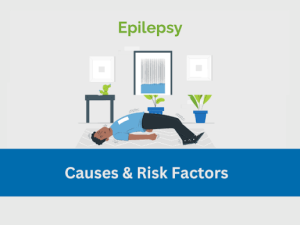

Certain risk factors increase the likelihood of developing epilepsy, including age (children and older adults are more susceptible), a family history of the condition, previous brain injuries or infections, and underlying neurological conditions.
Types of Seizures;
Seizures are the hallmark of epilepsy, and they can vary significantly in severity and presentation. There are two main categories of seizures:
1. Focal Seizures: These begin in one specific area of the brain and can be further classified into focal aware seizures (where the person remains conscious) and focal impaired awareness seizures (where consciousness is altered).
2. Generalized Seizures:
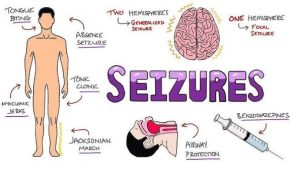

These involve the entire brain and include several subtypes, such as tonic-clonic seizures (formerly known as grand mal seizures), absence seizures, and myoclonic seizures.
Symptoms of seizures can range from brief lapses in attention or muscle jerks to severe convulsions and loss of consciousness. The type and frequency of seizures vary from person to person, making epilepsy a highly individualized condition.
Diagnosis and Treatment;
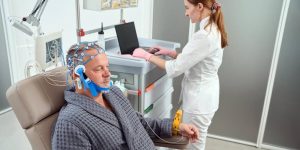
Diagnosing epilepsy typically involves a thorough medical history, neurological exams, and tests like electroencephalograms (EEGs) to measure brain activity during seizures. Imaging tests, such as MRIs or CT scans, may also be used to identify structural abnormalities in the brain.

Epilepsy Management Tips
While epilepsy cannot be cured, it can often be managed effectively with medication. Anti-seizure drugs, also known as antiepileptic drugs (AEDs), are the most common treatment and can help control seizures in most people. In cases where medication is not effective, other treatment options may include surgery, vagus nerve stimulation, or dietary therapies like the ketogenic diet.
Living with Epilepsy;


Epilepsy Management Tips
Living with epilepsy can present challenges, but many people with the condition lead full, active lives. Managing epilepsy often involves lifestyle adjustments, such as adhering to medication schedules, getting adequate sleep, managing stress, and avoiding known seizure triggers. Support from healthcare providers, family, and epilepsy support groups can also be crucial in helping individuals cope with the emotional and social aspects of the disorder.
Summary
Future developments in genetics, neuroimaging, and personalized medicine are opening the door to more focused and efficient therapies. As our knowledge of epilepsies expands, there is hope that new treatments will be developed, providing better seizure control and an enhanced quality of life for individuals with this complicated condition.